

Vintage English Country Landscape
These vintage english country landscape works capture rural life, quiet fields and historic villages through the brush of regional artists.
Vintage English Country Landscape
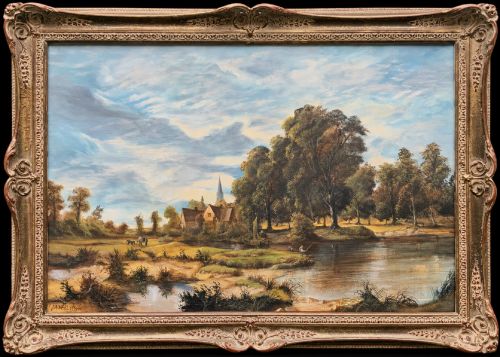
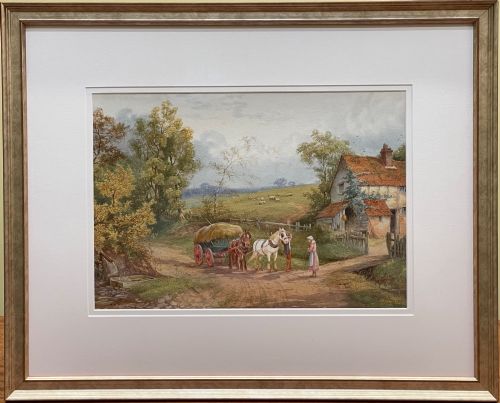
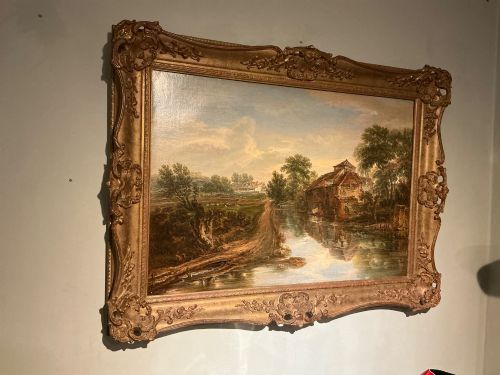
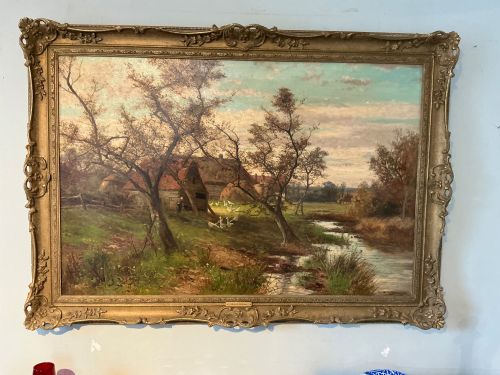
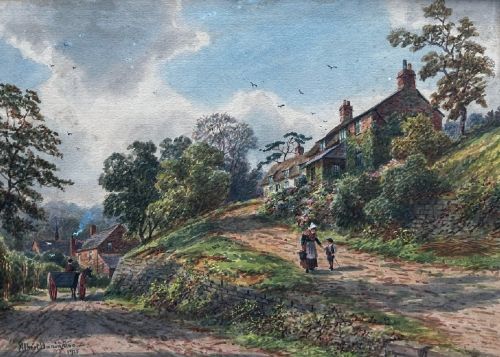
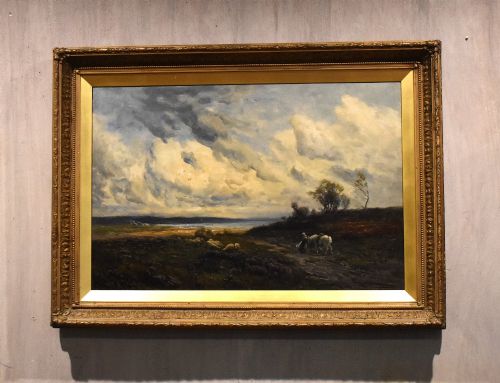
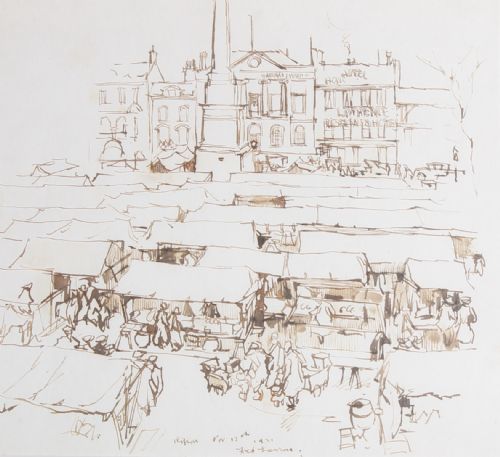
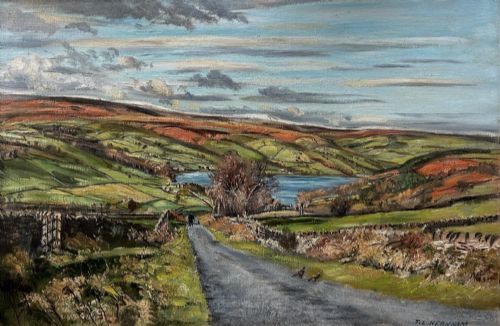
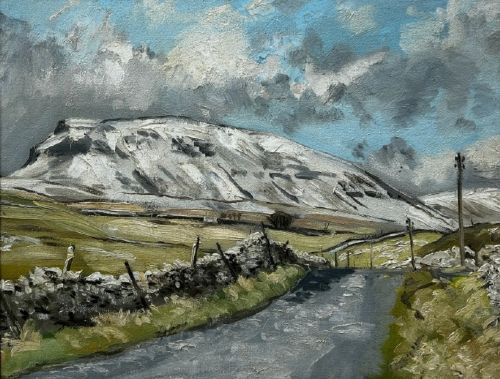
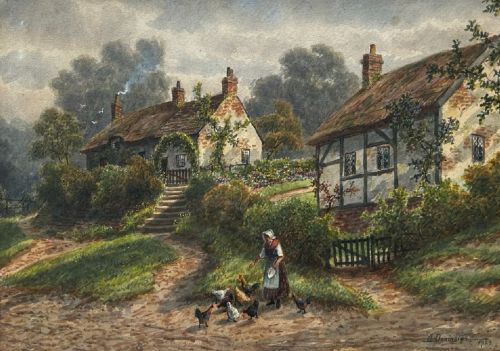
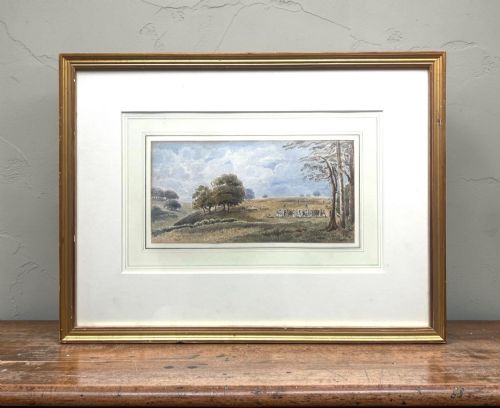
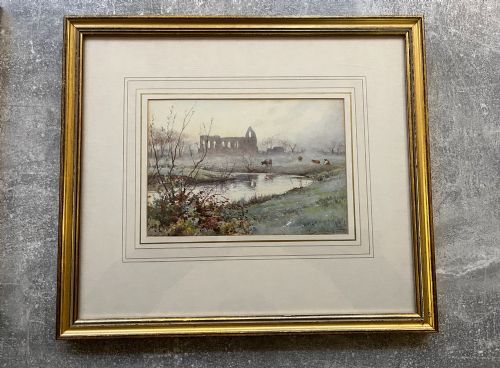
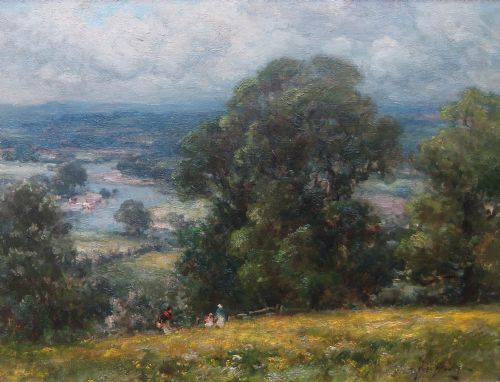
A vintage english country landscape brings the topography of rural Britain directly to the wall through traditional framed artworks. Buyers encounter pastoral scenes ranging from open Yorkshire dales and Berkshire rivers to cottage doorways and quiet country lanes.
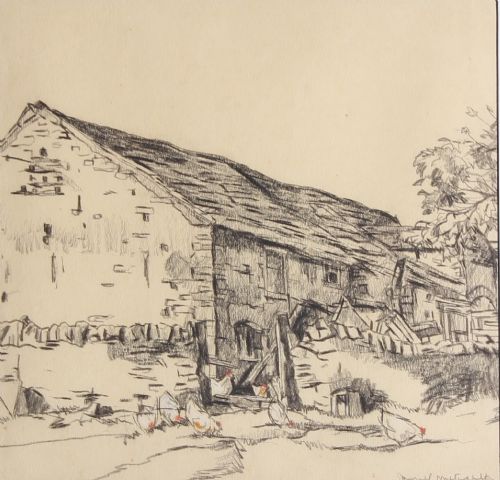
The selection spans multiple decades and centuries, crossing Georgian, Victorian, Edwardian and mid-century periods. Watercolours, oil paintings on canvas and pastel drawings on paper dominate the selection.
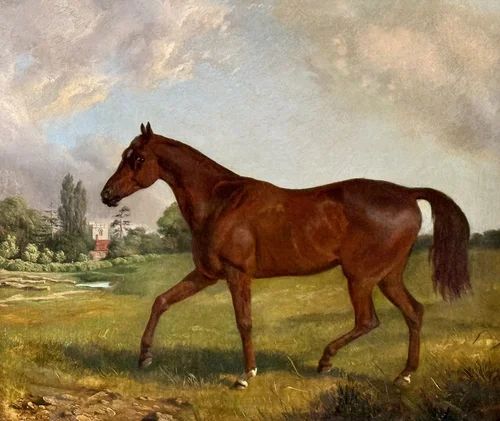
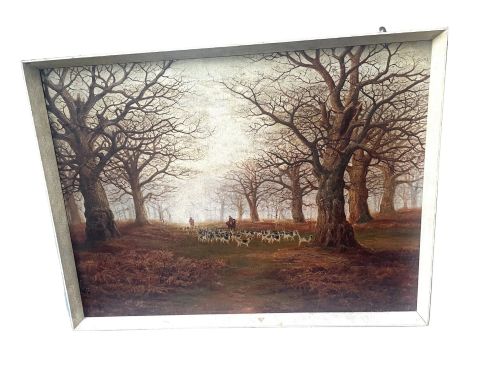
Rural traditions appear repeatedly alongside scenery, including agricultural labour, equestrian studies, shooting scenes and village life. These paintings reflect local topography and vernacular architecture across English counties.
Materials and Techniques
Artists utilise oil paint applied to canvas or wood panels, alongside watercolours and pastels worked on thick paper. These traditional media allow for nuanced blending of natural light across skies and fields.
Gilt wood frames often enclose the artwork, protecting the paper or canvas while providing an architectural border suited to period interiors.
Vintage English Country Landscape Retail Price Guide 2026
Typical asking prices for vintage english country landscape among the pieces listed under this phrase on Sellingantiques today, from the lower quarter to the upper quarter. They describe what is for sale here now, not the wider market.
Listings feature works spanning from the 18th century through the Victorian era and into mid-century British modernism.
Markers of Quality
Depth of composition and sureness of line separate accomplished regional artists from amateur works. The handling of natural light and atmospheric perspective determines the visual impact of a landscape.
The survival of original framing and clear artist signatures provide additional context and provenance for collectors navigating period works.
Thomas Leslie Kerkham·Albert Dunington·Percy Robertson·Owen Bowen·Benjamin Barker Of Bath·Edward Robert Smythe·George Cole·George Hamilton Constantine·Terence Cuneo·Yeend King·George Hughes·David Woodlock·Cecil Charles Windsor Aldin·Angus Rands·George F Bird·Walter Robin Jennings·Edmund Bristow·William Woollett·George Stubbs·Edward Charles Williams·William Shayer·William Taylor Longmire·A Marie Parsons
The Vintage English Country Landscape Glossary
- Watercolour
- A paint consisting of pigment suspended in a water-based solution, typically applied to paper to achieve translucent effects.
- Canvas
- A heavy woven fabric used as a surface for oil painting, stretched over a wooden frame.
- Gilt wood
- Wood coated with a thin layer of gold leaf or gold paint, frequently used for traditional picture frames.
- Pastel
- A medium in the form of a stick, consisting of powdered pigment and a binder, used for drawing on paper.
Vintage English Country Landscape: Frequently Asked Questions
How do I hang a vintage landscape?
Hang these works at eye level away from direct sunlight to protect pigments and paper from fading over time. Secure the frame using appropriate wall fixings suited to the weight of the wood and glass.
Pair traditional frames with neutral wall colours to let the rural scenery stand out within a modern or period room.
How can I tell the period of a painting?
Examine the materials, stretcher bars, framing style and artist signatures recorded in the listing details. Victorian works often feature heavier gilt frames and darker varnishes compared to brighter mid-century palettes.
Cross-reference the artist's active years if a signature is present on the canvas or paper.
What subjects are common in these paintings?
Common subjects include pastoral river valleys, agricultural fields during plough time, thatched cottages and rural livestock. Sporting scenes featuring hunting dogs, horses and rural folk conversing also appear frequently.
These motifs reflect traditional British country life across different regional counties.
How do I care for antique watercolours?
Keep watercolours behind glass and out of humid environments to prevent foxing and paper degradation. Acid-free mounts help separate the delicate paper surface from the protective glass.
Inspect the backing boards periodically to ensure dust and moisture do not reach the paper.