
Framed Baroque Portrait
A framed baroque portrait brings the grand presence of seventeenth and eighteenth-century sitters into a room through oil paint and print.
Framed Baroque Portrait
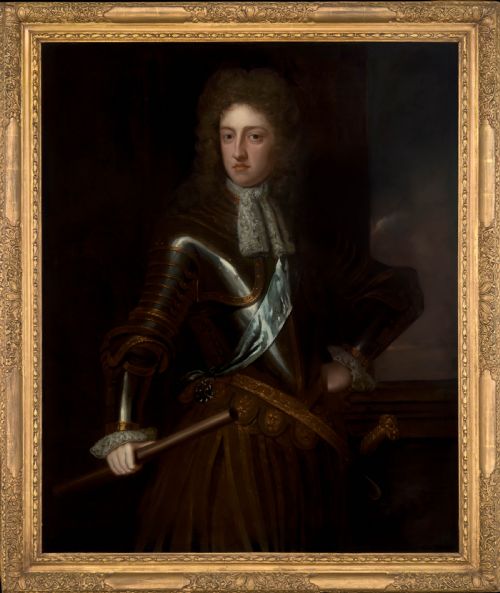
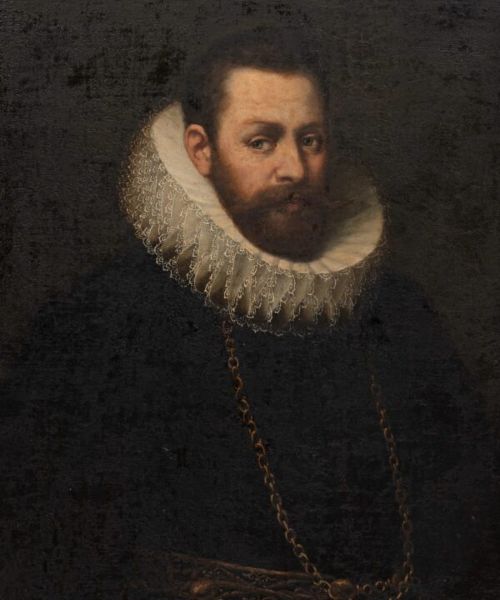
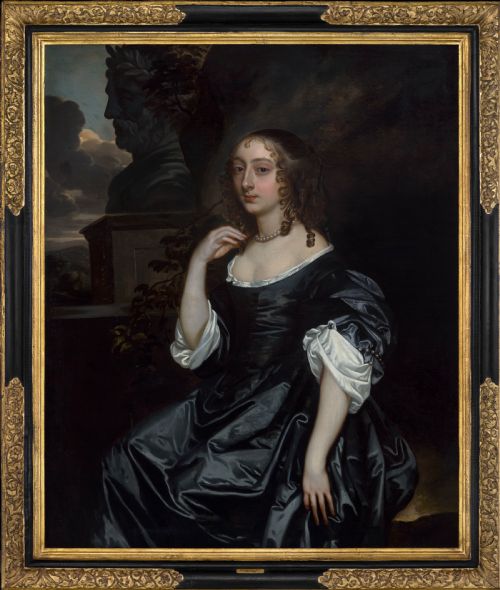
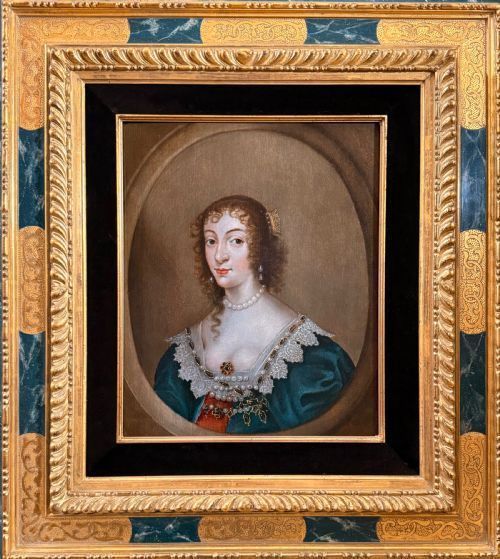
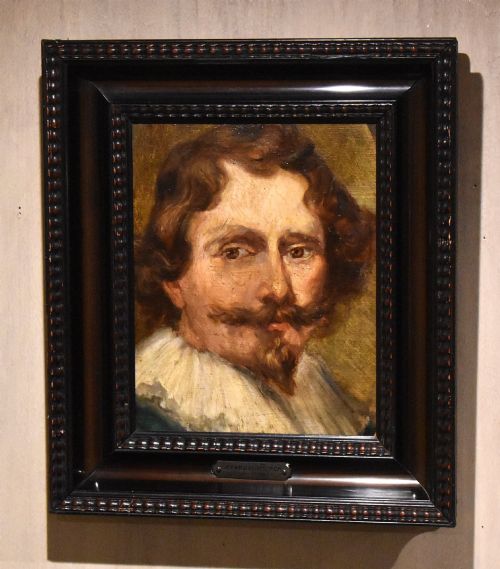
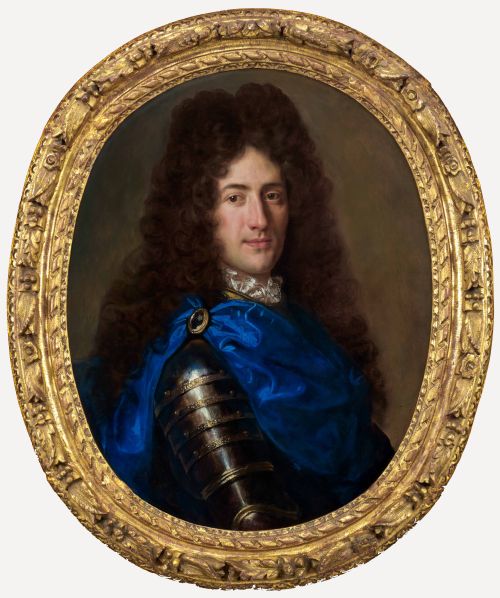
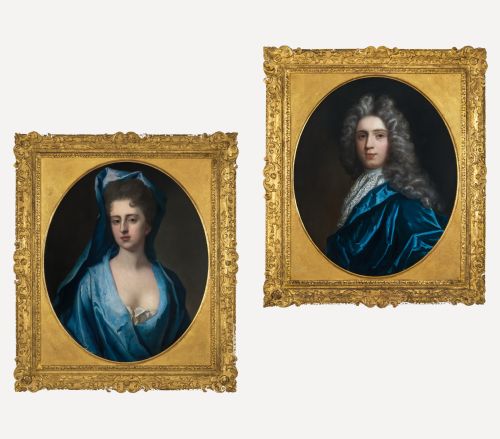
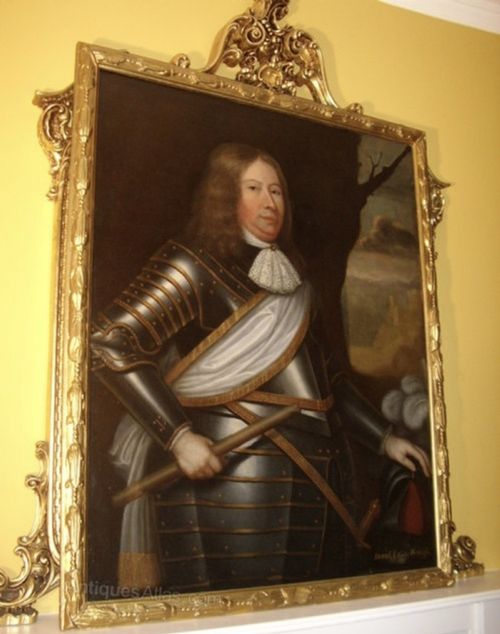
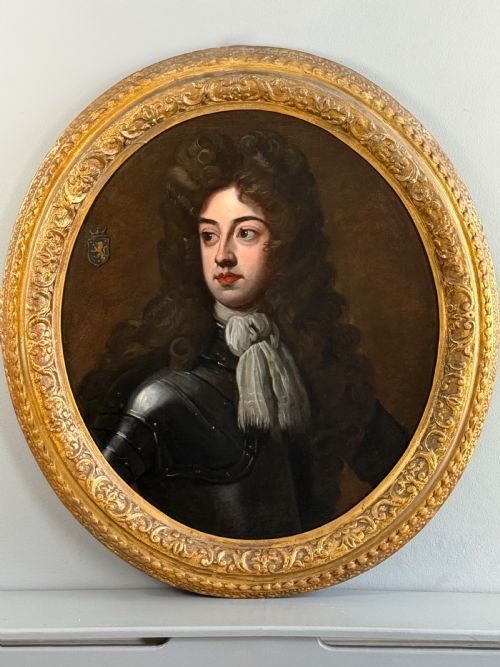
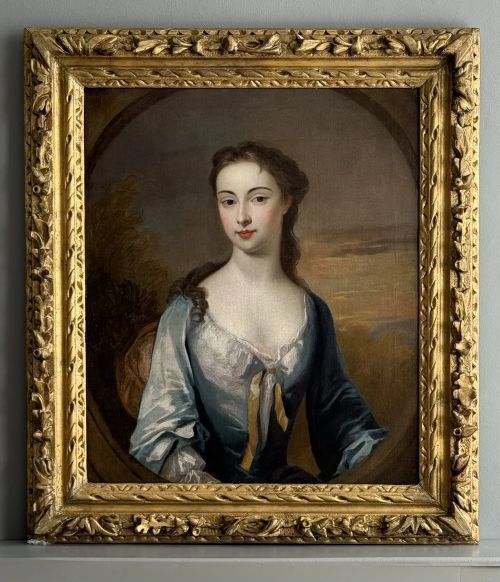
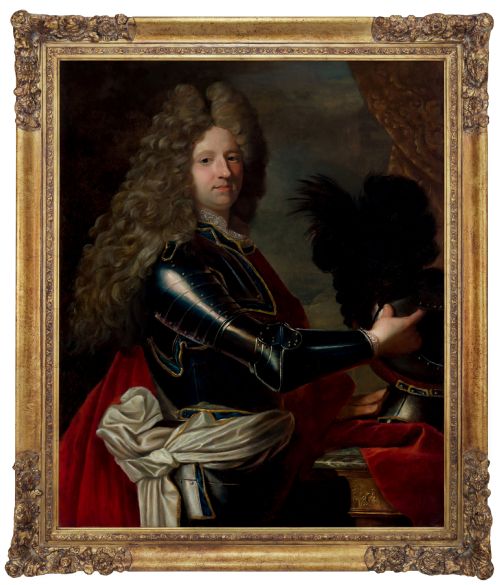
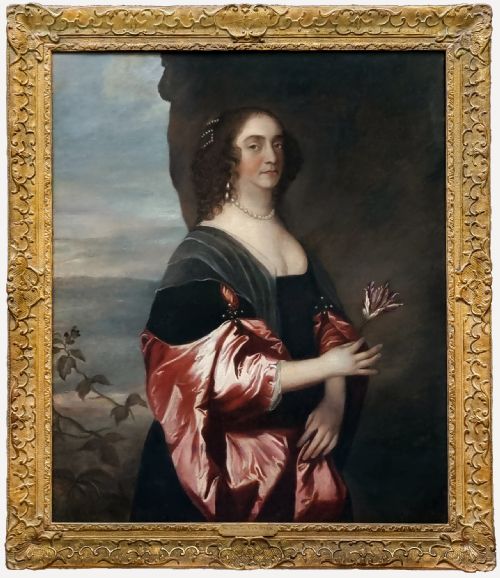
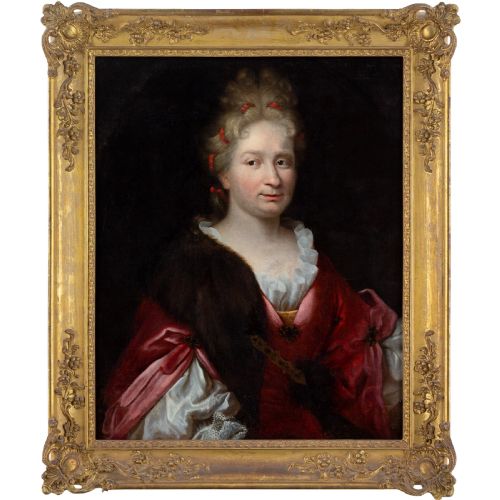
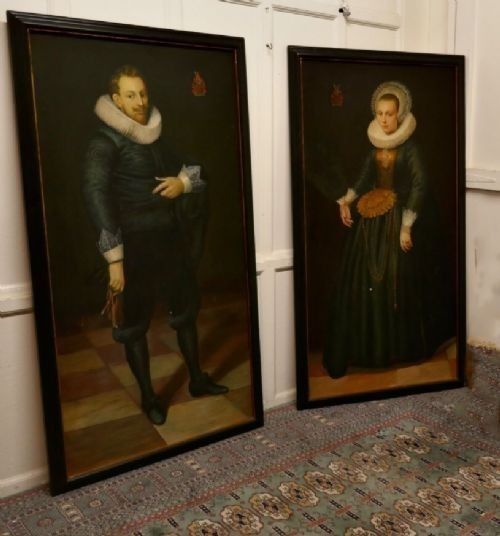
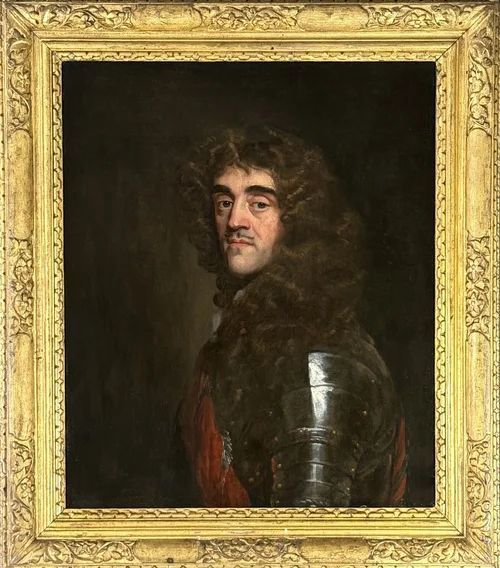
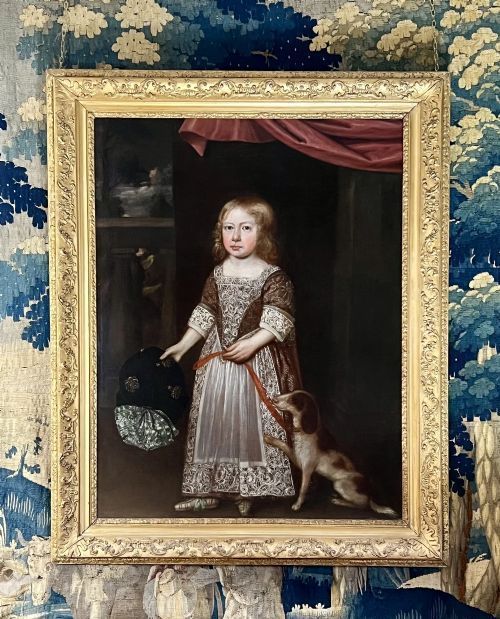
A framed baroque portrait depicts nobility, officers, judges and gentlewomen from the seventeenth and eighteenth centuries, captured during the height of European portraiture.
Buyers searching for a framed baroque portrait encounter original oil paintings on canvas alongside period mezzotint prints issued after famous masters.
The selection spans British, Dutch, French, and Italian schools, showing sitters in elaborate drapery, armour or flowing periwigs.
Materials and construction
Paintings utilise oil on canvas or panel, built up with rich glazes to render velvet, lace and flesh tones.
Prints are executed as copperplate mezzotints on paper, capturing tonal gradations through finely textured ink work.
Surviving pieces are set within heavy wooden frames, frequently finished in gold leaf or giltwood.
Listings feature oil on canvas, wood, giltwood, paper, gold leaf, and glass across seventeenth and eighteenth-century periods.
Evaluating the execution
Quality rests in the handling of the sitter's expression, the depth of the drapery folds, and the vitality preserved in the brushwork.
Studio productions and later follower pieces vary from the confident hand of a named master or an immediate contemporary circle.
Sir Godfrey Kneller·Michael Dahl·Sir Peter Lely·John Smith·Sir Anthony van Dyck
The Framed Baroque Portrait Glossary
- Mezzotint
- A printmaking process where the copper plate is roughened to achieve rich dark tones and subtle gradients. It became the primary method for reproducing grand oil paintings in monochrome.
- Periwig
- A voluminous horsehair or human hair wig worn by men of status from the late seventeenth century onwards. Its grand scale defined elite male fashion in court portraiture.
- Giltwood
- Timber carved and coated with thin layers of gold leaf or gold paint. Frames treated this way provide the reflective, ornate border typical of the period.
- Glaze
- A thin, transparent layer of oil paint laid over an opaque underlayer to deepen shadows and impart luminosity. Master painters used multiple glazes to render glowing skin and rich textiles.
Framed Baroque Portrait: Frequently Asked Questions
How do I care for an antique oil portrait?
Keep the canvas away from direct sunlight and steady the room humidity to prevent the wood stretcher and canvas from warping.
Dust the surface gently with a dry, soft brush and avoid using any liquid cleaners on the paint film.
What is the difference between an oil and a mezzotint?
An oil painting is a unique hand-painted work using pigments suspended in oil on canvas or panel.
A mezzotint is an ink print on paper created from an engraved metal plate to replicate painted portraits for wider distribution.
How can I tell the period of the frame?
Period frames are constructed from heavy timber with hand-carved decorative motifs and applied gesso finished in gold leaf.
Examining the corner joins and the backboards reveals the age of the woodwork supporting the artwork.
Where were these portraits originally displayed?
These works hung in the panelled galleries, drawing rooms, and staircases of country houses and town mansions.
They served to project lineage, political allegiance, and social standing to visitors and family members.