





Framed Asian Textile Art
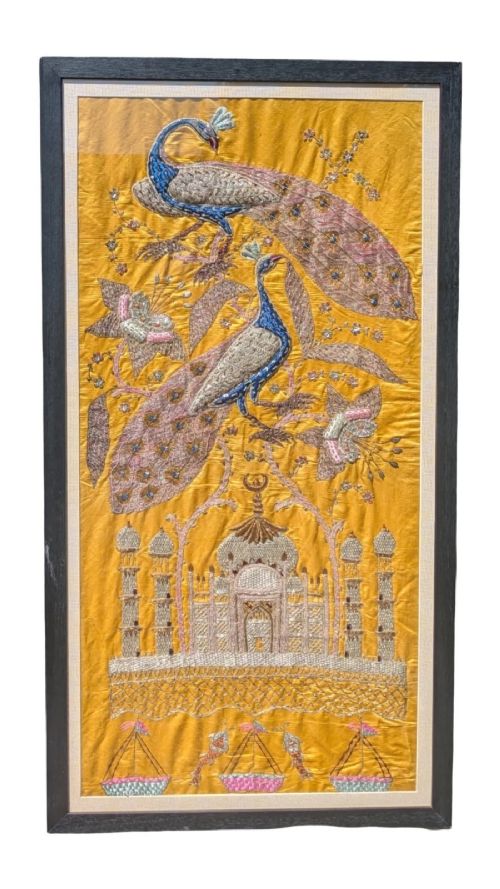
Framed Asian textile art brings together centuries of hand-sewn silk, embroidered panels and woven wall hangings ready to mount.
Framed Asian Textile Art
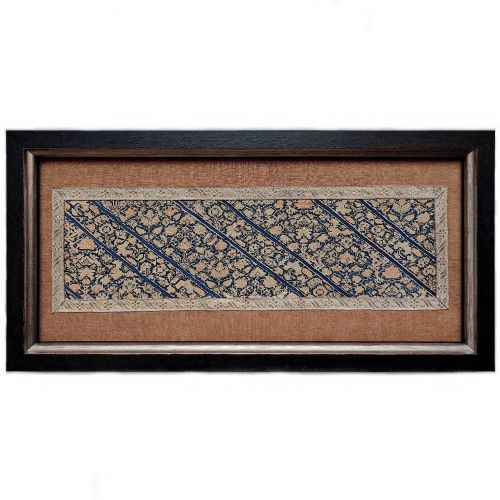
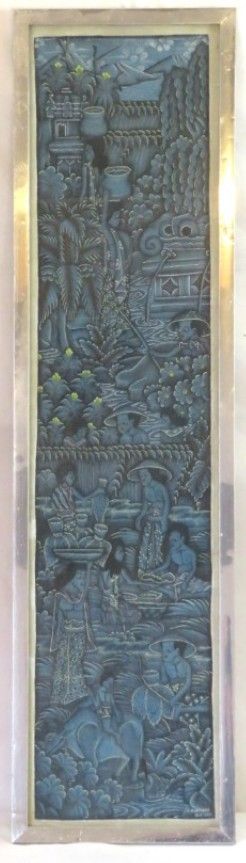
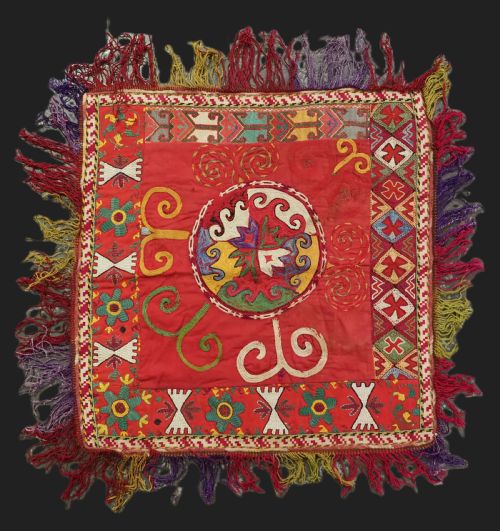
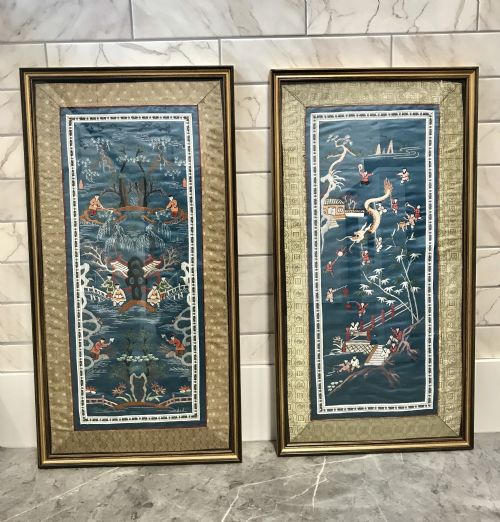
Framed asian textile art encompasses a diverse range of fabric pieces, from Chinese silk embroideries under glass to Balinese paintings on textile and Uzbek dowry hangings. Buyers searching this phrase encounter wall art spanning from the eighteenth century to the mid-twentieth century.
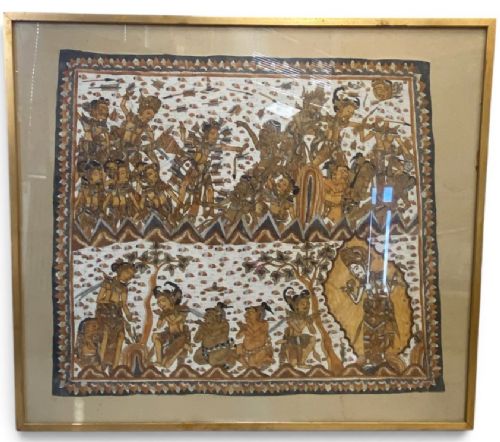
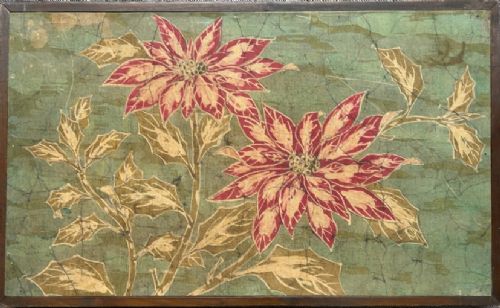
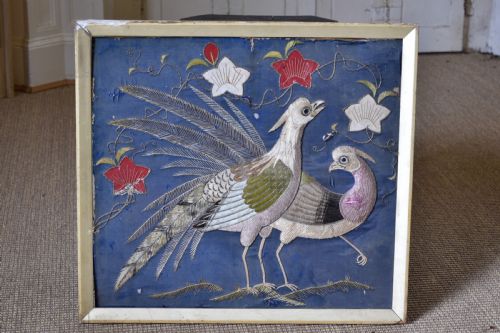
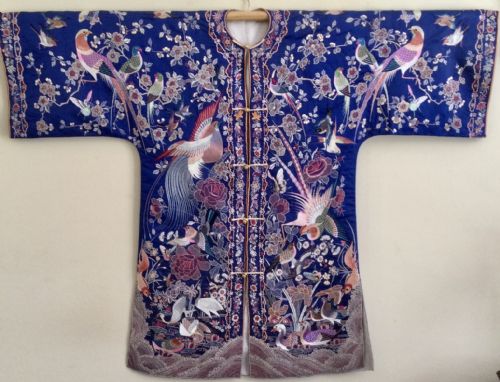
Originating from regions including China, Japan, India, Bali and Central Asia, these works showcase distinct regional aesthetics. Pieces range from large figural compositions to botanical studies like poinsettia floral framed panels and pheasant embroidery.
Factors determining quality
Quality rests in the precision of the needlework and the complexity of the composition, such as multi-register narrative scenes with figures and deities. Finer examples display meticulous control over silk threads and metallic embellishments.
The preservation of the textile ground and the clarity of painted or embroidered details distinguish superior panels. Intact framing under glass also contributes to the longevity and display condition of these historic works.
Framed Asian Textile Art Retail Price Guide 2026
Typical asking prices for framed asian textile art among the pieces listed under this phrase on Sellingantiques today, from the lower quarter to the upper quarter. They describe what is for sale here now, not the wider market.
Listings incorporate items spanning from the eighteenth century to the mid-twentieth century, utilising silk, cotton, metallic thread and watercolour on fabric.
The Framed Asian Textile Art Glossary
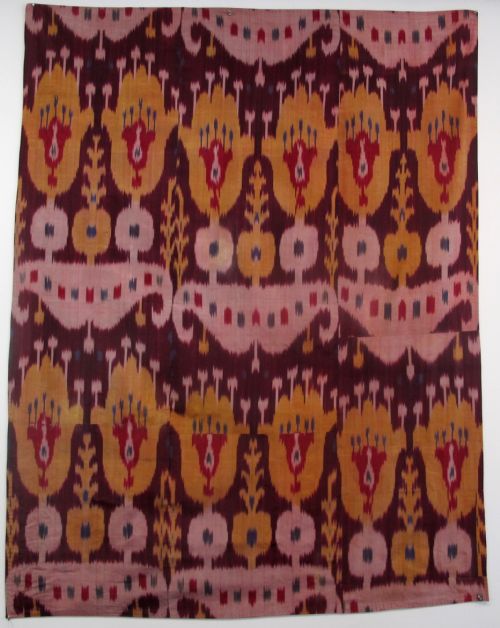
- Ikat
- A dyeing technique where yarns are pattern-dyed before weaving. This creates characteristic hazy pattern edges found in Central Asian panels.
- Embroidery
- The craft of decorating fabric using a needle to apply thread or yarn. Historic examples often utilise silk and metallic threads.
- Kamasan
- A traditional classical painting style from Bali. These works frequently depict mythological narratives and figures in registers.
- Mafrash
- A type of storage bag or panel originating from nomadic or tribal groups in Central Asia. Fragments are often repurposed as wall art.
Framed Asian Textile Art: Frequently Asked Questions
How should I hang these textiles?
Most pieces arrive framed or mounted under glass, allowing for direct wall hanging using standard picture hooks.
Ensure placement avoids direct sunlight to protect delicate silk threads and natural dyes from fading over time.
Are these pieces hand sewn?
The selection includes traditional hand-sewn embroideries alongside painted textiles and woven ikat panels.
Needlework pieces demonstrate individual artisan execution through varied stitch placement and thread density.
What periods do these artworks cover?
The inventory spans from the eighteenth century through to the mid-twentieth century.
Earlier pieces include eighteenth-century tribal fragments, while nineteenth and twentieth-century works feature Chinese embroideries and mid-century batik panels.
Can I find matching pairs here?
Certain listings comprise pairs of embroidered panels depicting subjects like garden birds and mandarin ducks.
These coordinated pieces share matching dimensions, subject matter and period characteristics suitable for balanced interior display.