

Framed Art Deco Art
Framed art deco art comprises striking wall pieces and pictures capturing the geometric elegance and streamline forms of the interwar period.
Framed Art Deco Art
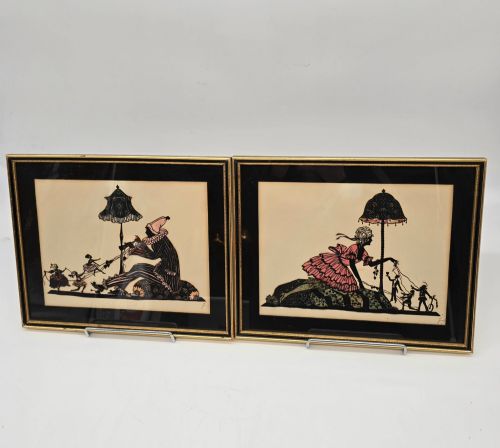
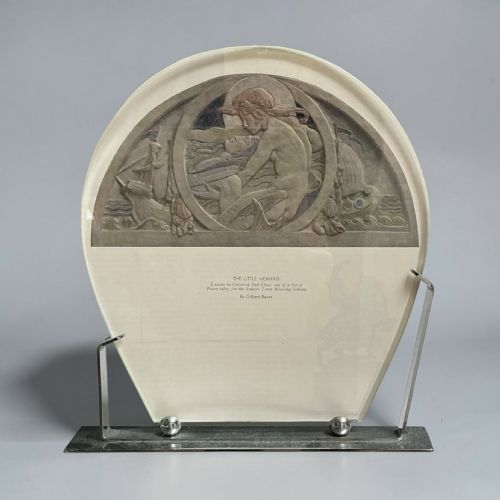
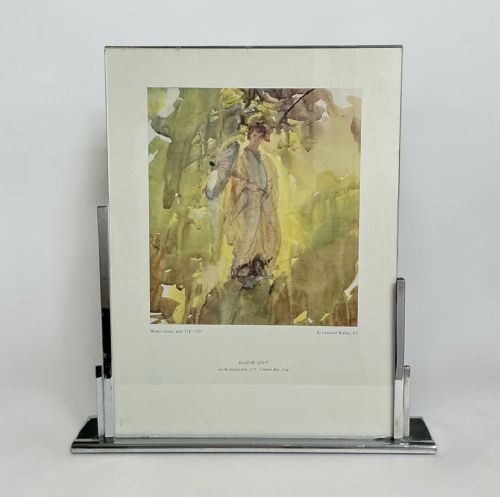
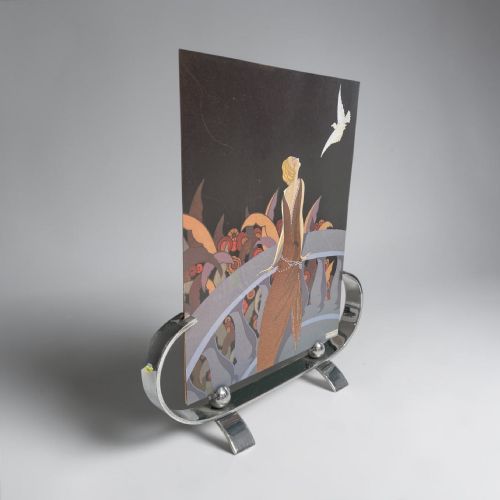
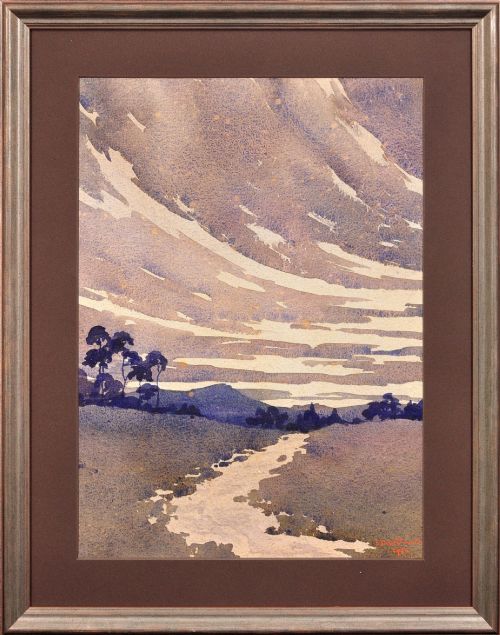
When buyers search for framed art deco art, they encounter a diverse selection of period wall decor, ranging from hand-coloured etchings to vintage railway posters and original portrait paintings. These pieces bring the distinctive visual rhythm of the twentieth century into domestic interiors through graphic compositions and stylised portraiture.
The pieces on this page span several decades, with items originating from the 1920s and 1930s predominating alongside occasional works from neighbouring periods. Buyers find framed illustrations, gouache drawings, and photographic contact sheets that reflect the eclectic tastes of interwar European and English design.
Materials and Construction
Artisans and artists of the period utilised a variety of mediums, combining paper, glass, and wood to create durable and visually engaging framed works. Gouache, pencil, and oil paints appear frequently on paper and canvas supports, often preserved behind protective glass.
Framing materials reflect the refined cabinet-making standards of the era, incorporating rich timbers like walnut and oak alongside painted finishes. These surrounds complement the graphic qualities of the artwork they enclose, maintaining the period aesthetic through careful selection of mouldings and mounts.
Framed Art Deco Art Retail Price Guide 2026
Typical asking prices for framed art deco art among the pieces listed under this phrase on Sellingantiques today, from the lower quarter to the upper quarter. They describe what is for sale here now, not the wider market.
Current listings feature framed works on paper, oil paintings, and photographic prints spanning the 1910s to the 1950s.
Assessing Quality and Execution
The calibre of a piece rests largely on the dexterity of the draughtsman or printer and the fidelity of the medium, distinguishing mass-produced ephemera from master-executed etchings and signed oil paintings. Hand-coloured details and original pigment saturation elevate the distinction of graphic works.
The integrity of the framing materials and the preservation of the paper support contribute significantly to a piece's standing. Finer examples retain their original glass, uncompromised mounts, and stable wooden surrounds without excessive structural intervention.
Louis Icart·Julian Mandel·Harry and Lou Epstein·Waring and Gillow·Heals·Macy and Co·Beatrice Saunders
The Framed Art Deco Art Glossary
- Etching
- A printmaking technique where lines are bitten into a metal plate with acid before being inked and pressed onto paper. This method produces fine, precise details characteristic of period graphics.
- Gouache
- An opaque water-based paint that dries to a matte finish, offering rich colour saturation. Artists utilised this medium for bold, flat areas of tone in decorative illustrations.
- Buff paper
- A warm, pale yellowish-brown paper stock frequently used for sketching and drawing during the early twentieth century. It provides a neutral mid-tone background for pencil and gouache highlights.
- Contact sheet
- A photographic print made by placing negatives directly onto sensitized paper at the same scale. These sheets preserve multiple sequential images from a single photographic session.
Framed Art Deco Art: Frequently Asked Questions
How do I hang framed art deco art safely?
Ensure the wall fixings match the weight of the timber frame and glass, using appropriate wall plugs and screws for solid or plasterboard surfaces. Picture wire secured to sturdy D-rings on the reverse distributes the weight evenly.
Keep pieces away from direct sunlight and damp environments to protect paper supports, pigments, and wooden mouldings from fading or warping over time.
What subjects appear in framed art deco art?
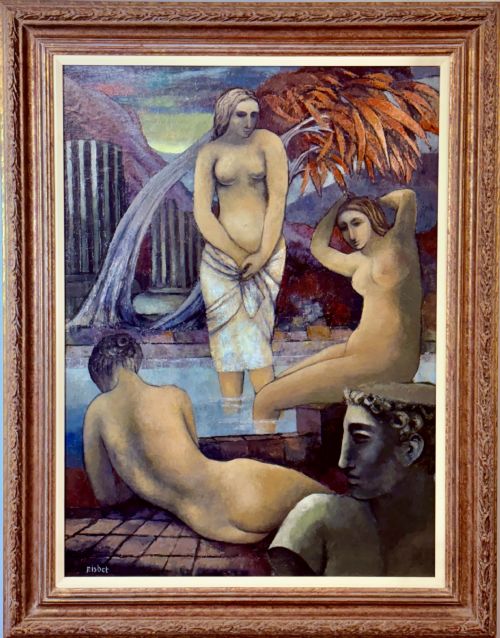
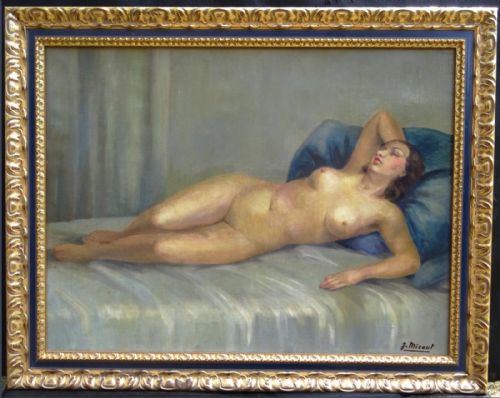
Common subjects include stylised female portraits, nude studies, architectural transport posters, and botanical or still life compositions. These themes reflect the modernist enthusiasm for speed, glamour, and simplified natural forms.
Artists also depicted domestic animals and abstract geometric patterns, capturing the diverse cultural influences of the interwar decades.
How do I clean antique frames and glass?
Dust wooden frames gently with a dry, soft cloth, avoiding commercial polishes that can build up residue in carved or recessed details. Use a minimal amount of glass cleaner applied to a cloth rather than directly onto the glass.
This prevents moisture from seeping beneath the rebate and damaging the antique paper or artwork mounting behind.
Can I mix art deco pieces with other styles?
The clean lines and geometric motifs of the era pair well with mid-century modern furnishings, industrial lighting, and even minimalist contemporary interiors. The strong graphic quality provides a focal point that anchors contrasting design elements.
Balancing scale and tonal ranges ensures that different periods complement rather than compete with each other within a room.