
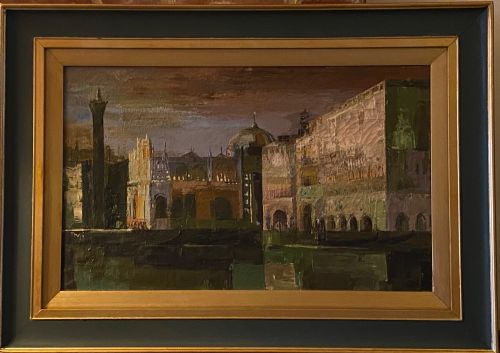
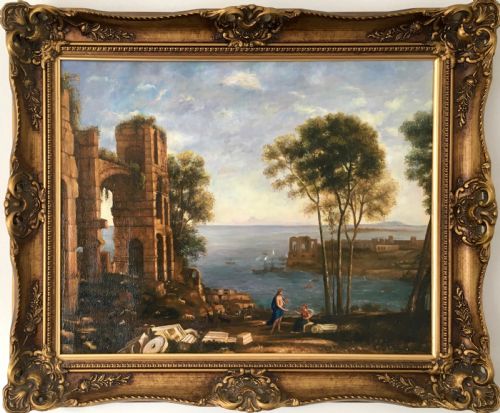
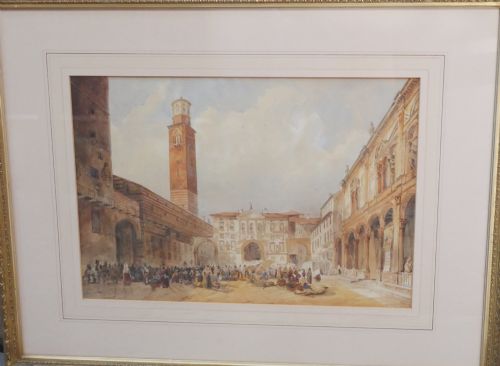

Framed Architectural Landscape
These framed architectural landscape works combine structural precision with scenic atmosphere, offering buyers a window into historic towns and monuments.
Framed Architectural Landscape
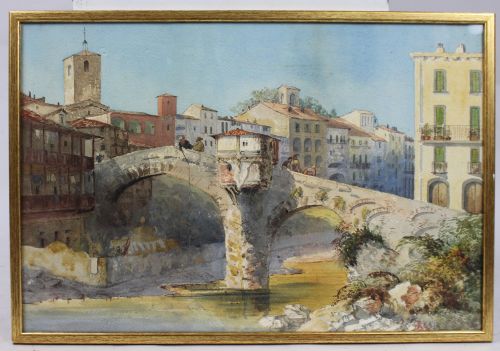
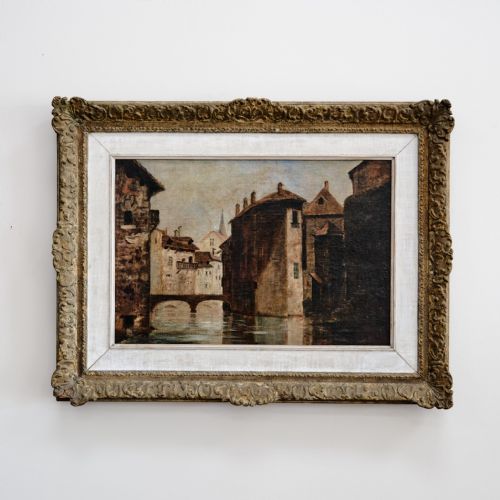
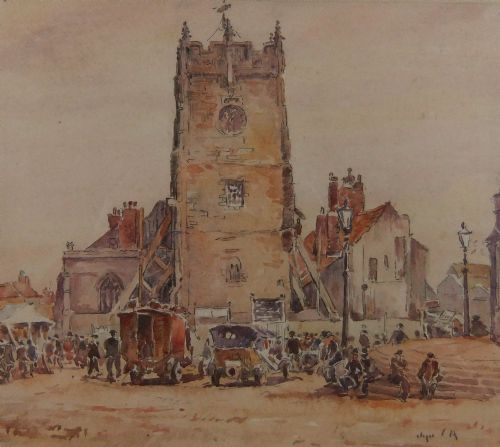
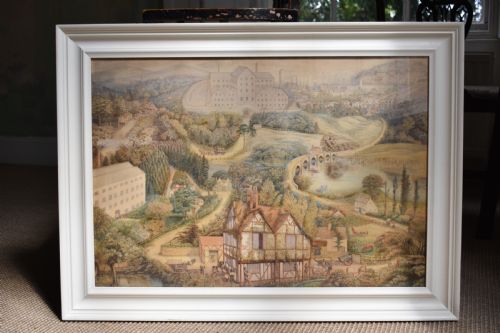
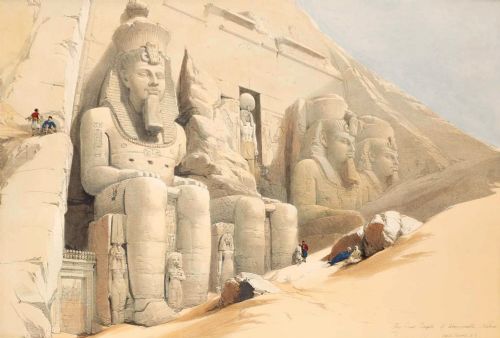
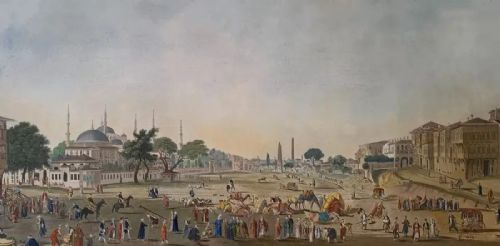
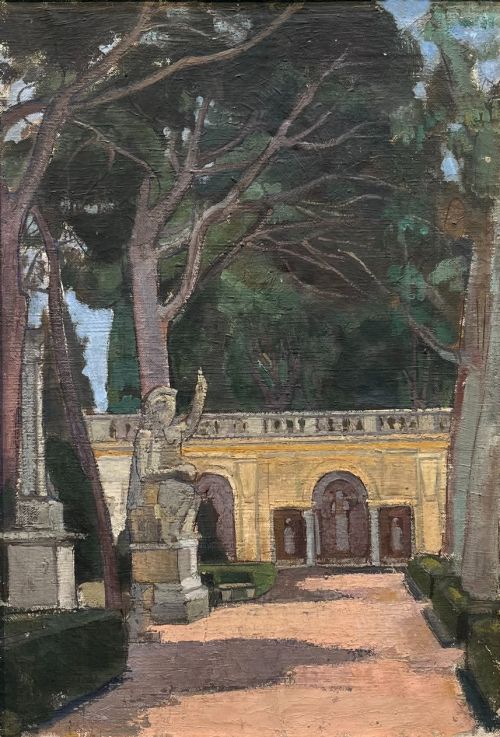
A framed architectural landscape brings together man-made structures and natural surroundings, ranging from grand classical monuments to quiet town squares. When searching for a framed architectural landscape, buyers encounter a diverse selection of mediums capturing civic buildings, ancient ruins, and street scenes.
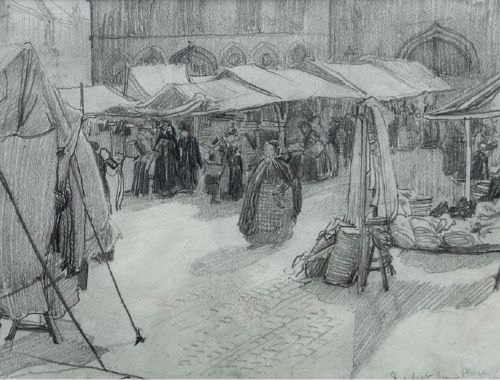
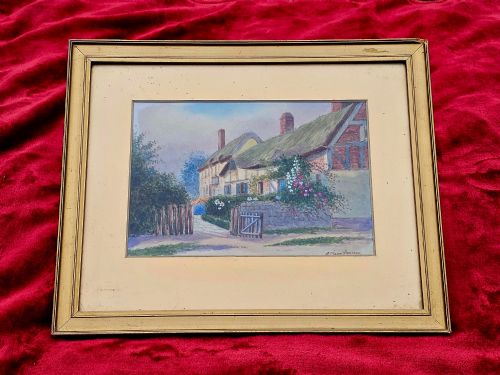
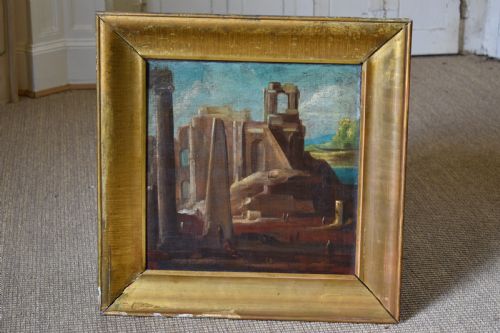
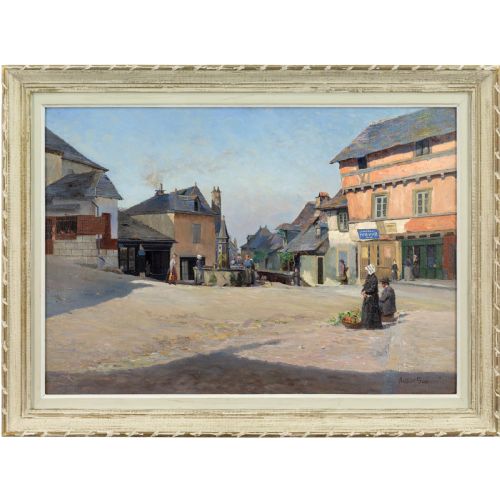
The pieces on this page span several periods, with the nineteenth century and the early twentieth century heavily represented alongside mid-century interpretations. Works vary from detailed watercolours and pencil drawings to large oil paintings on canvas and board.
Origins stretch across Britain, France, Italy, and beyond, recording locations from Venice and Rome to local Yorkshire markets. Buyers frequently find watercolours and oil paintings depicting specific European vistas, market squares, and historic castles.
How they were made
Artists record these scenes using oil paint, watercolour, ink, and pencil applied to paper, canvas, panel, or board. Support materials often sit within period wood frames, sometimes finished with gold leaf or gesso detailing.
Techniques range from precise architectural drafting in pen and wash to loose impressionist brushwork in oils and impasto. Etchings, prints, and pietra dura stone panels also appear, demonstrating varied workshop practices from different eras.
Paper supports feature pencil, ink, and watercolour, while canvas and board receive oil and impasto.
What varies in quality
The strength of composition and the precision of perspective set finer examples apart from simpler decorative works. Skilled handling of light and shadow defines how convincingly buildings and streets inhabit their surrounding landscape.
Condition of both the artwork and its original frame influences the overall standing of a piece. Original surfaces, clear signatures, and well-preserved paper or canvas distinguish the more accomplished works in this field.
Henry Percy Huggill·Thomas Ellison·A. Marie Parsons·Arthur Gué·John Smith Atherton·David Roberts·Anton Ignaz Melling·Henry de Waroquier·Lilian Colbourn·Alexander Jamieson·Paul-Élie Gernez·Alfred George Morgan·Fred Lawson·Ron Folland·Caroline Burnett
The Framed Architectural Landscape Glossary
- Grand Tour
- A traditional trip through Europe undertaken by upper-class young men to absorb classical art and architecture. Works from this tradition often depict Italian ruins and famous cityscapes.
- Impressionism
- An art movement focusing on transient effects of light and ordinary subject matter with visible brushstrokes. Mid-century and British adaptations frequently apply this loose approach to urban views.
- Pietra dura
- A method of creating decorative designs using cut and fitted inlaid pieces of coloured stones. Surviving panels often display intricate architectural motifs.
- Gesso
- A plaster-like mixture applied to wood surfaces as a base for paint or gilding. Period frames rely on this material to create moulded ornamental details.
- Diptych
- An artwork divided into two matching sections or panels hinged or displayed together. These pieces often present paired views of historic abbeys or street scenes.
Framed Architectural Landscape: Frequently Asked Questions
What subjects appear in these scenes?
The works depict a wide variety of human-made structures set into natural or urban environments. Common subjects include town squares, canals, ancient ruins, castles, and industrial factories.
Artists record specific locations across Europe and Britain, ranging from bustling markets in Venice and Bruges to quiet cottages and classical gardens.
How do I date a piece?
Dating relies on stylistic clues, artist signatures, framing materials, and inscribed dates on the reverse or front of the work. Victorian and Edwardian pieces often display distinct framing and mounting conventions.
Mid-century works introduce bolder abstract brushwork and constructivist themes that separate them from nineteenth-century watercolours and oils.
How should I display them at home?
These framed works suit living rooms, studies, and hallways where their detailed perspective can be appreciated up close. Pairing smaller watercolours or drawings together creates an effective gallery wall.
Keep pieces away from direct sunlight to protect vulnerable watercolours on paper and traditional oil paints from fading over time.
Are all the works painted?
While oil paintings and watercolours form the majority of the selection, the category also includes original pencil drawings, ink wash studies, and mixed media works.
Printed items such as hand-coloured etchings and neo-classical architectural prints provide alternative ways to collect historic views.