
Framed Oil
Choosing a framed antique oil brings centuries of studio craft, portraiture and landscape into a room.
Framed Oil
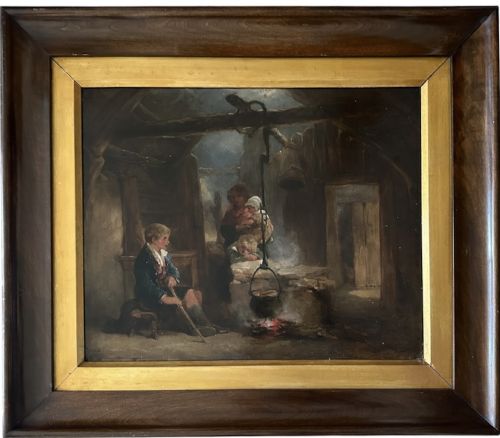
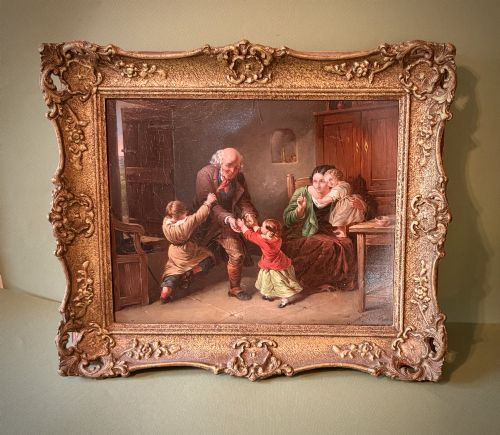
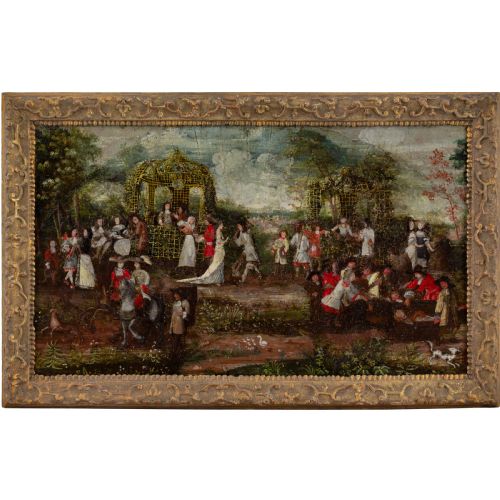
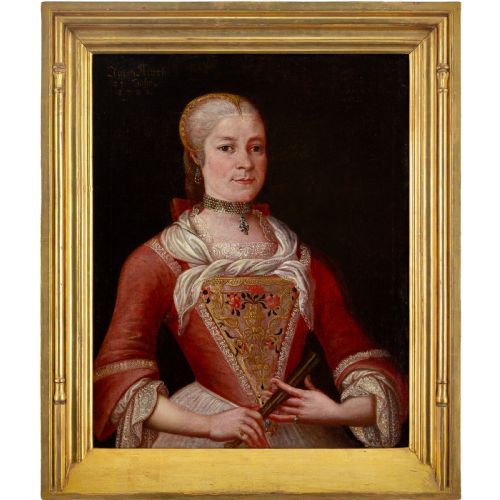
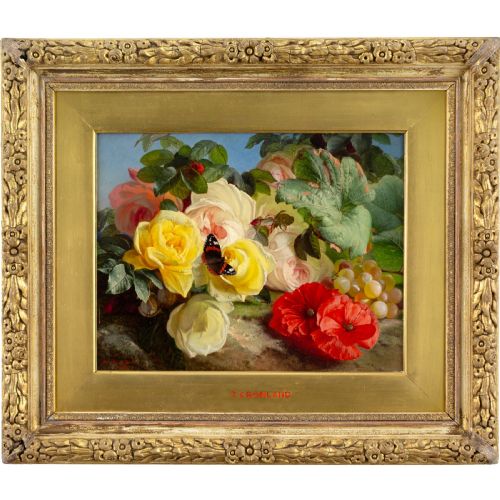
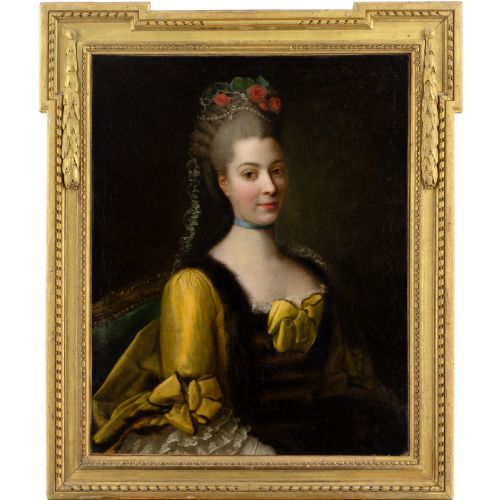
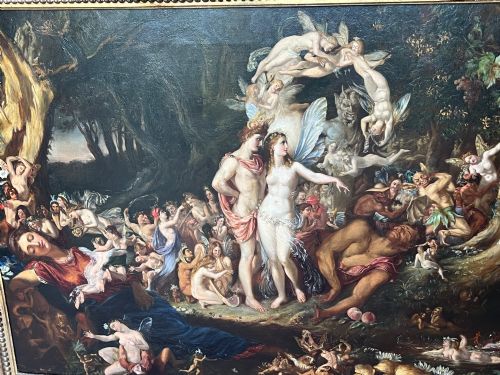
When searching for a framed antique oil, a buyer encounters centuries of painting traditions spanning seventeenth-century court portraits to nineteenth-century landscapes. The selection includes works by named continental and British artists, regional school pieces, and decorative studies housed in period frames.
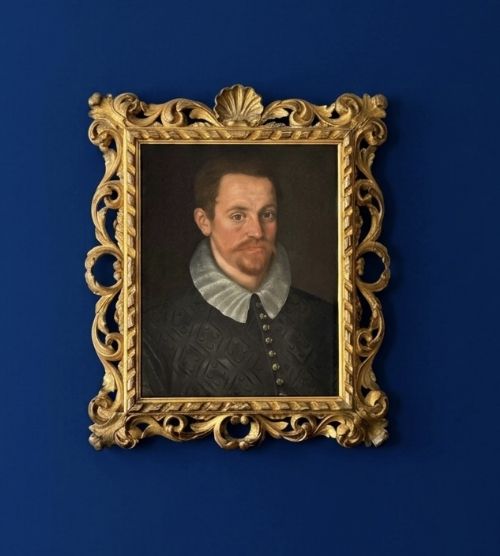
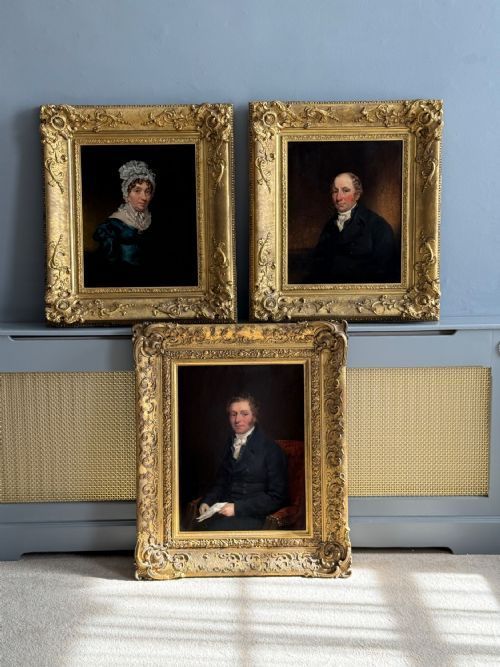
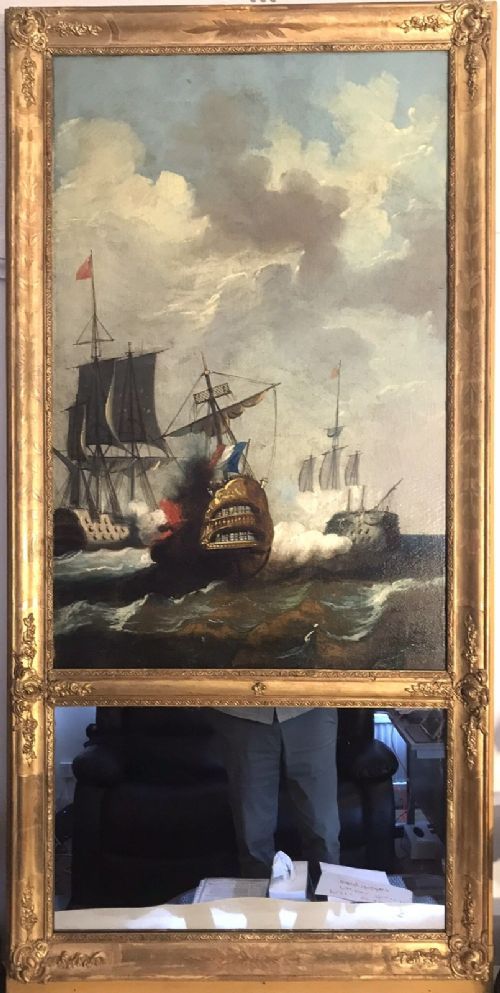
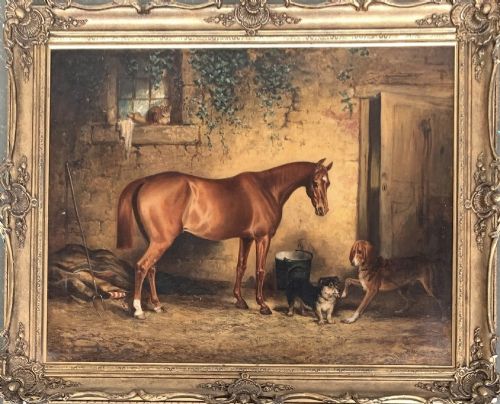
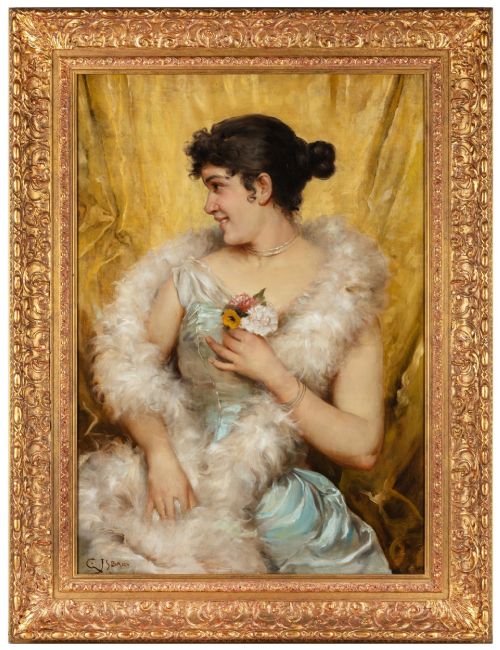
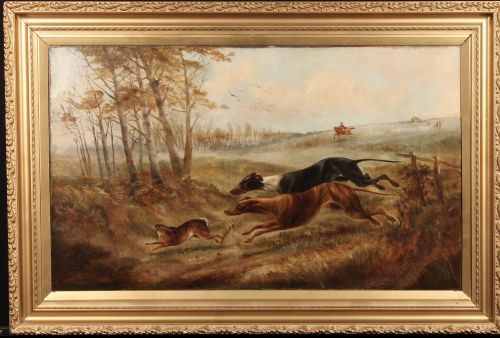
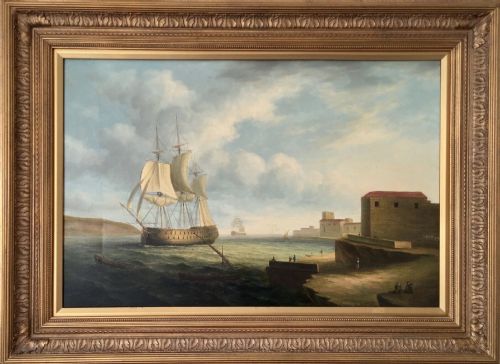
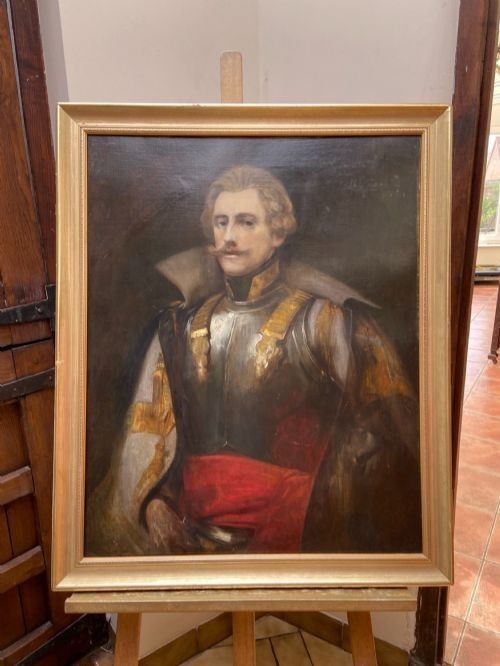
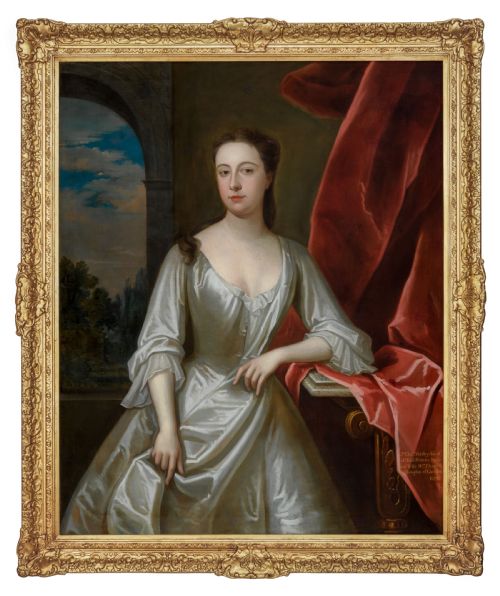
Portraits dominate the available inventory, depicting gentlemen in ruffs, eighteenth-century clerics, and Victorian ladies. Alongside these figure studies sit maritime scenes of galleons, pastoral landscapes with cattle, and floral still lifes.
Many of these works retain their original giltwood or moulded wooden frames, which complete the object. The scale ranges from intimate panel paintings to large canvases intended for country house drawing rooms.
How They Were Made
Artists painted primarily with oil paint on prepared canvas, though wooden panels, card and fan leaves also served as supports. Canvas was stretched over wooden frames and occasionally laid down onto boards during later conservation.
Surrounding the paintings are frames constructed from wood and finished with gold leaf, giltwood, or gesso mouldings. These frames were often carved or cast to match the aesthetic of the period, from simple dark mouldings to ornate nineteenth-century gilt frames.
Listings feature works executed on canvas, wood panels, card, and fan leaves across multiple centuries.
What Varies in Quality
Quality rests in the execution of the brushwork, the anatomical conviction of the figures, and the depth of the composition. Master works by documented painters show nuanced handling of light and fabric, whereas regional school pieces or naive works display a simpler charm.
The relationship between the painting and its frame determines visual success. Period giltwood frames that complement the age and palette of the canvas elevate the work, while later or mismatched mountings alter the overall character.
Joseph Clover RA·Henry Barraud·Theude Grönland·Sir Joshua Reynolds·Sir Godfrey Kneller·Charles Jervas·Charles-Antoine Coypel·Jean-Baptiste Van Loo·William Beattie-Brown·Felix Stone Moscheles·Sir Anthony van Dyck·Sir Peter Lely·John Hayls·William Henry Williamson
The Framed Oil Glossary
- Canvas
- A heavy woven fabric stretched across a wooden stretcher to provide a firm yet flexible painting surface. It has served as the primary support for oil paintings since the Renaissance.
- Giltwood
- Wood that has been coated with a thin layer of gold leaf or metallic powder over a prepared gesso ground. This finish defines traditional antique picture frames.
- Panel
- A flat piece of wood used as a rigid painting support before canvas became dominant. Wooden panels often display fine detail and distinct craquelure.
- Trumeau
- A decorative wall mirror featuring an oil painting set into the upper section above the glass plate. These architectural elements originated in French interior design.
- School
- A group of artists working within a specific region, period, or stylistic tradition under a shared influence. Listings often attribute anonymous works to an English or Flemish school.
Framed Oil: Frequently Asked Questions
How do I date a framed antique oil?
Dating relies on stylistic clues within the painting, such as the subject's costume, wig style, or hair arrangement. Costume historians can place portraits within narrow decades based on collars, doublets, or bonnets.
Material evidence on the reverse also helps establish age. Old stretchers, carpenter marks, hand- forged nails, and historical inscriptions or labels provide reliable chronological markers.
Are these paintings original or reproductions?
The inventory consists of period originals painted in the seventeenth, eighteenth, and nineteenth centuries. Many carry artist signatures, contemporary inscriptions, or historical attributions to documented schools.
Some listings note when a work is painted after an earlier master, such as copies of famous compositions. These historical copies possess their own antique age and traditional craft.
What is a trumeau mirror?
A trumeau is a decorative wall fixture originating in eighteenth-century France that combines a mirror plate with an oil painting. The painted panel occupies the upper section, depicting pastoral landscapes or maritime scenes.
These integrated pieces served to decorate drawing rooms above mantelpieces or between windows. They unite carved woodwork, gilt framing, and fine art into a single wall hanging.
How should I care for an antique oil painting?
Antique oils require stable indoor humidity and protection from direct sunlight to prevent the canvas and paint from drying out. Keeping them away from sudden temperature shifts prevents cracking in the gesso and wood.
Dust should be removed gently from the surface and frame using a soft, dry brush without applying liquid cleaners. Professional conservators should handle any deeper cleaning or varnish removal.