


Framed Dog Picture
A framed antique dog picture brings home centuries of canine companionship, capturing hounds, gun dogs and lapdogs in oils, watercolours and engravings.
Framed Dog Picture
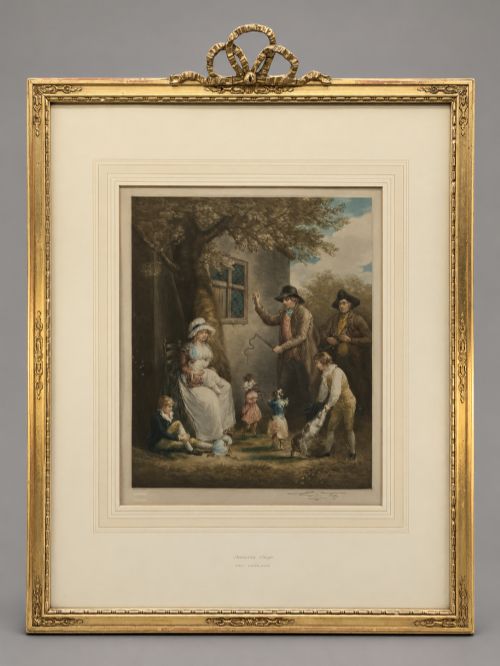
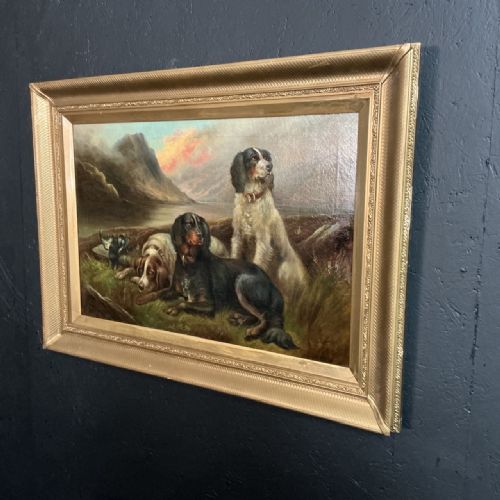
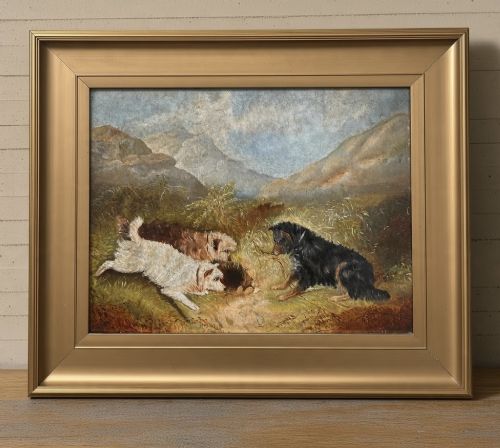
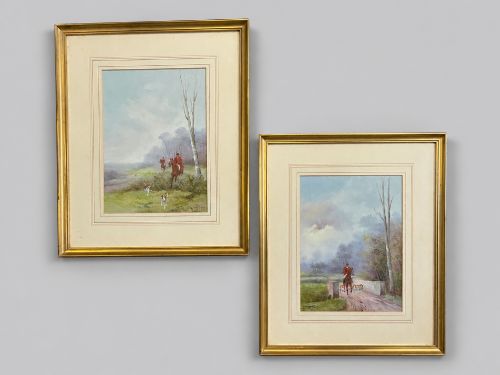
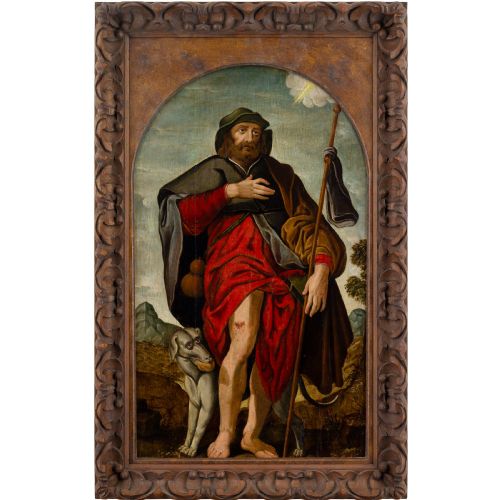
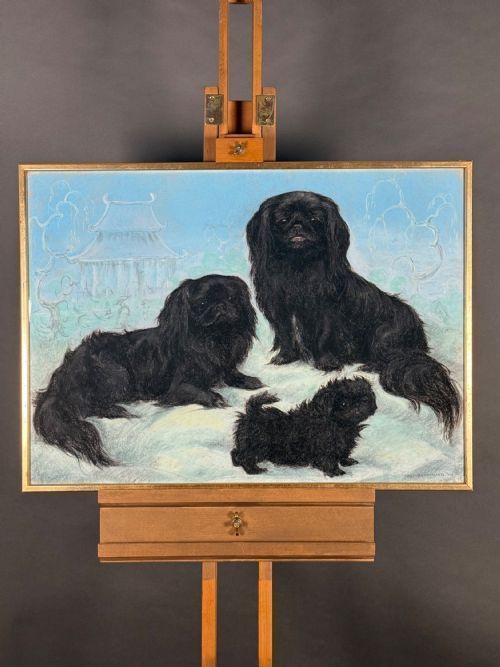
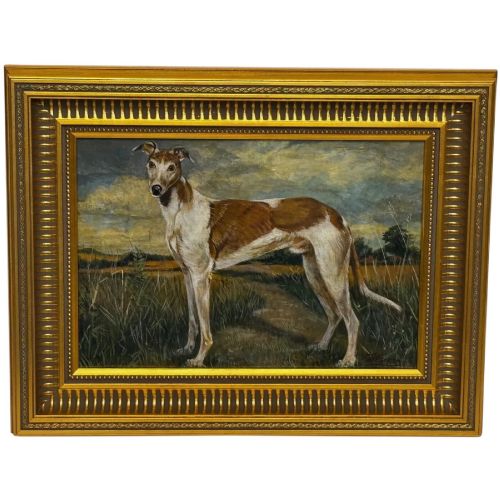
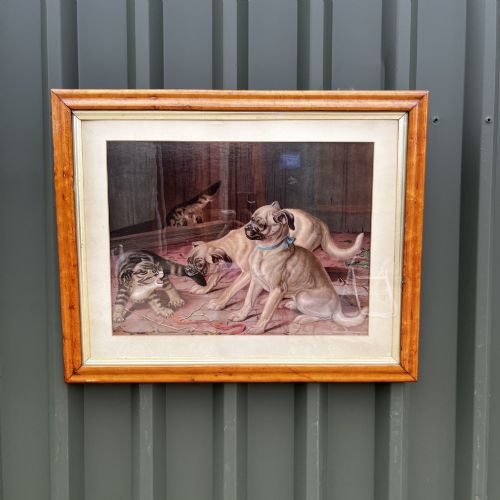
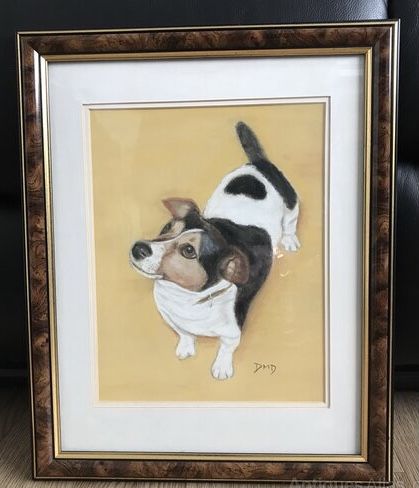
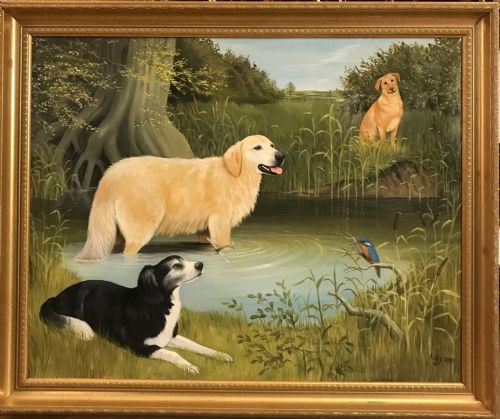
A framed antique dog picture encompasses a wide array of historical depictions, ranging from intimate pastel studies and charcoal drawings to large oil paintings on canvas. These works typically date from the nineteenth century into the early twentieth century, reflecting a period when canine portraiture and sporting art flourished across Britain and Europe.
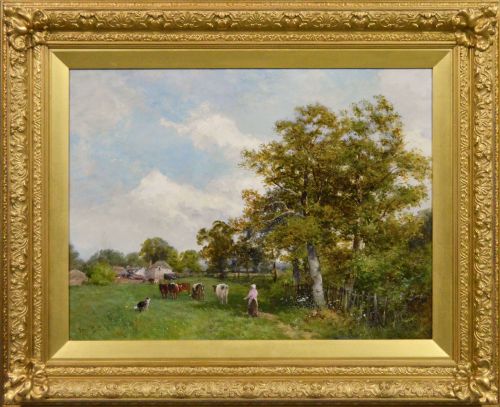
Buyers encountering this selection will frequently find Victorian oil paintings and Edwardian prints. Many portray working breeds, terriers and sporting hounds, reflecting the pastoral and hunting pursuits popular among artists and patrons of the era.
Materials and technique
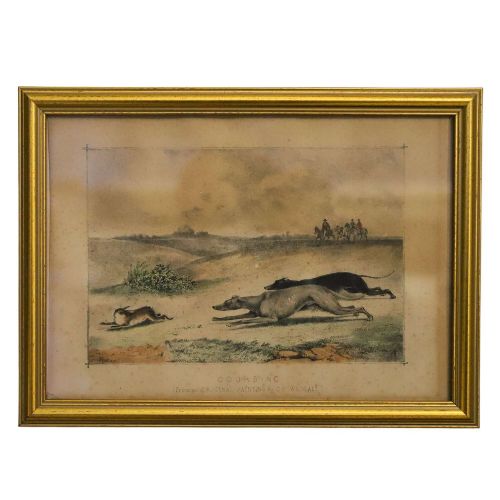
The structural integrity depends on the original pairing of the artwork with its glass and frame, whether secured in an elaborate gilt border or a simple wooden surround. Pigments and papers reflect the chemistry of their respective decades, from nineteenth-century hand-coloured engravings to mid-century oil on board.
Framed Dog Picture Retail Price Guide 2026
Typical asking prices for framed dog picture among the pieces listed under this phrase on Sellingantiques today, from the lower quarter to the upper quarter. They describe what is for sale here now, not the wider market.
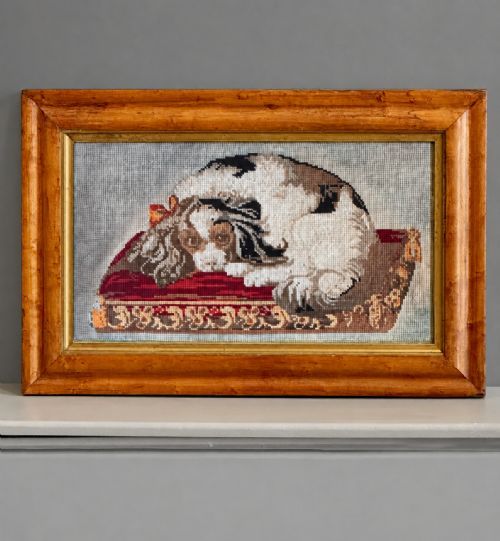
Watch for King Charles spaniels glaring out from Berlin work wool.
Assessing quality
Quality rests in the anatomical accuracy of the animal, the expressive depth captured in the eyes and coat, and the fidelity of the brushwork or engraving line. Master hands render texture with convincing weight, distinguishing coarse terrier fur from the sleek sheen of a hound.
The preservation of the surface and the authenticity of the framing contribute significantly to a piece's standing. Works that retain their original gilt or burr maple surrounds without excessive overpainting present a more unified historical record.
William James Hubard·Horatio Henry Couldrey·John Emms·Arthur Wardle·Herbert Dicksee·Sir Edwin Landseer·Henri Schouten
The Framed Dog Picture Glossary
- Chromolithography
- A planographic printing method that uses multiple stones or plates to apply different coloured inks to paper, producing vibrant multi-toned reproductions. This technique was widely utilised for popular art prints in the nineteenth century.
- Needlework
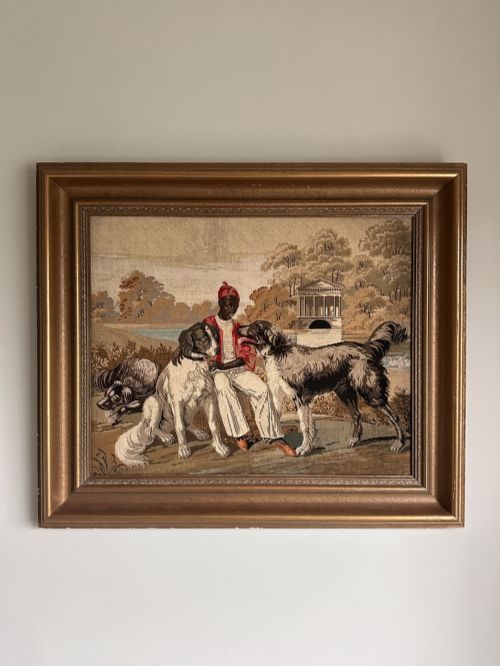
- A textile craft involving hand stitching with yarn or thread on a canvas ground to create pictorial scenes. Berlin work, a popular Victorian form, utilised Berlin wool patterns to build detailed canine portraits.
- Etching
- An intaglio printmaking process where lines are bitten into a metal plate with acid before being inked and pressed onto paper. Master etchers achieved subtle tonal gradations through varying line depths and cross-hatching.
- Sporting Art
- A genre of painting and illustration dedicated to rural sports, horse racing, shooting and hunting dogs. Works in this category often document specific prized hounds and gun dogs within a landscape setting.
- Silhouette
- A two-dimensional profile portrait cut from dark paper or painted in solid black against a lighter background. These minimalist likenesses gained popularity during the Georgian and Victorian eras.
Framed Dog Picture: Frequently Asked Questions
What periods do these dog pictures come from?
The selection spans primarily the nineteenth and early twentieth centuries, capturing the Victorian and Edwardian artistic tastes. Pieces range from early nineteenth-century watercolours to mid-twentieth-century oil paintings.
This broad chronological spread encompasses diverse artistic movements, from traditional British sporting art to French school portraiture and romantic pastoral scenes.
How were these pictures originally displayed?
Historically, these artworks hung in country houses, libraries and drawing rooms to celebrate prized hunting dogs, family pets or sporting achievements. They served as both decorative focal points and statements of personal passion for rural pursuits.
Many retain their original period frames, such as giltwood or burr maple surrounds, which were specifically chosen to complement the domestic interiors of the Victorian era.
Are these works original or reproductions?
The inventory includes both one-of-a-kind original works, such as oil paintings on canvas and hand-drawn pastels, alongside period print techniques like etchings and chromolithographs.
Original paintings offer unique brushwork and artist touches, whereas antique prints represent period-authorised multiples created using traditional mechanical and manual printing processes.
How should I care for an antique framed picture?
Preservation requires keeping the artwork away from direct sunlight and maintaining stable indoor humidity levels to protect paper, canvas and wooden frames. Gentle dusting of the glass and frame with a dry, soft cloth is sufficient for routine maintenance.
Avoid using liquid cleaners on the artwork surface or antique frames, as moisture can damage fragile nineteenth-century paper, pigments and original gilt surfaces.