





Framed Animal Watercolour
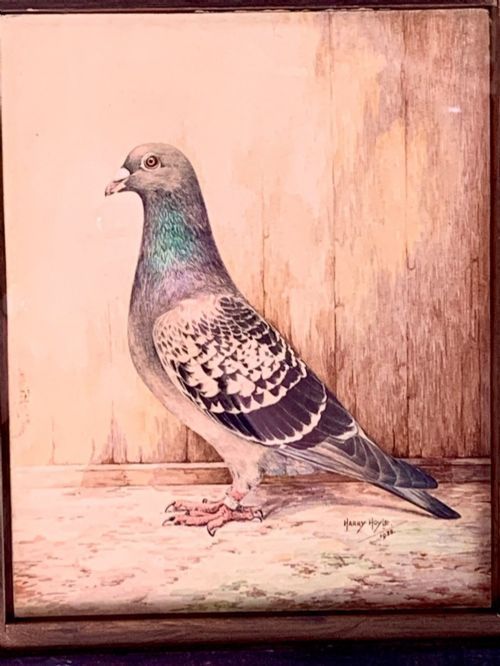
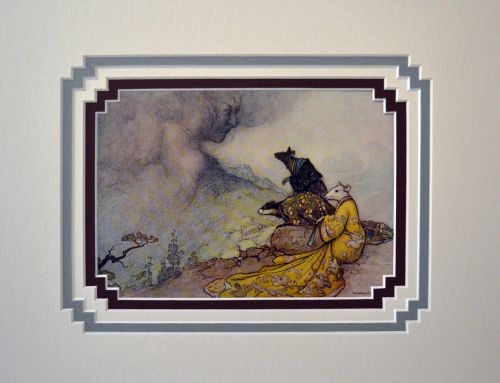
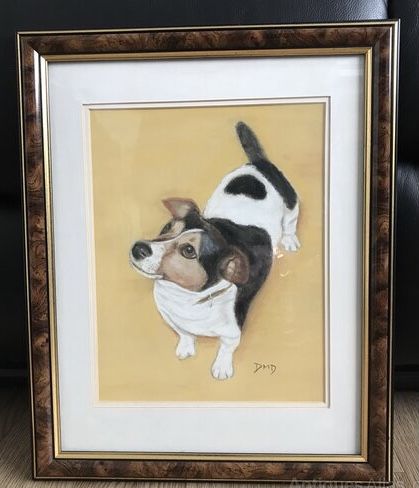
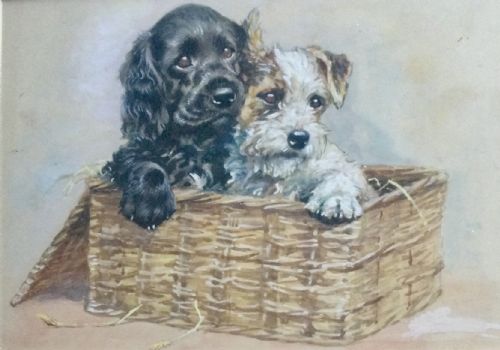
These framed animal watercolour works bring domestic pets, farm livestock, and countryside wildlife into the room through pigments on paper.
Framed Animal Watercolour
A framed animal watercolour captures subjects ranging from working hounds and lap dogs to farm cattle and horses, presented in original frames behind glass. You encounter domestic pets, farmyard animals, and birds depicted across the nineteenth century, the Edwardian era, and mid twentieth century periods.
The selection on this page shows works executed in watercolour pigment, pastel, and mixed media on paper and card. These pieces reflect Victorian genre art, Victorian pastoral scenes, and twentieth century British realism.
Most examples come down to us framed in wood, frequently accented with gold leaf, protecting the fragile paper support beneath glass. This mounting preserves the delicate wash techniques characteristic of animal portraiture from these eras.
Materials and technique
Artists applied watercolour pigment and pastel onto paper or card, often combining media to achieve texture in animal coats and plumage. Detail was built through fine brushwork, sometimes supported by gouache highlights for opacity.
Protection came from timber framing and glass glazing, occasionally incorporating gold leaf within the moulding to complement the subject. This method shielded the water-soluble pigments from moisture and handling over decades.
Framed Animal Watercolour Retail Price Guide 2026
Typical asking prices for framed animal watercolour among the pieces listed under this phrase on Sellingantiques today, from the lower quarter to the upper quarter. They describe what is for sale here now, not the wider market.
The listings span from the nineteenth century through the Edwardian era into the mid twentieth century, using paper, card, wood, and gold leaf.
Evaluating the works
Quality rests upon the draughtsmanship in rendering the anatomy and character of the animal, distinguishing lively observation from stiff convention. The handling of watercolour wash determines whether the subject possesses depth and movement.
The condition of the paper surface and the integrity of the original frame and glass contribute significantly to the standing of a piece. Works retaining their period presentation without heavy fading or damp staining command greater appreciation.
Arthur Wardle·Helena Maguire·Basil Bradley·Mabel Gear·Warwick Goble·Aster Richard Chilton Corbould·Irene Lagut
The Framed Animal Watercolour Glossary
- Watercolour pigment
- Ground colour mixed with a water-soluble binder, applied in washes to paper. It creates translucent effects prized in natural history and animal illustration.
- Pastel
- A medium formed of powdered pigment and a binder rolled into sticks, used dry on paper or card. It offers soft textures suited to rendering fur and feathers.
- Gouache
- An opaque water-based paint containing pigment and white filler, used alongside transparent watercolour. It provides solid highlights and dense colour areas.
- Genre art
- Paintings depicting scenes from everyday life, often featuring domestic animals and farmyard activities. These works focus on narrative charm and pastoral settings.
- Card
- A thicker, rigid paper support used by artists for stability. It prevents the buckling often seen in thin paper sheets subjected to heavy washes.
Framed Animal Watercolour: Frequently Asked Questions
How should I hang a framed animal watercolour?
Keep these works away from direct sunlight to prevent the watercolour pigments and paper from fading over time.
Position them on interior walls where room temperature and humidity remain relatively stable to protect the paper and wooden frame.
What subjects appear most frequently in these paintings?
Dogs, horses, cattle, and sheep dominate the pastoral and domestic scenes across the nineteenth and twentieth centuries.
Artists also depicted poultry, wildlife, and narrative animal subjects within countryside and farmyard settings.
Are the frames original to the watercolours?
Many pieces retain their period wooden frames, often featuring gold leaf accents that match the age of the artwork.
Glass fronts protect the delicate paper surface from dust and accidental touch, preserving the medium underneath.
How can I tell the period of a watercolour?
Stylistic clues, framing materials, and artist signatures help date the work to Victorian, Edwardian, or later twentieth century periods.
Subject matter and costume details in accompanying figures also point toward the decade of creation.