

Framed Animal Print
Framed animal print works bring domestic and wild creatures onto the wall through enduring paper, canvas, and ink depictions.
Framed Animal Print
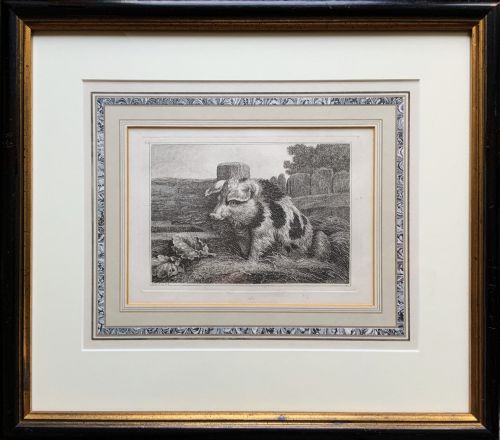
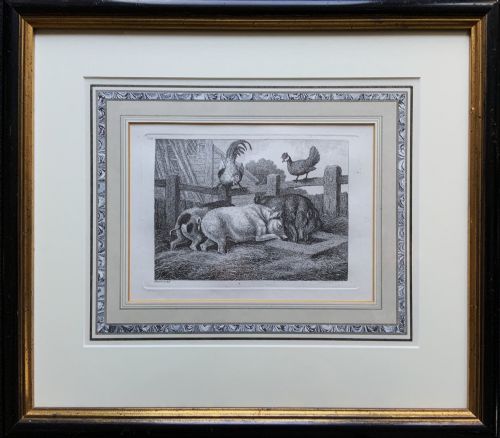
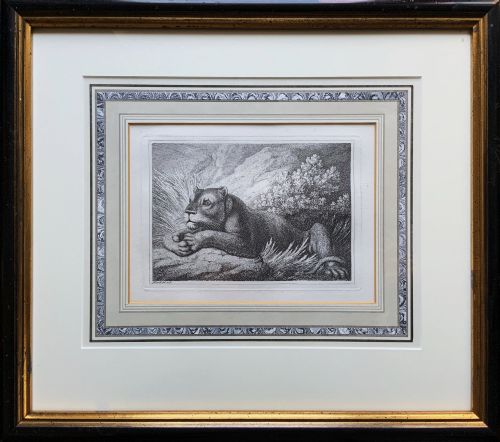
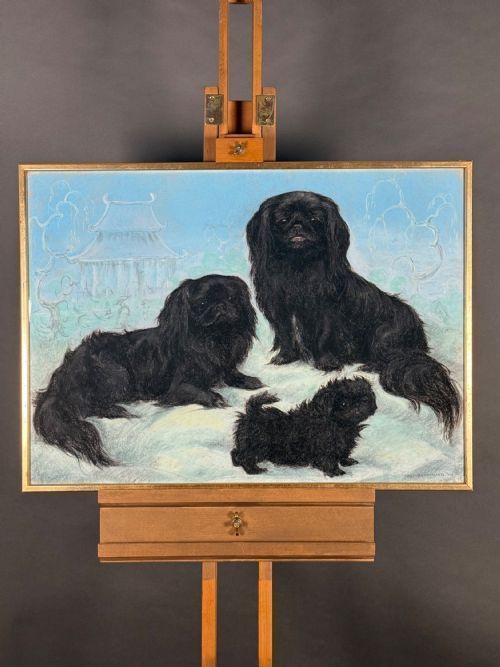
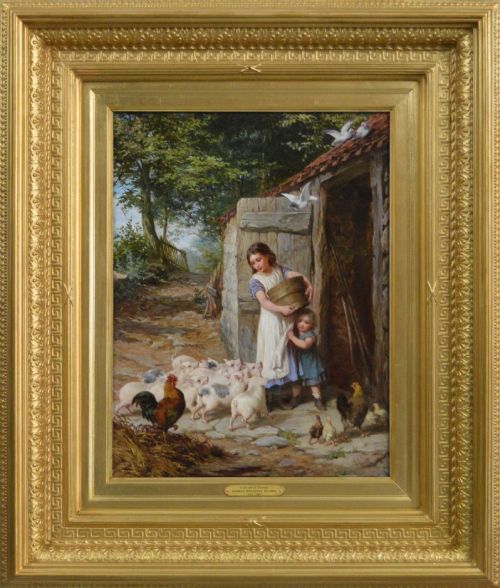
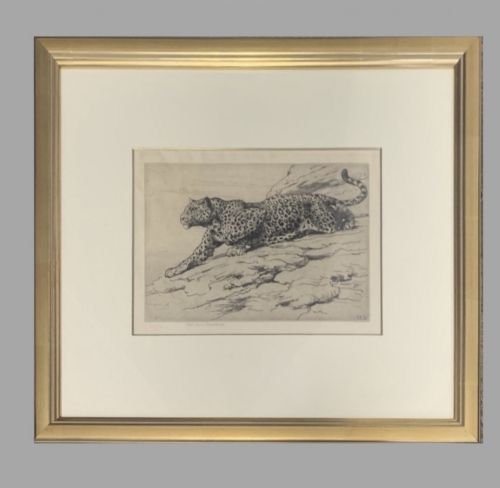
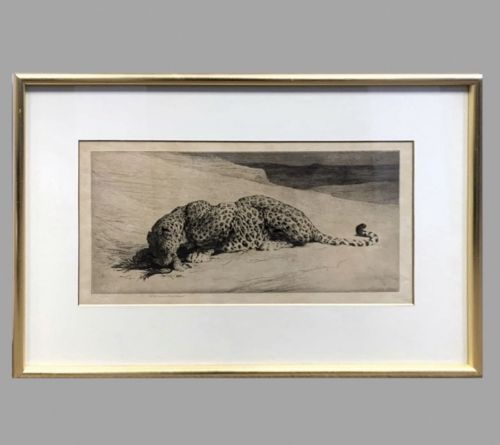
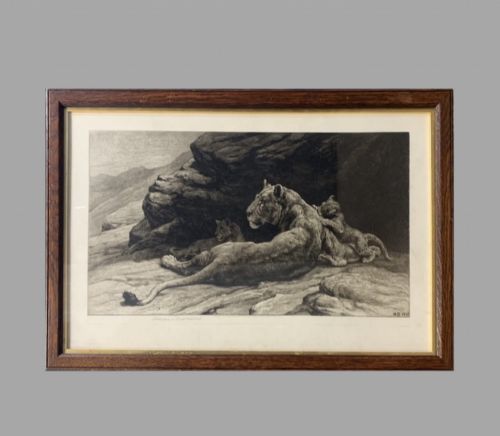
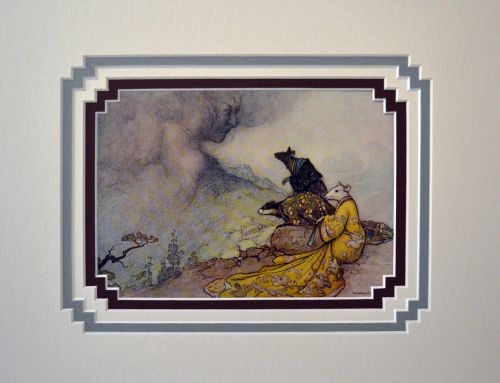
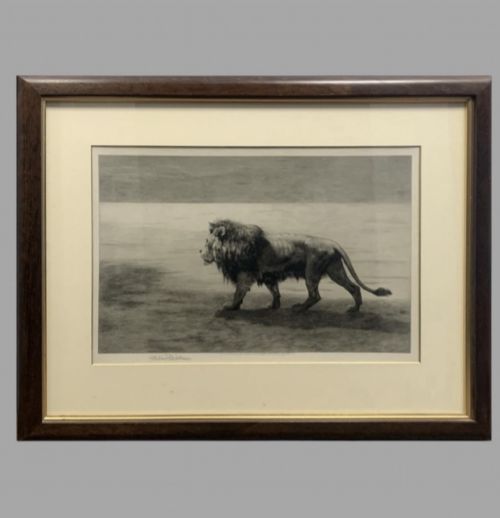
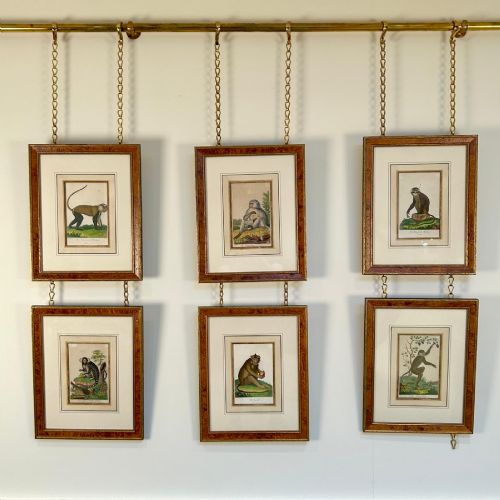
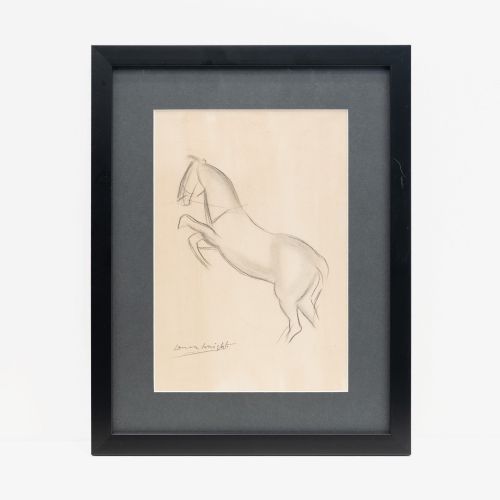
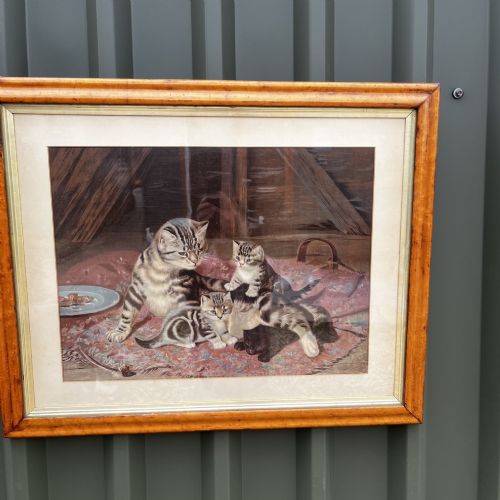
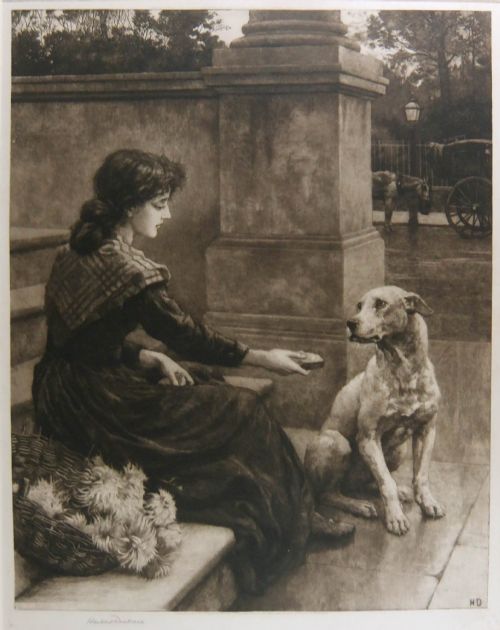
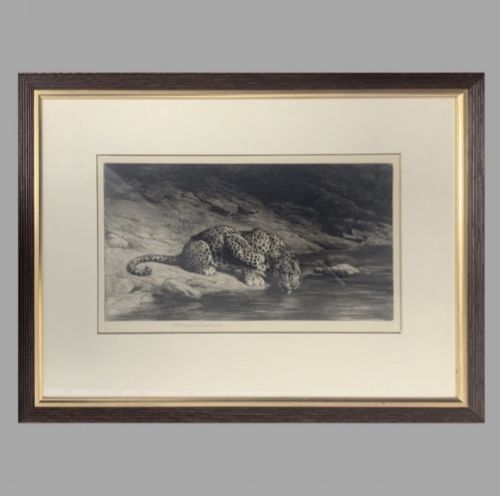
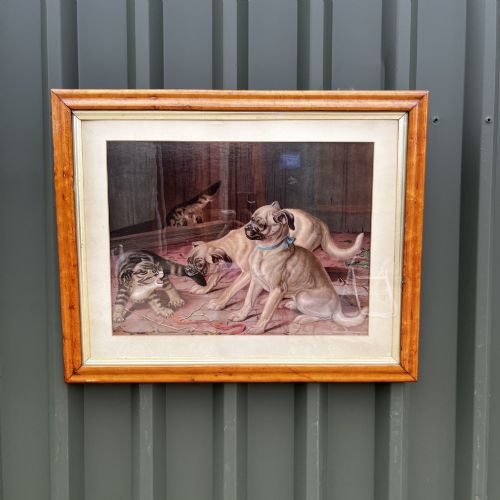
A framed animal print search brings together historical depictions of creatures ranging from domestic pets to wild beasts. Buyers looking at this page encounter various artistic interpretations created across the eighteenth, nineteenth, and twentieth centuries. These pieces manifest as detailed etchings, chromolithographs, and delicate drawings preserved behind glass in period surrounds.
The selection on this page leans heavily towards works produced during the Victorian and Edwardian eras, alongside pieces from the early twentieth century. Common subjects include dogs, cats, farm animals, and exotic wildlife rendered by notable artists and printmakers. Each framed item captures the observation of animal behaviour typical of its specific period.
How They Were Made
These works rely on traditional printmaking techniques such as etching and drypoint on paper or vellum, often enhanced by hand colouring. Artists worked directly onto metal plates using fine tools to create intricate lines before transferring the image to paper. Other pieces utilise chromolithography to achieve layered colour effects through multiple inked stones.
Framing materials reflect the period of production, featuring wood, giltwood, and gold leaf mouldings designed to complement the artwork. Glass protects the delicate paper and pastel surfaces from environmental damage over the decades. The combination of secure wooden frames and acid-free mounting ensures the longevity of these delicate works on paper.
Framed Animal Print Retail Price Guide 2026
Typical asking prices for framed animal print among the pieces listed under this phrase on Sellingantiques today, from the lower quarter to the upper quarter. They describe what is for sale here now, not the wider market.
Subject matter across the inventory includes domestic pets, farm animals, and exotic wildlife rendered through various printmaking and painting methods.
What Varies in Quality
Quality in these works rests upon the crispness of the impression and the artist's command of line. Early impressions pulled directly from a fresh plate display sharp details that become softer in later editions. The precision of hand colouring and the strength of the original composition elevate certain pieces above standard reproductions.
The integrity of the framing materials also influences the overall standard of the piece. Original period frames with intact gold leaf or patinated wood contribute historical authenticity to the artwork they enclose. Well-preserved paper without excessive discolouration maintains the visual impact intended by the creator.
Samuel Howitt·Kurt Meyer Eberhardt·George Augustus Holmes·Herbert Dicksee·Horatio Henry Couldrey·Dame Laura Knight·Warwick Goble·Louis Wain·Margaret Maitland Howard·Florence Mabel Hollams·Jules Le Roy
The Framed Animal Print Glossary
- Etching
- A printmaking technique where acid bites into lines drawn on a metal plate covered with a protective ground. This process creates the fine grooves that hold ink during the printing process.
- Drypoint
- A printmaking method in which an artist scratches a design directly onto a metal plate with a sharp needle. This action raises a delicate ridge of metal called burr, which holds extra ink to produce velvety lines.
- Chromolithography
- A planographic colour printing method that uses multiple limestone blocks or zinc plates, one for each colour applied. This technique allowed Victorian publishers to produce vibrant multi-coloured reproductions.
- Artists Proof
- An impression of a print taken before the final edition is approved, often kept by the artist for personal use. These early pulls are typically signed and hold particular interest for collectors.
- Vellum
- A fine parchment prepared from calfskin, offering a smooth surface for detailed ink work. Prints pulled on vellum often exhibit rich tonal qualities and exceptional durability.
Framed Animal Print: Frequently Asked Questions
Are these works original antique pieces?
The listings feature original period etchings, drawings, and early twentieth-century prints created by documented artists. Each piece originates from the era specified in its description.
Look for plate marks, artist signatures, and period paper characteristics to confirm authenticity. The materials and framing techniques match the historical periods represented.
What is an artist proof print?
An artist proof is an impression pulled during the creation of a print edition specifically for the maker's review. These are often signed and scarce compared to later runs.
Collectors prize these proofs for their crisp detail and direct connection to the artist's working process. They frequently bear pencil inscriptions detailing the title or signature.
How were these framed pieces displayed originally?
Victorian and Edwardian households typically displayed animal art in parlours and studies to reflect personal tastes and a love for nature. Matching pairs or series were often hung together in symmetrical arrangements.
The frames were selected to harmonise with interior decor styles of the Georgian, Regency, and later periods. Original giltwood and wood mouldings enhance the historical context of the artwork.