
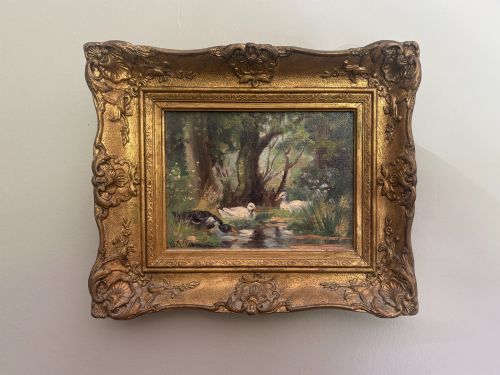
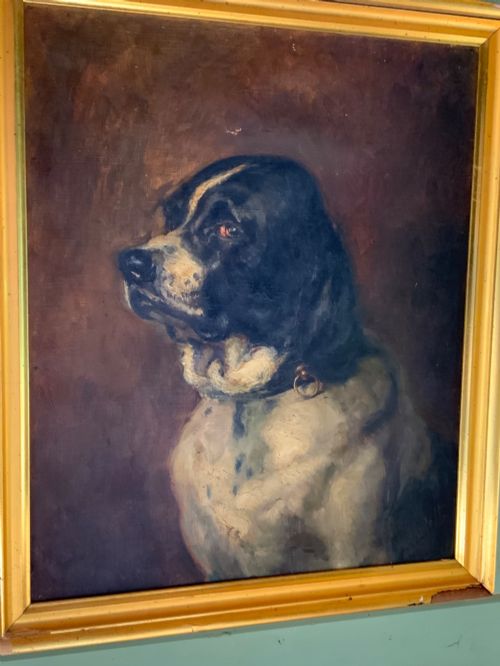
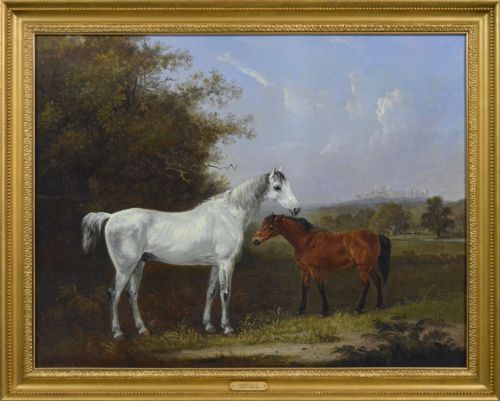
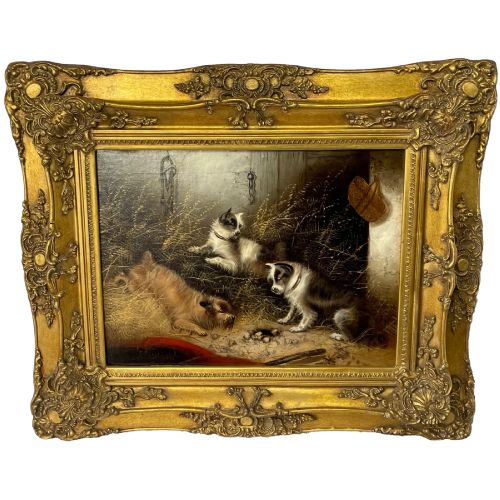
Framed Animal Painting Canvas
These framed animal painting canvas works capture centuries of prized livestock, working dogs and farmyard scenes rendered in oil.
Framed Animal Painting Canvas
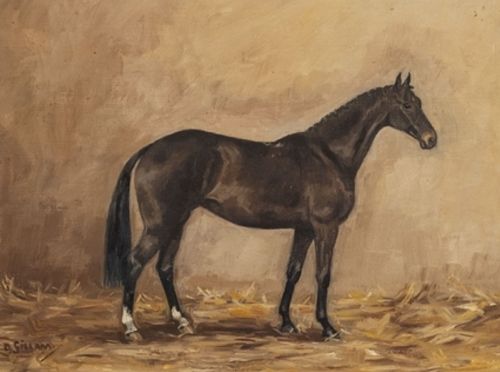
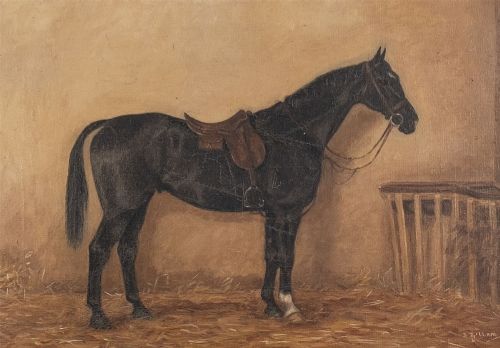
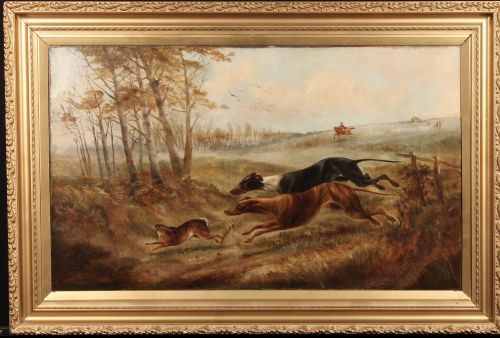
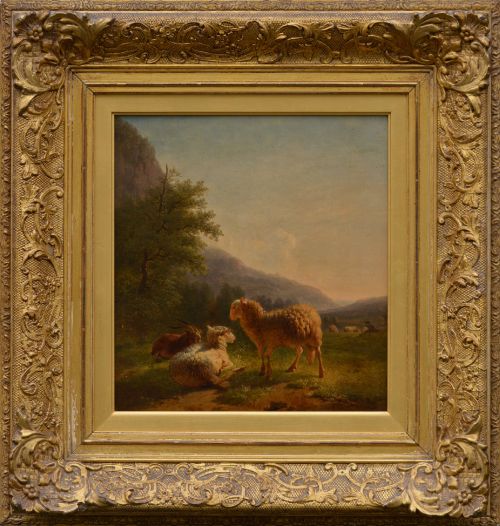
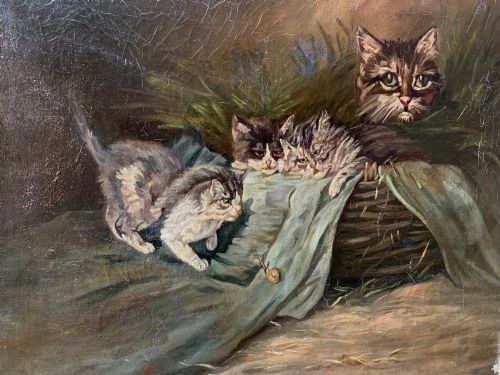
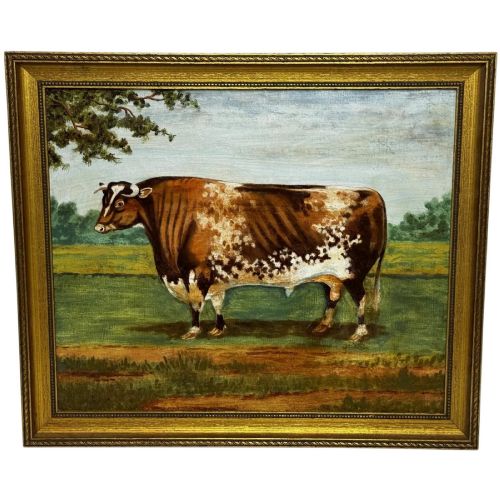
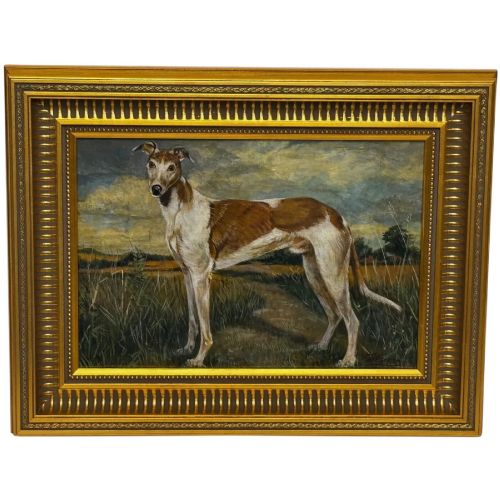
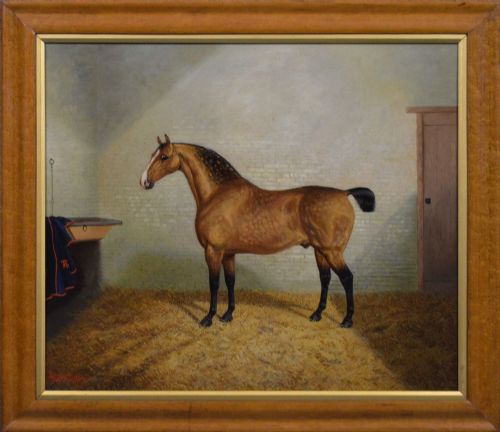
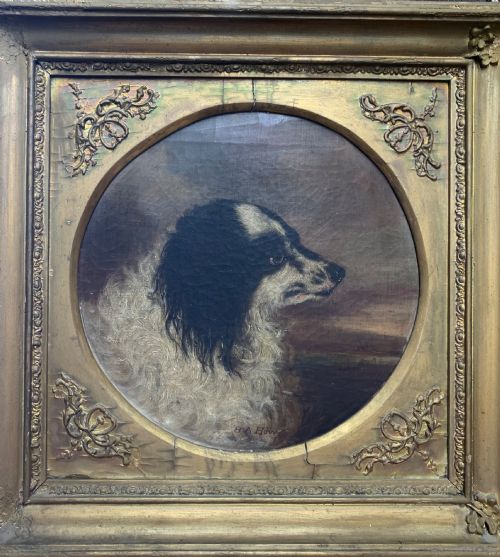
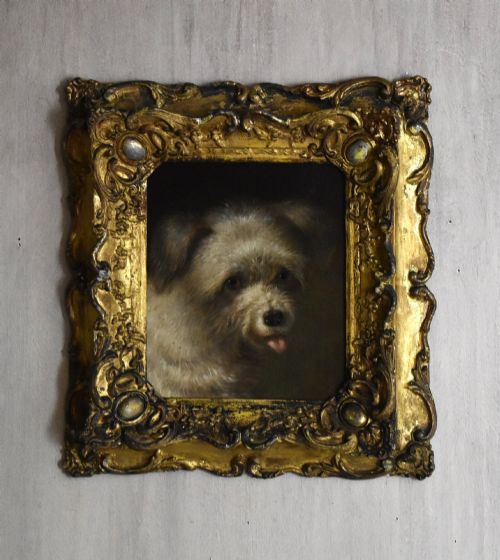
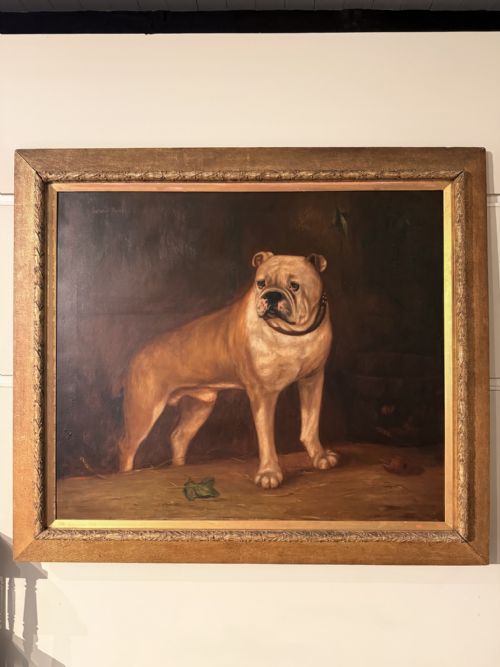
A framed animal painting canvas typically portrays horses, cattle, sheep or dogs within landscape settings or rural environments. Buyers encounter works originating from the eighteenth century through to the early twentieth century, spanning Victorian realisms and sporting art traditions.
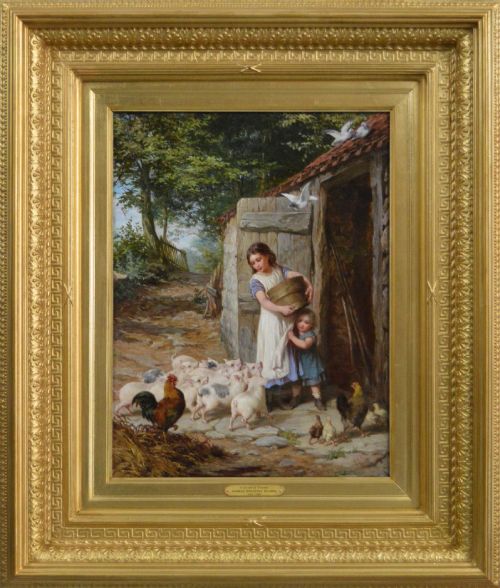
The selection ranges from individual portraits of prized bulls and thoroughbred horses to genre scenes featuring farm animals, gundogs and domestic pets. Many pieces place the animal centrally against a pastoral backdrop, reflecting the strong British and European schools of animalier painting.
Canvas and oil mediums
Artists painted these works using oil paint applied directly onto stretched canvas surfaces, frequently housed within wood and giltwood frames. The technique relies on layered oil pigments to build texture, depth and realism in the rendering of fur, hides and feathers.
The physical support consists of woven textile canvas secured to wooden stretchers, often accompanied by heavy gilt frames finished with gold leaf. These materials allowed artists to achieve subtle tonal gradations and durable finishes that survive across the centuries.
Subject matter ranges across portraits of horses and bulls, depictions of sheep flocks in Highland landscapes, and domestic scenes with dogs and cats.
Anatomy and execution
Quality separates through the accuracy of anatomical drawing and the artist's ability to render light across the subject's coat and surroundings. Superior examples display confident brushwork in the depiction of musculature and expressive detail in the eyes and posture.
The handling of the background landscape and the integration of the animal within its environment also distinguish finer compositions from more formulaic studio productions. Master painters captured specific breed characteristics and individual personality rather than generic animal forms.
George Armfield·Eugène Verboeckhoven·Albert Clark·Martin Theodore Ward·George Augustus Holmes·Edgar Hunt·Robert Watson·Sir Edwin Henry Landseer·William Watson Jnr·Henry Schouten·Claude Cardon·Frans Snyders·John Emms·Henry Robinson Hall·Thomas Sidney Cooper·William Barraud
The Framed Animal Painting Canvas Glossary
- Canvas
- A heavy woven fabric stretched across a wooden frame to serve as the foundation for oil paintings. It provides a stable and textured surface that responds well to traditional layering techniques.
- Giltwood
- Wood carved and coated with a thin layer of gold leaf or metallic gilt paint. This material forms the ornate framing typical of nineteenth-century fine art.
- Sporting art
- A genre of painting dedicated to horses, dogs, shooting and rural sports. These works often record prized livestock and famous racing or hunting animals.
- Genre painting
- The pictorial representation of scenes from everyday life involving ordinary people and animals. These compositions frequently depict farmyard activities or domestic interiors.
- Oil paint
- A slow-drying medium made of pigment particles suspended in a drying oil. It allows for rich blending and depth of colour essential for realist animal portraiture.
Framed Animal Painting Canvas: Frequently Asked Questions
How do I date an old canvas painting?
Dating relies on examining the style of the gilt frame, the weave and preparation of the canvas, and any signatures or inscriptions on the reverse. Painters of the Victorian and Edwardian eras often recorded dates or biographical details directly onto the stretcher bars.
Stylistic conventions in animal portraiture also shift across decades, moving from romanticised eighteenth-century landscapes toward the precise anatomical realism of the late nineteenth century.
Where should I hang a large animal painting?
These works suit principal living spaces, libraries or hallways where traditional oil paintings anchor the room's interior scheme. Ensure the hanging location avoids direct sunlight and excessive temperature fluctuations to protect the oil paint and canvas.
Substantial gilt frames look best against neutral or panelled walls that complement the heavy wood and gold leaf construction of the period.
What is the difference between sporting art and genre painting?
Sporting art specifically records horses, hounds, livestock and field sports, often commissioned by owners to document prized animals or hunting achievements. These portraits emphasise breed standards and individual animal pedigree.
Genre painting instead illustrates everyday rural narratives, such as dogs stealing food or children feeding farmyard animals, focusing on domestic interaction rather than sporting prestige.
How do I care for an antique oil on canvas?
Maintain a stable indoor environment with moderate humidity levels to prevent the canvas from slackening or the oil paint from cracking. Dust the surface and the surrounding gilt frame gently with a dry, soft brush without applying pressure.
Avoid using water, chemical cleaners or commercial sprays on the painted canvas or the gilded frame, as moisture damages traditional preparation layers.