



Framed Ancestor Portrait
A framed ancestor portrait carries the gaze of past generations directly into your room, anchoring a space with quiet authority.
Framed Ancestor Portrait
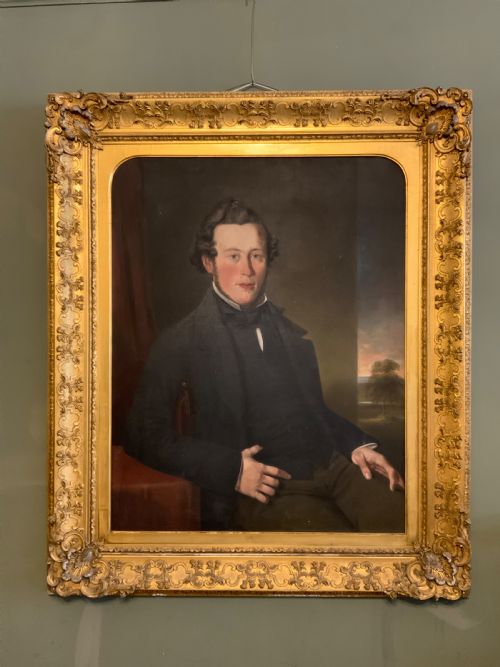
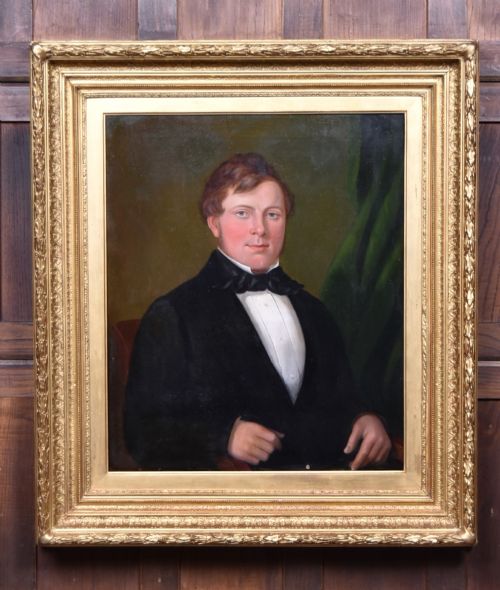
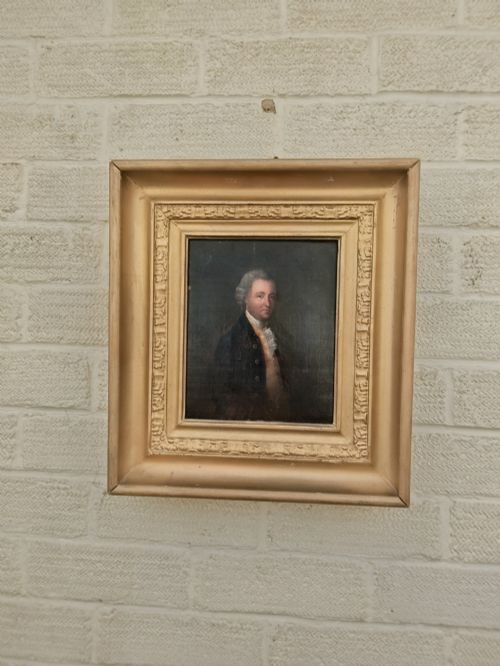
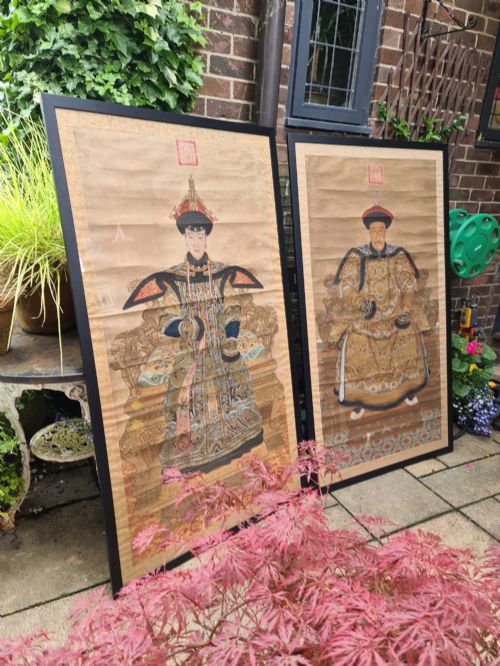
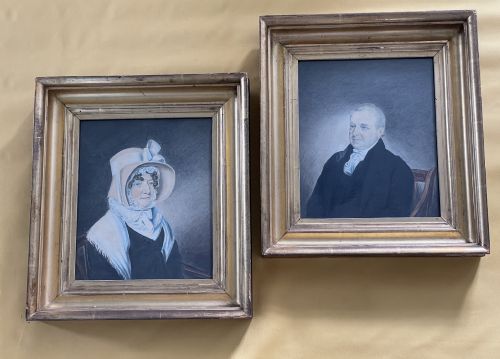
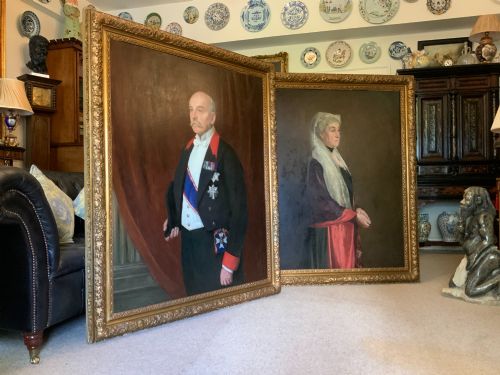
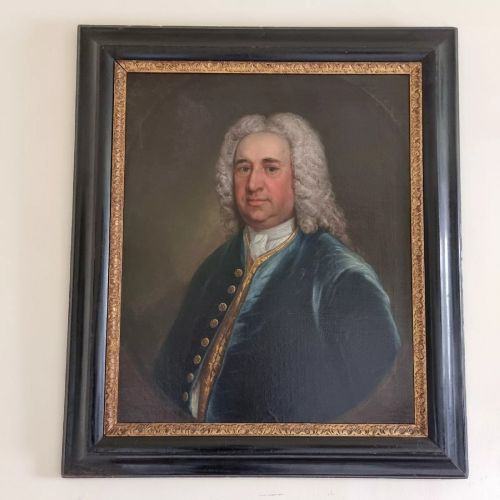
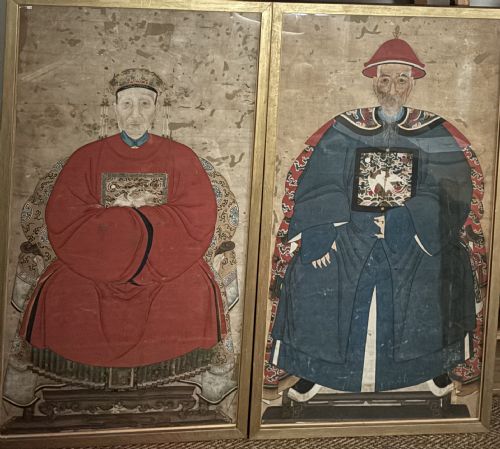
A framed ancestor portrait is a historical likeness intended to preserve the memory of a specific person, often executed in oil on canvas, watercolour, or pigment on paper. These pieces span the eighteenth, nineteenth, and early twentieth centuries, capturing subjects ranging from European gentlemen to Chinese dynastic dignitaries.
The versions met most frequently on this page include nineteenth-century oil paintings of gentlemen and traditional Chinese ancestor paintings or scrolls. Buyers encounter single works as well as matched pairs, framed in period timber, giltwood, or glass.
How they were made
Makers utilised traditional supports such as canvas, heavy paper, tinplate, and glass, applying oil pigments, watercolours, or mineral colours by hand. Chinese works often employed meticulous pigment application on paper or silk scroll mounts, whilst European works favoured canvas stretched over wooden frames.
Framing forms an integral part of the construction, utilising gold leaf, carved wood, and giltwood. Many pieces survive in their original frames, which protect the fragile painted surfaces and maintain the historical integrity of the artwork.
Listings feature wood, paper, oil on canvas, glass, gold leaf, silk, giltwood, and pigment across the eighteenth, nineteenth, and early twentieth centuries.
What varies in quality
The calibre of a framed ancestor portrait rests upon the precision of the brushwork and the psychological presence captured by the artist. Finer examples display meticulous facial detailing and vibrant, well-preserved pigments, whilst simpler naive works rely on charming simplicity.
The survival of the original frame and the stability of the primary medium significantly influence the character of the piece. Works retaining their untouched nineteenth-century or eighteenth-century mounts offer a more complete historical statement.
The Framed Ancestor Portrait Glossary
- Oil on Canvas
- Pigment mixed with drying oil applied to a woven fabric support. This technique allows for rich depth of colour and subtle tonal blending.
- Reverse Glass Painting
- An artwork applied directly to the back of a glass panel and viewed from the front. This method imparts a distinctive glossy finish and brilliant luminosity.
- Giltwood
- Wood carved and coated with a thin layer of gold leaf or metallic powder. It provides a luminous, decorative border that complements formal portraits.
- Folk Art
- Artistic work created within a traditional culture by self-taught makers. These pieces prioritise expressive character over academic perspective rules.
- Porcelain Plaque
- A flat ceramic panel fired with painted imagery. This durable medium preserves vibrant pigments and fine detail over centuries.
Framed Ancestor Portrait: Frequently Asked Questions
How do I hang a heavy framed ancestor portrait safely?
Heavy works require secure picture hooks fixed directly into wall studs or appropriate masonry fixings.
Ensure the hanging wire or brackets on the original frame can support the total weight before mounting.
Can I place these portraits in direct sunlight?
Direct sunlight causes fading in organic pigments, watercolours, and paper supports over time.
Position these artworks away from south-facing windows to preserve the integrity of the original colours.
How should I clean the glass on a reverse glass painting?
Apply a mild, non-ammonia glass cleaner to a soft cloth rather than directly onto the surface.
Wipe gently to avoid moisture seeping beneath the glass and disturbing the delicate pigments behind.
What is the difference between Chinese ancestor scrolls and oil portraits?
Chinese ancestor scrolls utilise pigment on paper or silk, traditionally created to honour lineage and familial memory.
European oil portraits on canvas focus on individual likeness using layered oil paints within ornate timber frames.