





Framed Academic Oil Artwork
Framed academic oil artwork brings rigorous training and precise portraiture into domestic rooms, capturing nineteenth-century scenes with polished realism.
Framed Academic Oil Artwork
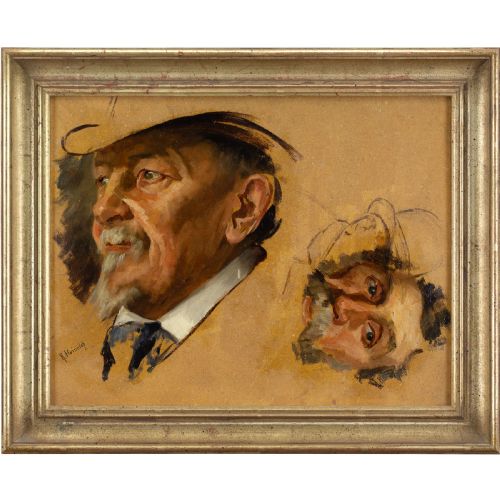
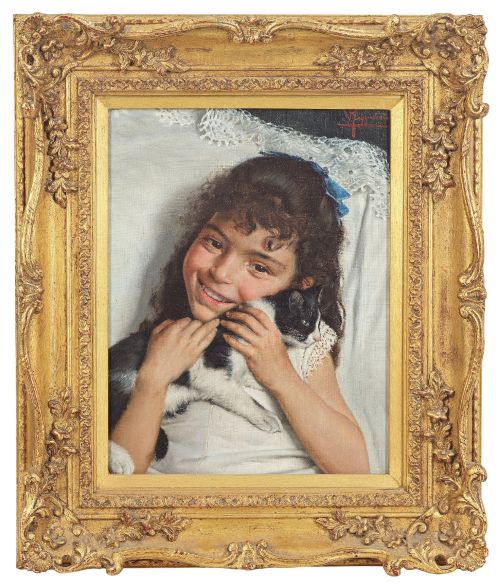
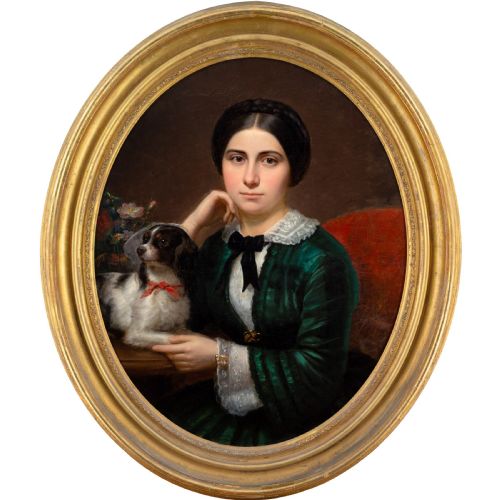
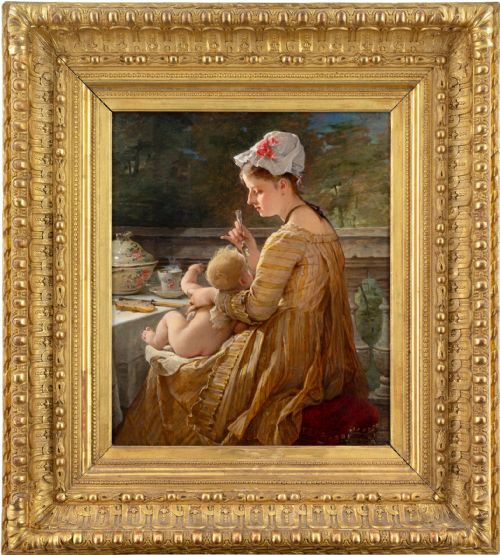
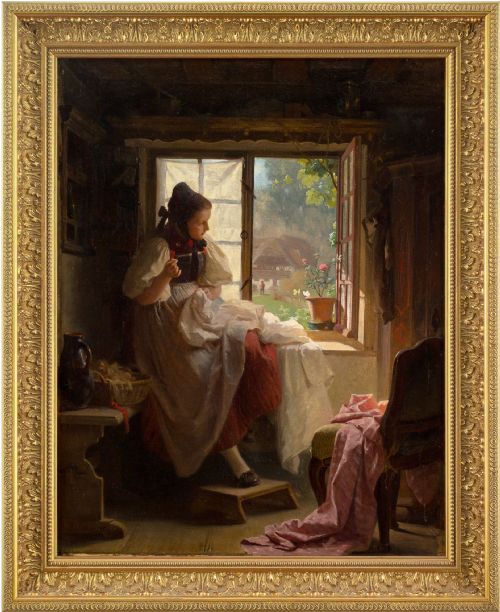
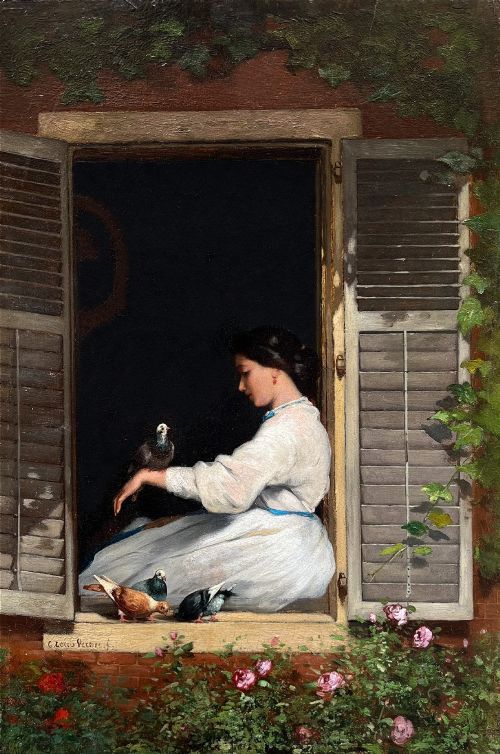
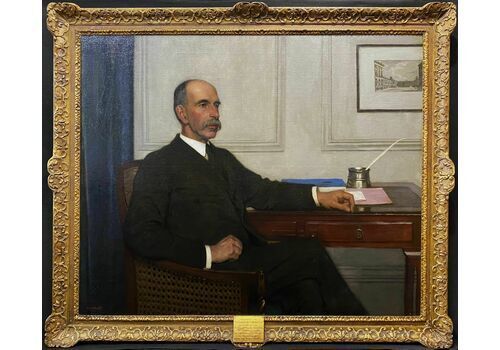
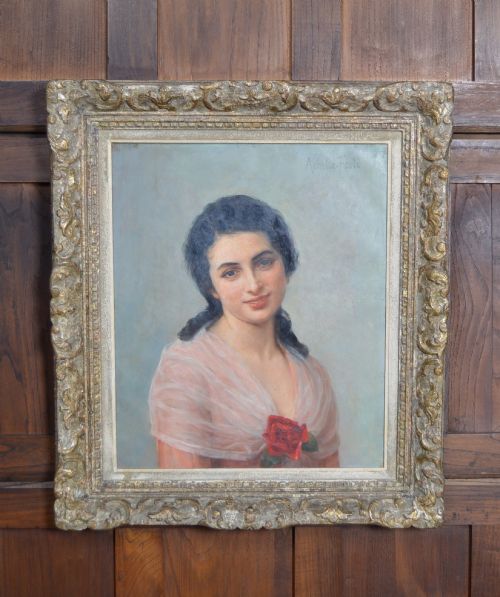
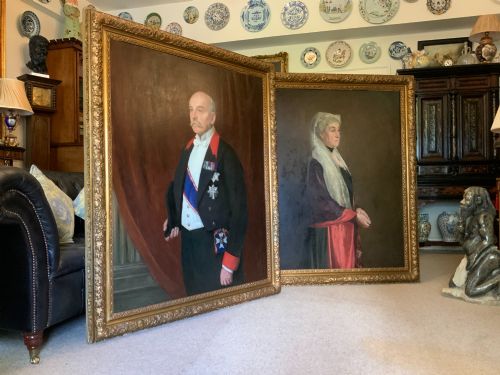
When browsing framed academic oil artwork, collectors encounter nineteenth-century canvases and panels rooted in strict European school training. These works typically depict formal portraits, historical genre scenes, and mythological subjects executed with meticulous precision.
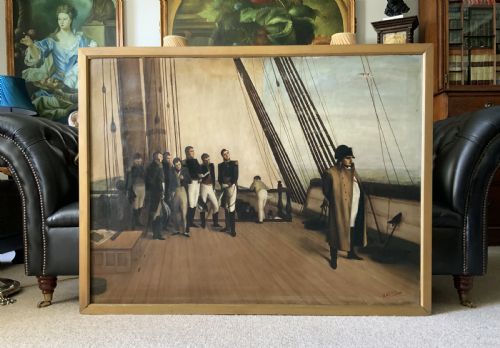
The pieces on this page heavily represent French, Italian, and British academic traditions spanning from the mid-nineteenth century into the early twentieth century. Subjects range from solitary figures in interior settings to large historical militia compositions and detailed studies of hands or feet.
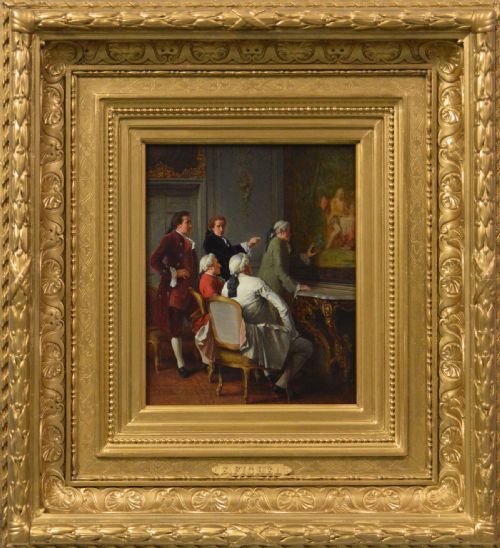
Most examples arrive enclosed in heavy giltwood or carved wooden frames that complement the formal nature of the paintings. Buyers select these works to bring structured composition and narrative depth into period interiors.
Materials and construction methods
Artists painted primarily with oil paint on stretched canvas or prepared wooden panels, occasionally utilising oil on paper for preliminary studies. These traditional grounds allowed painters to build up smooth, layered glazes and achieve fine tonal gradations.
The surrounding frames consist of wood, frequently finished with heavy gilding or carved giltwood details designed to accentuate the depth of the painted surface. Master framing protected the edges of the canvas and added structural rigidity to the finished piece.
Assessing quality in academic paintings
Quality rests in the precision of the draughtsmanship, particularly in the rendering of hands, fabrics, and facial expressions. Superior pieces demonstrate complete command of light and shadow, creating realistic volume and texture without visible stiffness.
The integrity of the original surface and the condition of the giltwood frame significantly influence the standing of a piece. Works retaining their original stretched canvas and period-appropriate carved frames hold greater visual cohesion.
Vittorio Reggianini·Adelaïde Salles-Wagner·Max Kaltenmoser·Louis Charles Verwee·Achille Fould·Alfred Arthur Brunel de Neuville·Johann Hamza·Benjamin Eugene Fichel·Charles Zacharie Landelle·André Charles Voillemot·Ferdinand Victor Leon Roybet·Allan Douglas Davidson·Gabriel Puig Roda·Alfred Holst Tourrier·Frank Hyde·Thomas Couture·James Clark·Antonietta Brandeis·Fernand Jean Barbier·Hans Temple·Paul Leon Jazet·Paul Viry
The Framed Academic Oil Artwork Glossary
- Academic Realism
- A style of painting born from the teachings of nineteenth-century European art academies. It emphasises strict adherence to classical forms, smooth brushwork, and high technical skill.
- Genre Painting
- The pictorial representation of scenes from everyday life. These works typically feature ordinary people engaged in common activities, such as playing cards or working in a bakehouse.
- Giltwood
- Wood that has been treated with a thin layer of gold leaf or gilt powder. This material was widely used for ornate nineteenth-century picture frames.
- Oil on Panel
- A painting executed on a flat wooden board rather than woven canvas. Panels provided a rigid support that allowed for extremely minute brushwork.
- Provenance
- The documented history of ownership of an artwork. Tracing provenance helps verify the authenticity and exhibition history of nineteenth-century pieces.
Framed Academic Oil Artwork: Frequently Asked Questions
What is academic art?
Academic art refers to paintings and sculptures produced under the influence of European academies of art, particularly the French Academy. These works follow strict classical standards regarding composition, historical subject matter, and realistic rendering.
Artists trained for years to master anatomy and perspective before producing these finished studio pieces. The resulting paintings display high technical polish and deliberate narrative themes.
How should I hang a heavy gilt frame?
Heavy giltwood frames require secure wall fixings anchored directly into masonry or wall studs to support the substantial combined weight of the wood and canvas. Professional picture hangers utilise heavy-duty wire and double-point brackets to distribute the load evenly.
Position the artwork at eye level away from direct sunlight and strong heat sources. Stable indoor temperatures prevent the wooden frame and canvas from expanding and contracting.
How do I identify nineteenth-century academic paintings?
Look for smooth brushwork where individual strokes remain nearly invisible, a hallmark of rigorous academy training. Subjects often lean towards classical mythology, formal portraiture, or highly detailed historical genre scenes.
Signatures, dates, and inscriptions on the reverse canvas or stretcher bars frequently provide clues to the artist and origin. Period frames made of carved giltwood also point toward nineteenth-century workshop practices.
How do I care for an oil painting?
Dust the surface gently using a soft, dry artist brush or microfiber cloth without applying pressure. Avoid using water, chemical cleaners, or damp cloths on the oil surface or the gilded frame.
Keep the painting in a room with stable humidity levels to protect the wooden panel or canvas stretcher from warping. Professional conservators should handle any cleaning or varnish removal.