





Foxhound Art
Foxhound art captures the pace and spirit of the chase, bringing historic canine subjects and traditional field sports into your home.
Foxhound Art
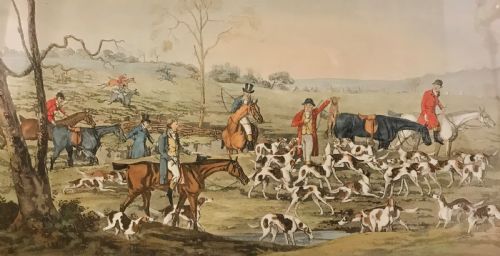
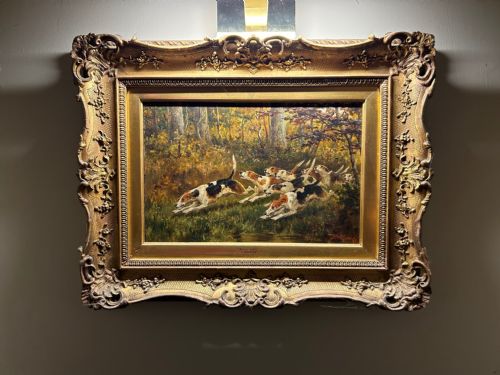
Foxhound art encompasses paintings, watercolours, drawings, prints, and photographs depicting hunting dogs and hounds engaged in field sports across various centuries. Buyers seeking these works will encounter traditional British sporting art alongside Victorian and mid-century interpretations of the hunt.
The pieces listed on this page range from detailed nineteenth-century oil paintings on canvas and wood to hand-coloured engravings and pencil drawings. Such works frequently capture specific moments in the field, from full cry scenes to individual hound portraits.
Originating predominantly from British sporting traditions, these artworks reflect the cultural significance of the hunt through diverse mediums including oil, watercolour, ink, and lithography. Collectors can find both intimate pencil sketches and large-scale portraits of hounds within this selection.
What separates the finest works
The distinction between standard decorative pieces and superior works lies in the artist's anatomical precision and ability to convey the energy of the hounds. Master painters render muscle structure, fur texture, and dynamic motion with a conviction that lesser hands miss.
Provenance and attribution elevate certain pieces, particularly those bearing signatures from established sporting artists or associated with notable historic hunts. The handling of light, winter snow, or landscape integration further separates ordinary depictions from exceptional visual records.
Foxhound Art Retail Price Guide 2026
Typical asking prices for foxhound art among the pieces listed under this phrase on Sellingantiques today, from the lower quarter to the upper quarter. They describe what is for sale here now, not the wider market.
Listings feature works spanning from the Georgian era through the mid-twentieth century, utilising oil, watercolour, and engraved paper.
Fannie Moody·Alfred Duke·Charles Clifford Turner·Tom Carr·Heywood Hardy·Thomas Blinks·Henry Frederick Lucas-Lucas·J F Herring
The Foxhound Art Glossary
- Sporting art
- A genre of painting, drawing, and printmaking dedicated to depicting rural sports, animals, and the equestrian life. It forms the primary category for canine and hunt imagery.
- Full cry
- A term describing hounds in active pursuit of the quarry while baying together. It is a frequent subject in dynamic nineteenth-century paintings.
- Engraving
- A printmaking technique where an image is incised onto a metal plate to hold ink. These works were often published in sets or individually.
- Lithography
- A planographic printing process used to produce multiple impressions of an original drawing. It gained popularity for reproducing sporting prints in the nineteenth century.
- Provenance
- The documented history of ownership of an artwork. It helps establish authenticity and historical context for signed pieces.
Foxhound Art: Frequently Asked Questions
How do I date a foxhound painting?
Dating relies on stylistic clues, framing materials, canvas preparation, and artist signatures where available. Nineteenth-century works often exhibit specific handling of landscape backgrounds and hound conformation typical of the period.
Examining the reverse of the canvas or wood panel can reveal old labels, stamps, or inscriptions that narrow down the creation date. Comparing the attire of huntsmen and the style of the engraving or paint application provides further chronological context.
What is the difference between an original painting and an engraving?
An original painting is a unique work created directly by the artist using mediums such as oil or watercolour on canvas, wood, or paper. Each brushstroke is singular and executed by hand.
An engraving is a printed reproduction created from an incised metal plate, allowing multiple copies to be distributed. While prints like lithographs or engravings can be hand-coloured, they remain multiples rather than one-of-a-kind artworks.
Where should I hang sporting art at home?
Sporting art traditionally suits studies, libraries, and hallways where traditional wood furniture and rich interior tones complement the subject matter. These pieces bring warmth and a sense of historic narrative to domestic spaces.
Avoid placing oil paintings or works on paper in direct sunlight or areas of high humidity to protect the canvas, paper, and gold leaf frames. Proper placement ensures the longevity of both the pigments and the structural framing.
How do I identify individual hounds in these artworks?
Artists often inscribed the names of specific dogs directly onto the mount, canvas, or title of the work, as seen in traditional hound portraits. Breed characteristics, such as the distinctive build of American foxhounds compared to their British counterparts, offer further visual clues.
Studying the composition helps; portraits frequently isolate the animal for study, whereas action scenes depict the pack working in unison across a landscape.