



Fox Oil Painting
These fox oil painting works capture canine portraits, pursuit scenes and country landscapes across Georgian, Victorian and Edwardian periods.
Fox Oil Painting
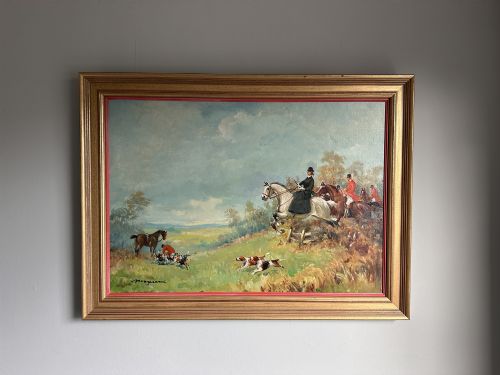
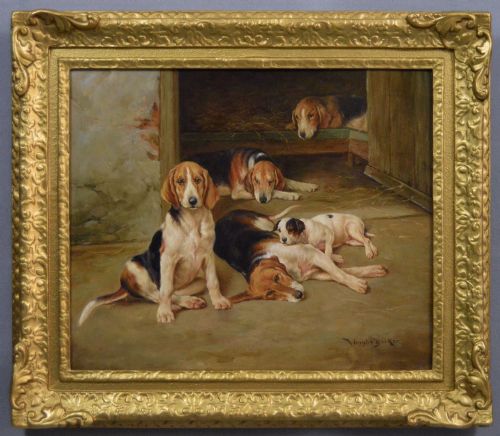
A fox oil painting depicts wildlife, hunting scenes or specific canine subjects rendered in oils upon canvas, board or wood panels. Buyers seeking these works find depictions ranging from intimate terrier portraits to large rural hunts.
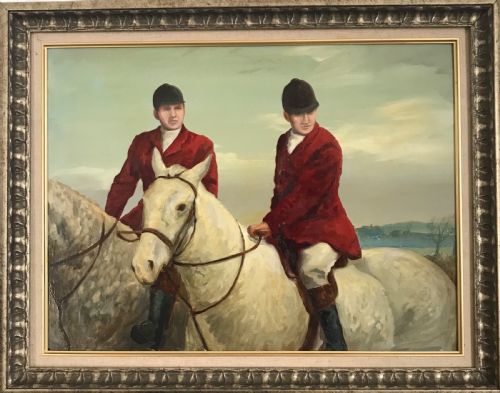
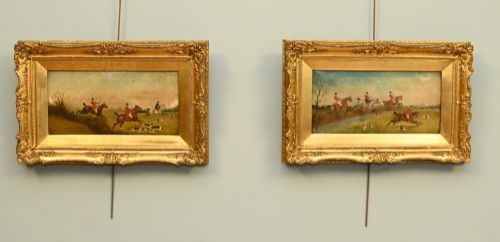
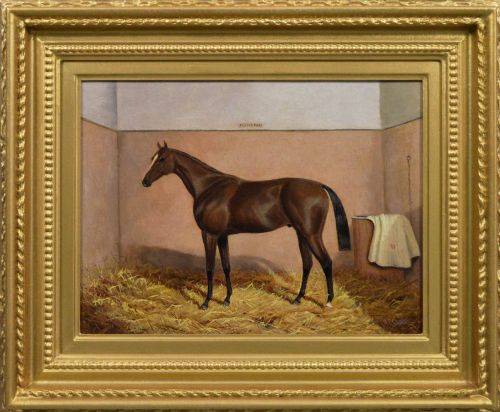
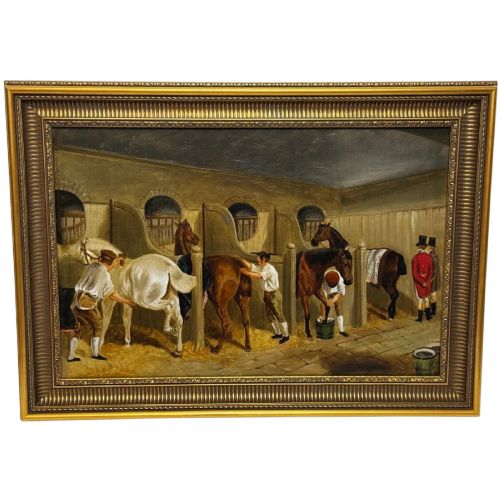
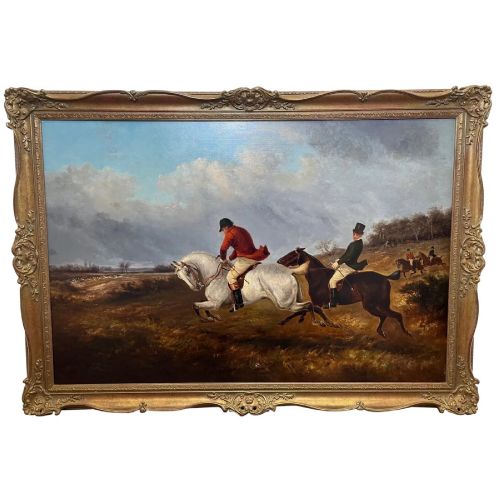
The pieces on this page appear predominantly from the nineteenth century, including Victorian sporting art alongside Georgian and early twentieth-century examples. These works often show hounds, horses and huntsmen alongside the wildlife.
Framing is frequently substantial, utilising giltwood and gilt wood frames that complement the traditional subject matter. The origins span British sporting art traditions, capturing both rural landscapes and specific animal studies.
Materials and methods
These works utilise oil paint applied to canvas, stretched canvas, wood boards or wood panels. The application ranges from smooth portraiture to textured brushwork depicting winter snow or rural landscapes.
Frames are constructed from wood and embellished with gold leaf, creating heavy giltwood surrounds that protect and elevate the artworks. Many canvases remain in their original or period frames.
Fox Oil Painting Retail Price Guide 2026
Typical asking prices for fox oil painting among the pieces listed under this phrase on Sellingantiques today, from the lower quarter to the upper quarter. They describe what is for sale here now, not the wider market.
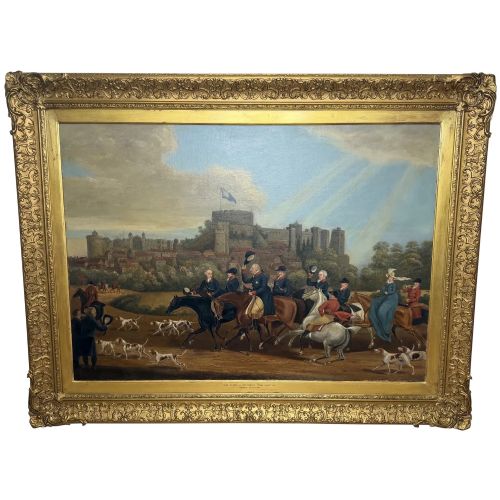
Among the galloping horses and stern huntsmen, a few fox terrier puppies manage to steal the entire scene.
Judging quality
Quality rests upon the anatomical precision of the animals, the depth of the landscape perspective and the handling of light. Master artists render movement in horses and hounds with convincing energy, whereas weaker works lack dynamic proportion.
The condition of the oil paint surface and the originality of the frame heavily influence the standing of a piece. Works retaining their untouched nineteenth-century surface show greater fidelity to the original vision of the artist.
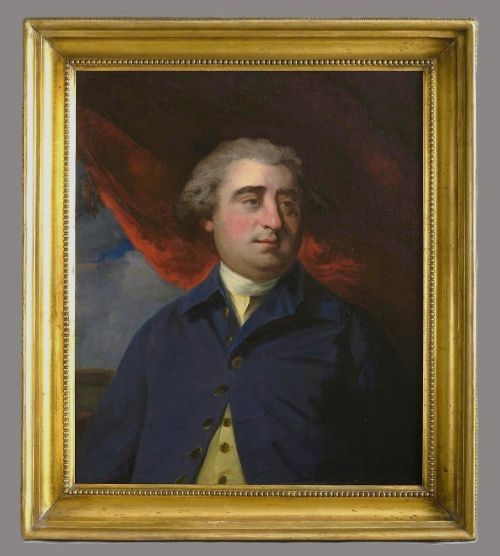
Sir Joshua Reynolds·Thomas Smythe·Albert Clark·John Arthur Lomax·Philip Henry Rideout·George Armfield·Valentine Thomas Garland·Charles Faulkner·Fannie Moody·John Frederick Herring Jnr·John Sanderson-Wells·Heywood Hardy·Guillaume Urban Régamey·George Goodwin Kilburne·Geoffrey Mortimer·Edward B Herberte
The Fox Oil Painting Glossary
- Oil on Canvas
- A painting medium where pigments bound in oil are applied to a woven fabric stretched across a wooden frame. This combination allows for rich colour blending and texture.
- Giltwood
- Wood that has been coated with a thin layer of gold leaf or metallic gilt. It provides ornate, reflective framing for traditional artworks.
- Sporting Art
- Genre of art depicting rural sports, horse racing, hunting scenes and animal portraits. It flourished particularly during the Georgian and Victorian eras.
- Oil on Wood
- Technique involving the application of oil paint directly to a wooden panel or board rather than canvas. It provides a rigid, stable support for detailed brushwork.
- Portrait
- A painting representing a specific animal, person or group. In this context, it often refers to individual studies of hounds, terriers or racehorses.
Fox Oil Painting: Frequently Asked Questions
What is a fox oil painting?
A fox oil painting is a traditional artwork depicting foxes, hunting scenes, hounds or related sporting subjects rendered in oil paints.
These works date predominantly from the eighteenth, nineteenth and early twentieth centuries, created within British and European sporting art traditions.
How do I date a fox painting?
Dating relies on stylistic markers within the clothing of figures, the construction of the canvas stretcher and the framing.
Victorian and Georgian pieces carry distinct artistic conventions, costume details and framing styles that help establish their era of origin.
Where should I hang these paintings?
These works suit traditional reception rooms, studies or hallways where their rich gilt frames and rural subjects complement classic interior schemes.
Keep them away from direct sunlight and excessive moisture to protect the oil paint and canvas over time.
Are all these paintings British?
While the majority of pieces align with British sporting art traditions, the collection also includes continental European examples.
Subjects and styles reflect the shared European appreciation for equestrian and canine portraiture during the nineteenth century.