





Four Tier Shelf Unit
A four tier shelf unit brings functional display space to any room, drawing on periods from the Georgian era through to Edwardian times.
Four Tier Shelf Unit
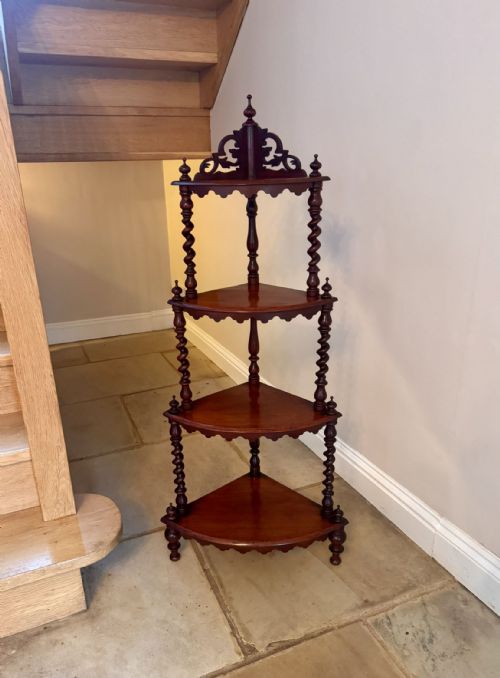
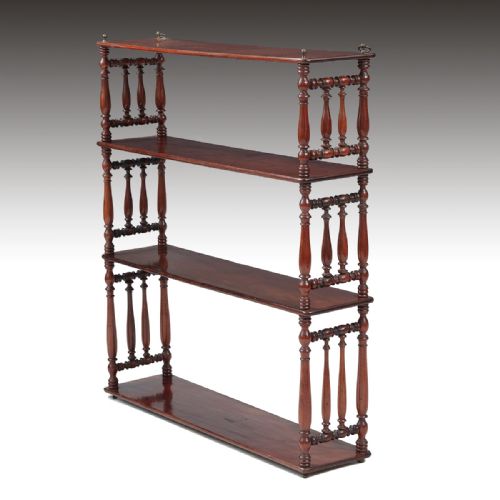
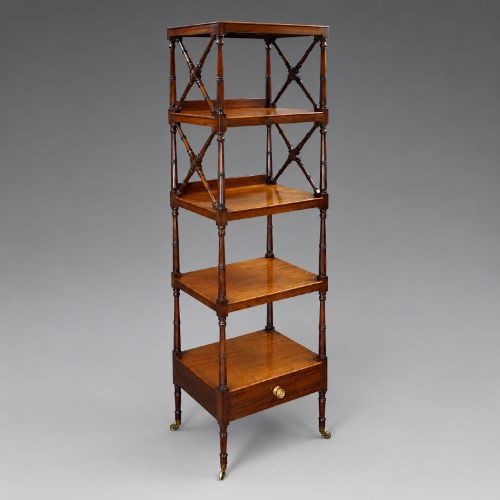
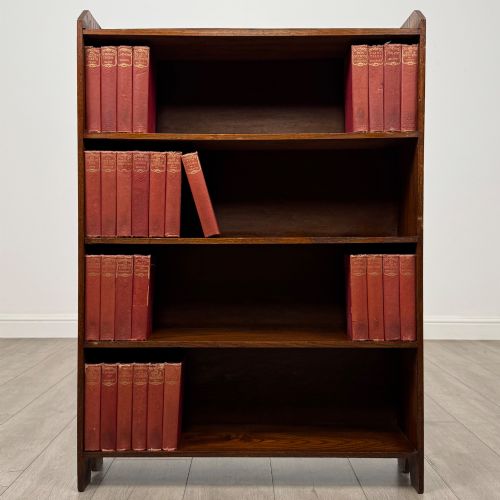
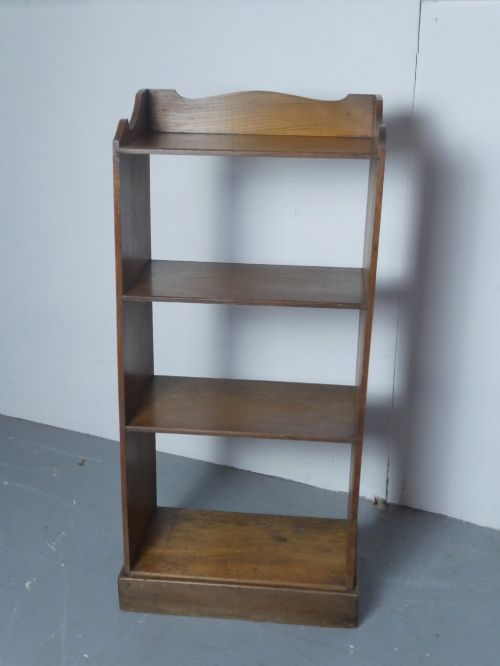
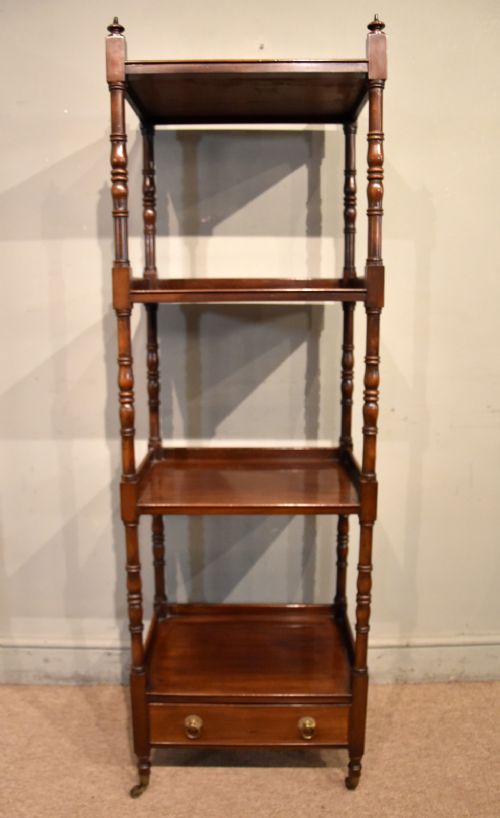
When searching for a four tier shelf unit, buyers encounter a variety of forms including whatnots, etageres, wall shelves, and open bookcases. These pieces originate from the Georgian, Regency, Victorian, and Edwardian periods.
The most common version met on this page is the freestanding mahogany or walnut four tier whatnot, often dating from the nineteenth century. These tiers provide stacked platforms intended for display and storage in domestic interiors.
Materials and construction methods
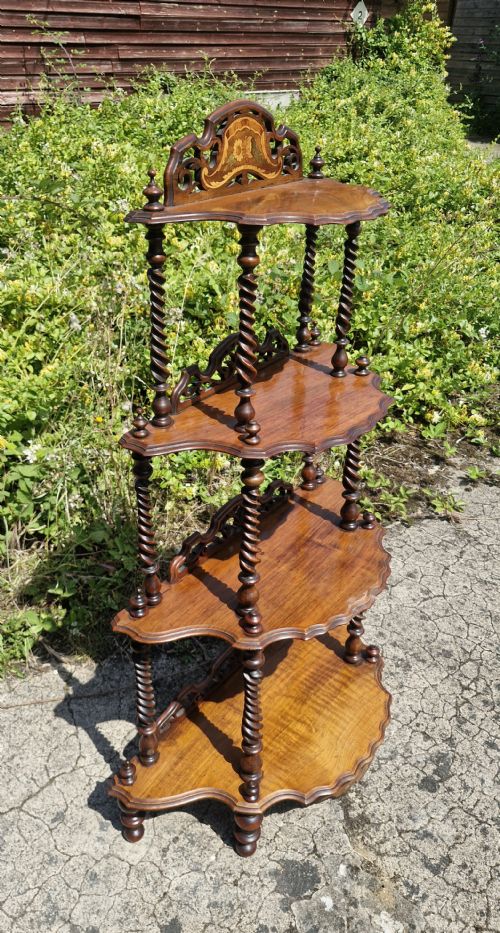
Cabinet makers utilised dense hardwoods such as mahogany, walnut, rosewood, and oak for structural stability across multiple levels. Burr walnut veneers and marquetry or wood inlay frequently decorate the primary surfaces of Victorian and Edwardian examples.
Joinery techniques secure individual shelves to vertical supports, sometimes augmented by brass fixtures or turned wooden columns. Selected pieces incorporate hanging brackets or wall mounts designed to distribute weight evenly.
Four Tier Shelf Unit Retail Price Guide 2026
Typical asking prices for four tier shelf unit among the pieces listed under this phrase on Sellingantiques today, from the lower quarter to the upper quarter. They describe what is for sale here now, not the wider market.
Some nineteenth-century makers evidently decided standard straight lines were optional when engineering corner whatnots for awkward parlour angles.
Distinctions in quality
The upper tier of craftsmanship appears in the precision of the timber selection, particularly where burr walnut or detailed marquetry inlay meets the supporting frame. Superior examples demonstrate tight joints between the tiers and upright supports, maintaining rigidity across all levels.
Subtle details such as turned wooden finials, brass accents, and well-figured mahogany grain elevate certain pieces above standard utility items. The integration of design elements like A-frame structures or corner configurations indicates deliberate planning by the maker.
The Four Tier Shelf Unit Glossary
- Etagere
- A French term for a display piece with several tiers, often synonymous with a whatnot. These items serve to hold small decorative objects.
- Marquetry inlay
- Decorative patterns formed by fitting contrasting pieces of wood veneer into a prepared surface. Craftsmen applied this technique to enrich the visual depth of Victorian walnut cabinets and stands.
- Corner whatnot
- A specialised tiered shelving unit shaped to fit directly into the corner of a room. This design maximises floor space while providing vertical display tiers.
- Hanging shelves
- Wall-mounted tiers of shelving constructed to save floor space. They frequently appear in Regency and Georgian styles utilising mahogany or other hardwoods.
Four Tier Shelf Unit: Frequently Asked Questions
What is a four tier shelf unit?
A four tier shelf unit refers to multi-level shelving pieces such as whatnots, etageres, and open bookcases designed for display.
These structures provide four distinct levels of surface area, appearing in various configurations from standing floor models to corner units and hanging shelves.
How were whatnots used originally?
Originally, these units served to hold books, ceramics, and ornaments in sitting rooms and parlours.
Their open design allowed owners to display prized possessions and keep everyday items within reach.
How do I identify a Victorian whatnot?
Victorian examples frequently utilise mahogany or walnut, sometimes incorporating burr walnut veneers and decorative wood inlay.
They tend to feature turned supports and sturdy framing across their multiple tiers, reflecting mid to late nineteenth-century cabinet-making styles.
Can these shelf units fit in modern rooms?
Yes, their vertical format makes efficient use of floor or wall space in contemporary homes.
Corner designs and hanging wall shelves integrate readily into smaller rooms while providing practical display areas.