



Four Light Fixture
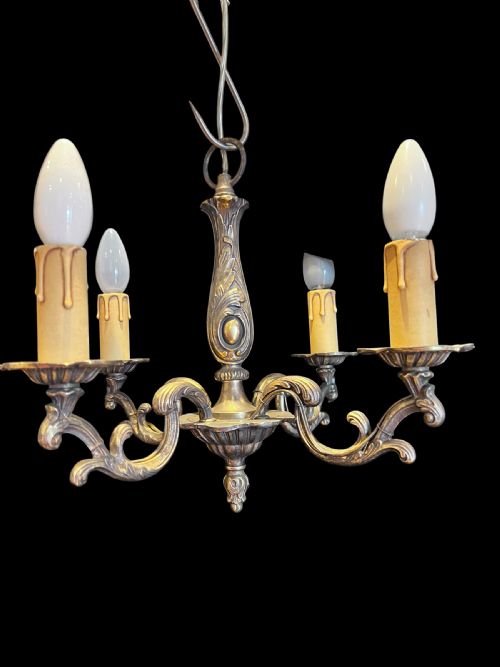
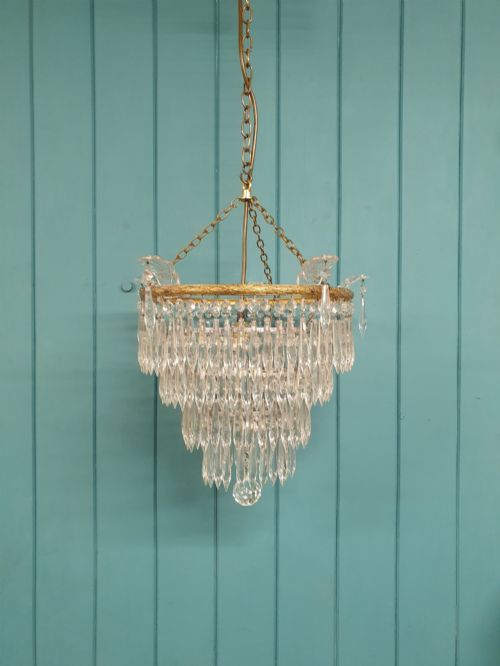
A four light fixture brings a balanced spread of illumination to a room, drawing the eye upwards with period brass, crystal and glass.
Four Light Fixture
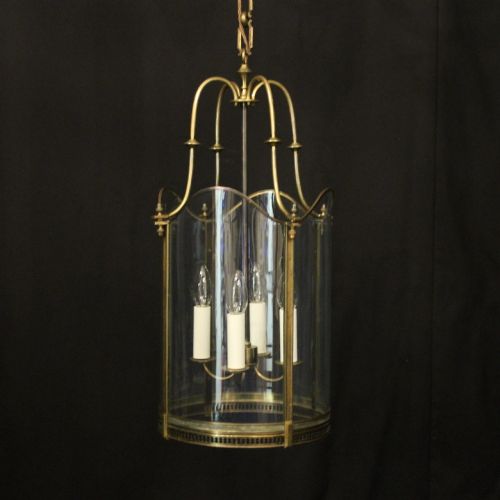
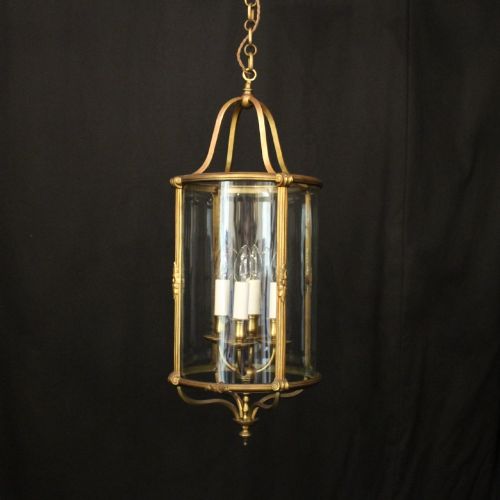
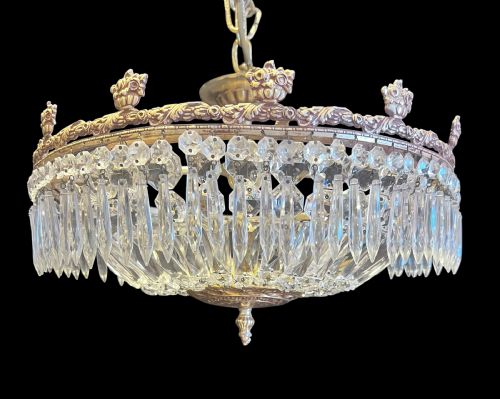
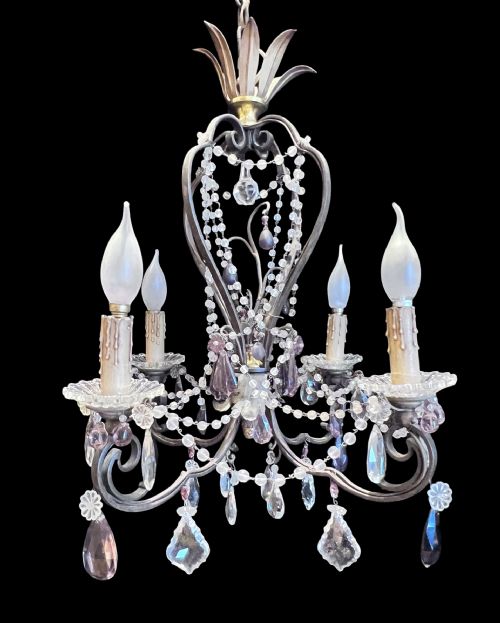
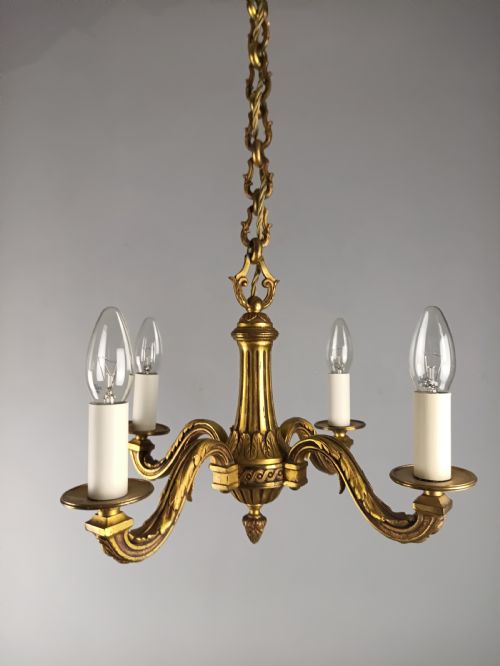
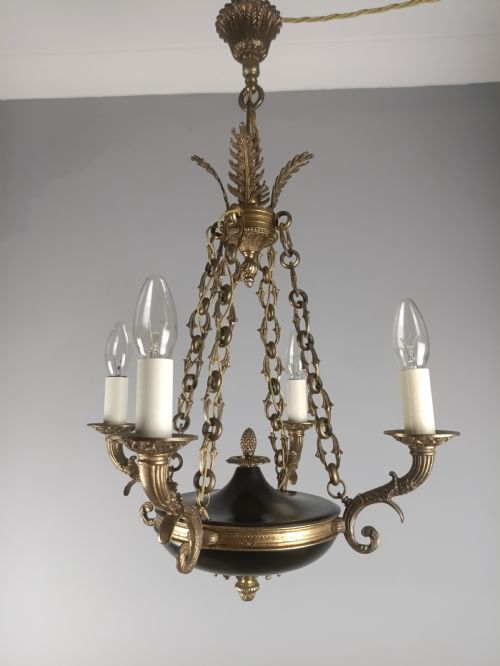
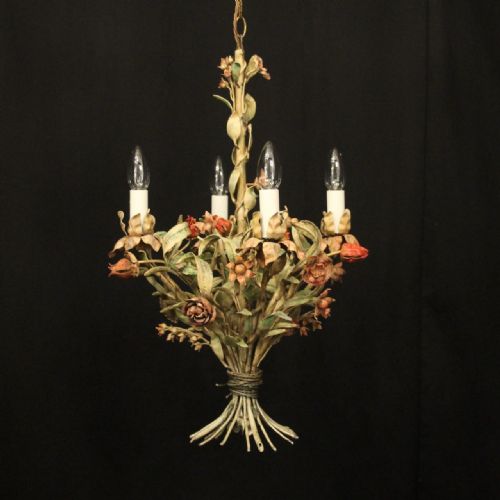
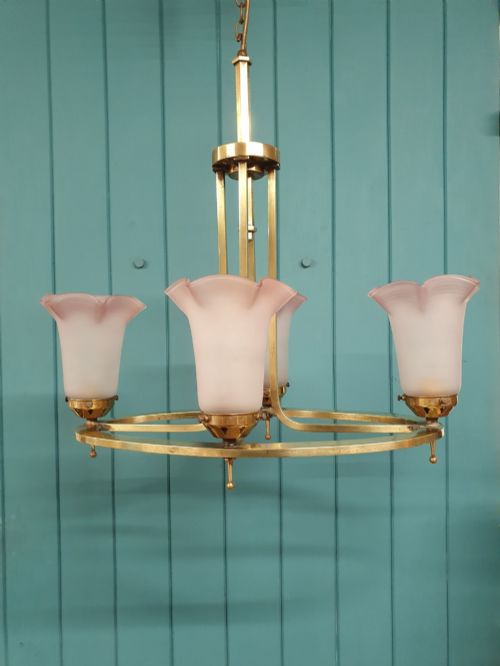
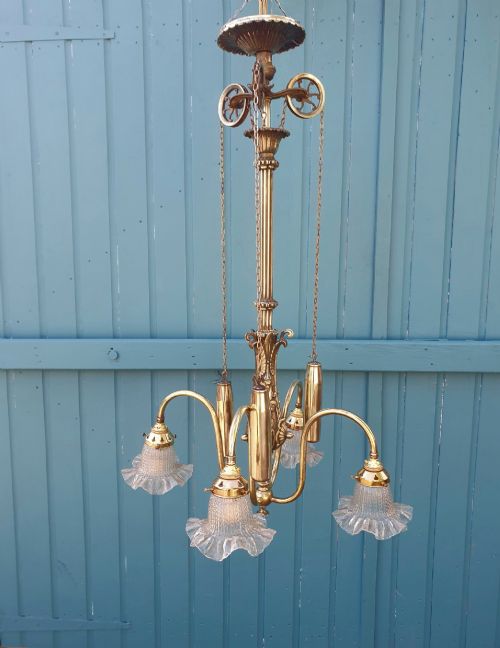
When you search for a four light fixture, you encounter a varied selection of antique chandeliers, hanging lanterns, wall lights, and ceiling lights. These pieces originate predominantly from the late nineteenth century through to the 1930s, encompassing Edwardian examples alongside French designs from periods such as Empire, Rococo, and Art Deco.
Origin and style define these fixtures, with French Chateau and Neoclassical influences appearing frequently alongside English Edwardian brasswork. Buyers select them to anchor a room's decorative scheme with authentic period metalwork and glass.
How they were made
Maker's workshops constructed these fixtures using cast brass, gilt bronze, or steel frames, often embellished with ormolu and gilt metal details. Metal components were shaped, chased, and gilded to achieve the rich surface finishes characteristic of French and English lighting.
Glass elements form a core component of construction, ranging from cut glass crystals and spiked chandelier drops to large convex panes set into hall lanterns. Artisans wired or fitted these frames to hold four distinct light points, combining structural metalwork with transparent or coloured glass.
Four Light Fixture Retail Price Guide 2026
Typical asking prices for four light fixture among the pieces listed under this phrase on Sellingantiques today, from the lower quarter to the upper quarter. They describe what is for sale here now, not the wider market.
Listings feature brass, gilt bronze, steel, and cut glass across periods spanning the nineteenth century to Art Deco 1930 designs.
What varies in quality
The distinction between tiers of quality rests on the crispness of the casting and the depth of the metal gilding. Finer pieces display sharply detailed bronze or brass work, whereas simpler items rely on plain stamped or spun metal surfaces.
Quality also shows in the material choice for the hanging elements, where heavy cut glass and clear crystal create superior light refraction compared to standard pressed glass. The integration of structural steel and brass in larger lanterns demonstrates a sturdier build intended for grander entryways.
G.E.C
The Four Light Fixture Glossary
- Plafoniere
- A ceiling light fixture mounted flush or semi-flush against the ceiling surface. These often feature glass bowls held within metal frames.
- Ormolu
- Gilded bronze, where a layer of gold is applied to a bronze base using mercury amalgamation or electrochemical methods. This technique imparts a rich, warm yellow lustre to antique mounts.
- Toleware
- Enamelled or painted sheet metal used for decorative objects and light fittings. It provides vibrant polychrome surfaces on period fixtures.
- Rise and fall
- A mechanical pulley mechanism allowing the hanging height of a chandelier to be adjusted manually. This design appeared frequently in Edwardian interiors for practical utility over tables.
- Sconce
- A wall-mounted light fixture designed to hold multiple bulbs or candles. Period examples utilise backplates attached to branching arms.
Four Light Fixture: Frequently Asked Questions
How do I identify an Edwardian piece?
Edwardian fixtures often feature solid brass construction, sometimes incorporating practical mechanisms like rise and fall pulleys.
Look for refined metalwork and proportions typical of the early twentieth century, occasionally attributed to makers such as G.E.C.
What is the difference between a lantern and a chandelier?
A chandelier uses branching arms to hold multiple exposed lights, frequently adorned with crystal drops and glass spikes.
Lanterns enclose the light source within a framed glass box or convex case, often suspended by a chain in hallways.
Are these fixtures wired for modern use?
Antique lighting requires assessment and rewiring by a qualified electrician to meet current safety standards.
Retaining the original brass and bronze frames allows you to update the internal electrical components safely.