



Footed Brass Vessel
These footed brass vessel pieces bring warmth and weight to a room, ranging from 19th-century planters to heavy coal buckets.
Footed Brass Vessel
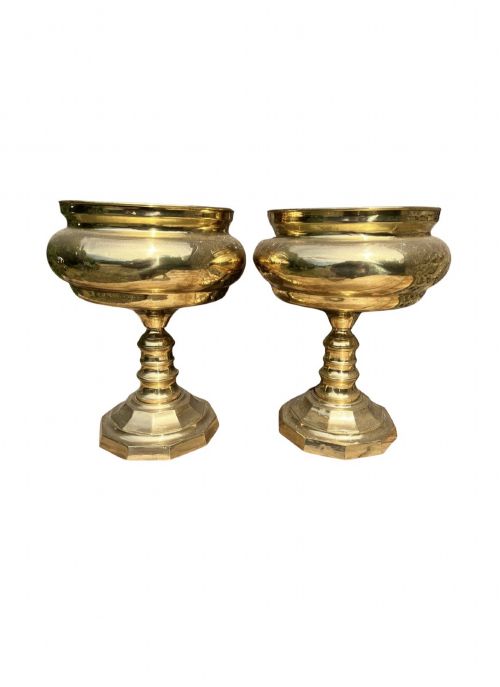
When you search for a footed brass vessel, you encounter a robust selection of metalwork designed primarily for holding plants, fuel, or water. The core of this inventory comprises jardinieres, planters, coal buckets, and decorative bowls dating from the 18th century through to the Edwardian period.
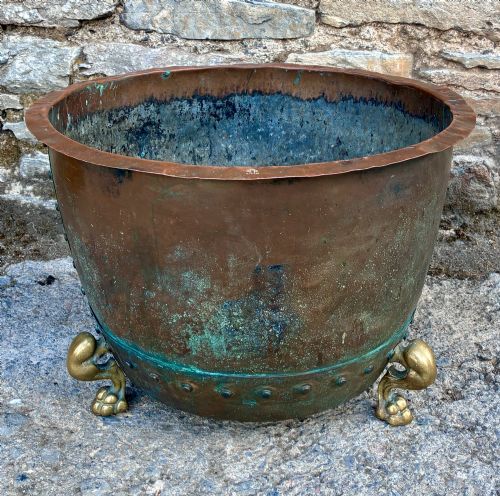
The most common forms you will meet on this page are brass and copper jardinieres alongside hearth accessories like coal scuttles and cauldrons. Many pieces sit upon distinct feet, elevating the metal body from the floor or tabletop.
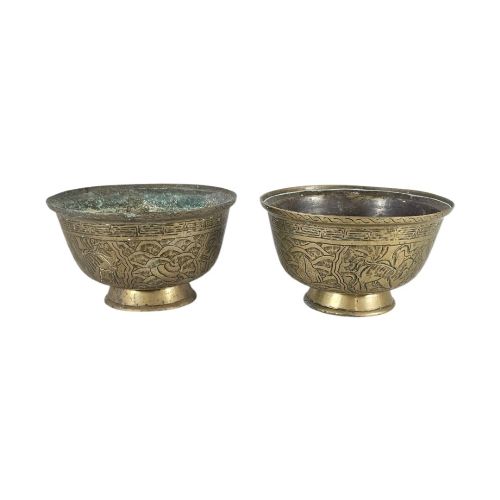
Origins vary across European and Asian traditions, including Dutch, French, and English workshops alongside late Qing Dynasty Chinese bronze bowls. Each object serves a practical domestic function while displaying ornamental surface detail.
How they were made
The construction of a footed brass vessel relies on heavy sheet metals such as brass, copper, and bronze, sometimes paired with iron components or rivets. Artisans shaped these materials through beating, casting, and repoussé techniques.
Handbeating and embossing create the textured surface patterns seen on French repoussé planters and English coal bins. Riveting secures structural seams on boilers and buckets, while casting produces thick rims and sturdy feet.
Footed Brass Vessel Retail Price Guide 2026
Typical asking prices for footed brass vessel among the pieces listed under this phrase on Sellingantiques today, from the lower quarter to the upper quarter. They describe what is for sale here now, not the wider market.
Some heavy coal buckets likely survived decades of rough fireside service only to retire as luxury plant pots.
What varies in quality
Metal thickness and structural integrity set the heavier coal buckets and cauldrons apart from lighter decorative items. Substantial gauge metal resists dents and maintains stability on its feet during daily use.
The crispness of hand-embossed detail and the finesse of the repoussé work distinguish standard production from finer workshop pieces. Pierced metalwork requires precise execution to preserve the strength of the cylinder.
William Soutter & Sons
The Footed Brass Vessel Glossary
- Jardiniere
- An ornamental pot or stand for holding plants or flowers. These vessels often feature a wide rim and a footed base.
- Repoussé
- A metalworking technique where the artisan hammers the metal from the reverse side to form a raised design in relief on the front.
- Dinanderie
- Medieval and later European brass or copper wares, particularly those produced in the Meuse Valley region. The term applies to domestic and ecclesiastical metal objects.
- Coal scuttle
- A bucket or container specifically designed for holding coal near a fireplace. They frequently incorporate handles and footed stands for hearth placement.
Footed Brass Vessel: Frequently Asked Questions
What were footed brass vessels used for?
These vessels served various practical and decorative roles in historic homes, primarily acting as indoor planters for ferns or holding coal and logs beside the fireplace. Their robust construction handled heavy loads of fuel or damp earth with ease.
Over time, many of these utilitarian objects transitioned into pure display pieces. Their polished metal surfaces reflected firelight and brightened dark corners of period rooms.
How do I clean a brass vessel?
Cleaning depends on the desired appearance and the presence of historic patina. Many collectors prefer to leave the aged surface untouched, as dark oxidation adds depth to handbeaten or repoussé details.
If polishing is necessary, use a mild metal cleaner suitable for brass or copper. Avoid abrasive cloths that might scratch softer historic surfaces or wear away thin embossed patterns.
How do I date an antique brass vessel?
Dating relies on observing manufacturing methods, such as the presence of hand-cut rivets, cast feet, or specific styles like Victorian pierced work and Edwardian proportions. Maker marks, where present, help pinpoint the origin.
Design influences also guide the period, ranging from 18th-century Dutch traditions to late Qing Dynasty Chinese motifs. Comparing the weight and construction style provides further clues to the age.
Can I use these vessels for modern plants?
Many jardinieres and bowls function well for housing potted plants today. Using a plastic nursery pot inside the metal vessel prevents direct moisture contact and protects the historic interior from corrosion.
Ensuring the vessel remains dry after watering preserves the metal and prevents verdigris buildup on the interior surface. This simple precaution lets you enjoy antique metalwork in contemporary living spaces.