
Folk Art Wooden Statue
A folk art wooden statue brings direct character and handmade warmth into a room, spanning rustic animals, tradesmen and devotional figures.
Folk Art Wooden Statue
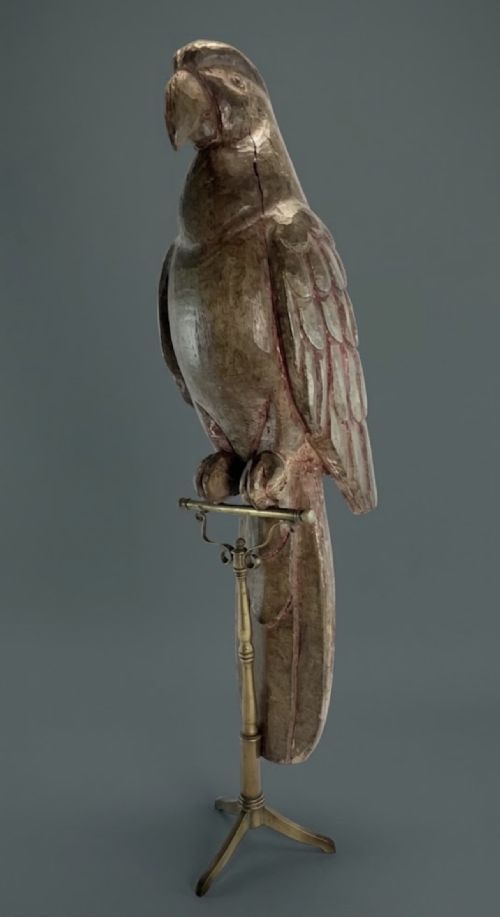
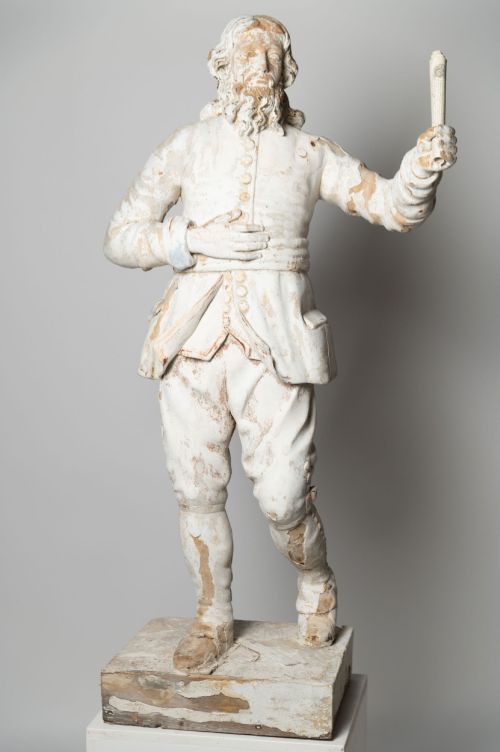
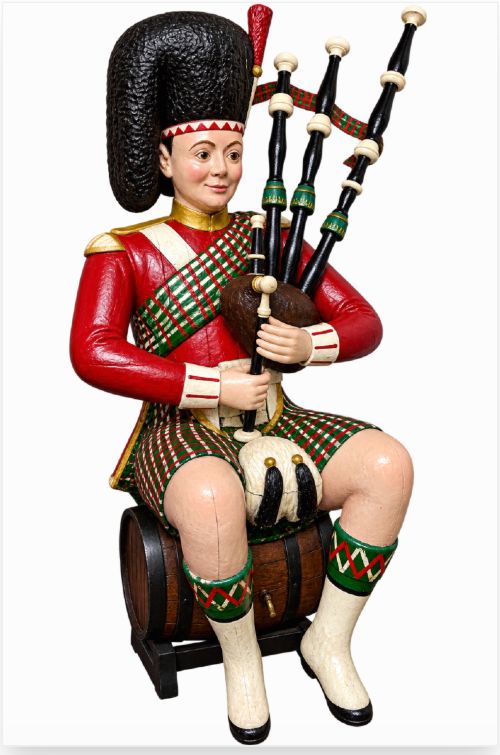
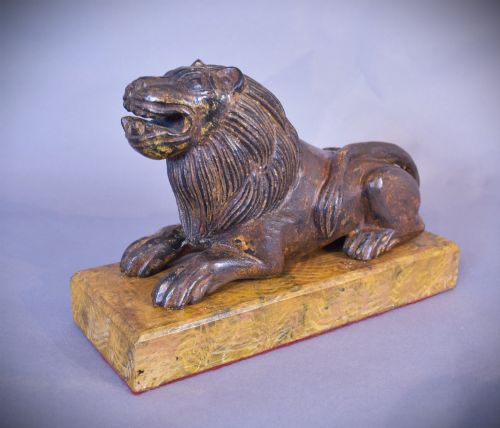
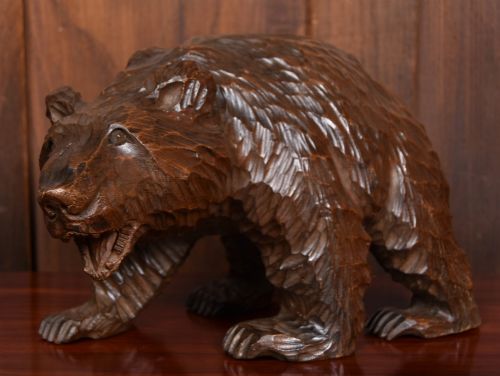
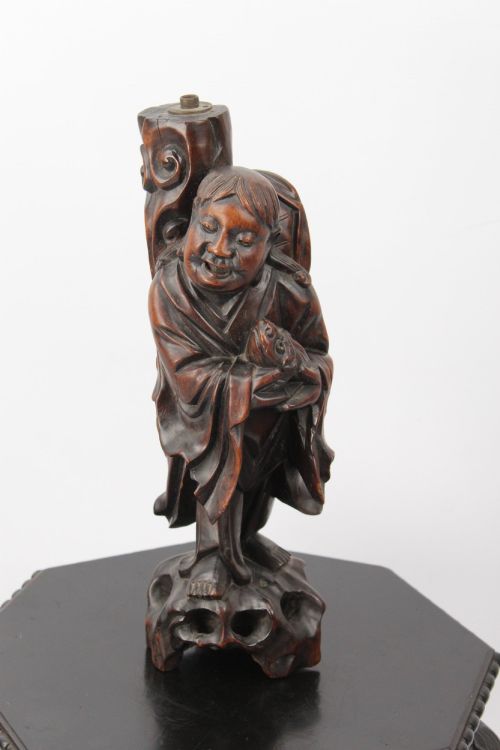
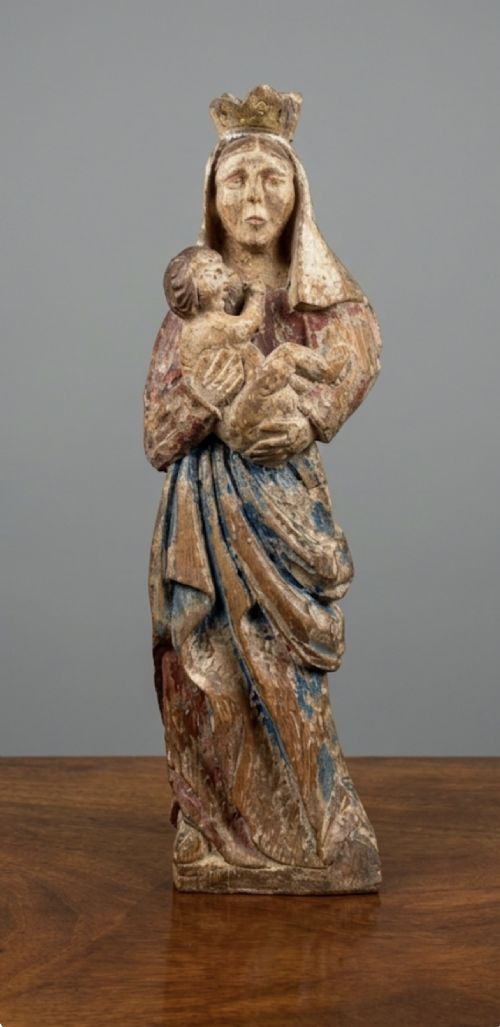
A folk art wooden statue represents a diverse range of hand-carved objects spanning animal forms, human figures, and religious subjects created across the seventeenth, eighteenth, nineteenth, and early twentieth centuries. These carvings emerge from distinct global traditions, encompassing European Black Forest works, Japanese wooden bears, Chinese depictions of immortals, and traditional trade signs.
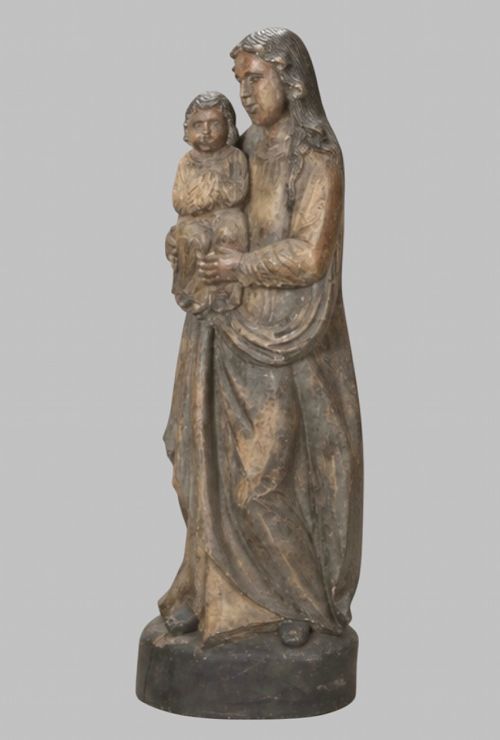
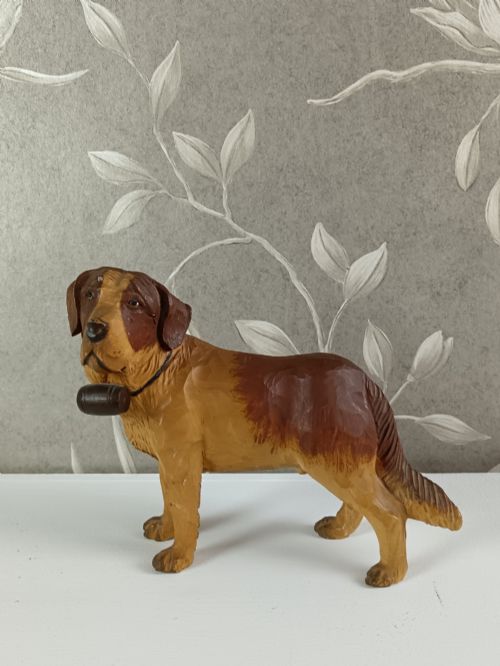
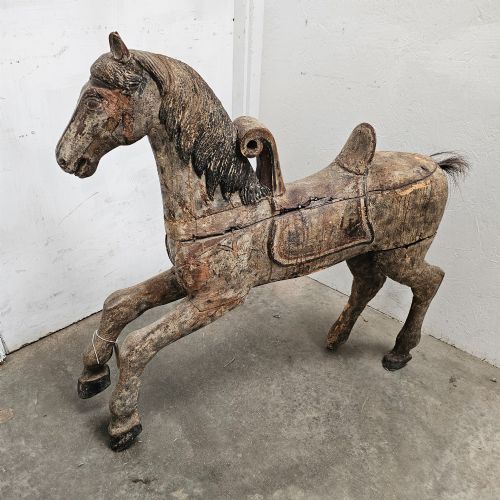
The most common examples encountered on this page include nineteenth-century animal carvings such as bears and horses, alongside devotional saints and figures of tradesmen. Buyers select these pieces for their unpretentious charm and the direct evidence of the carver's hand visible in every surface.
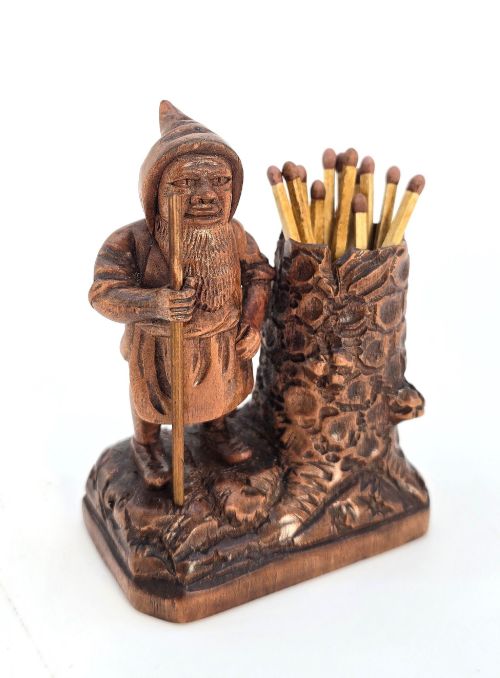
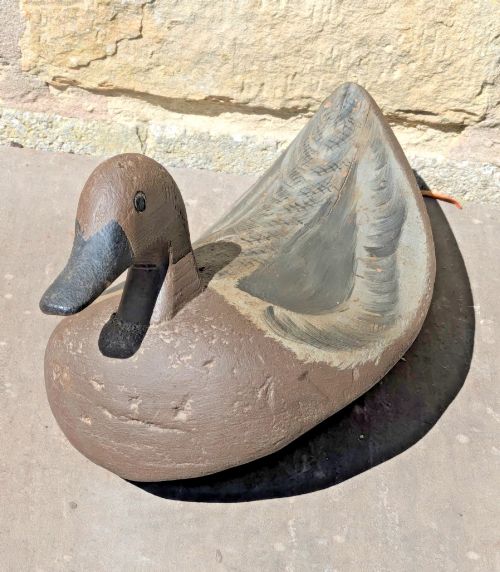
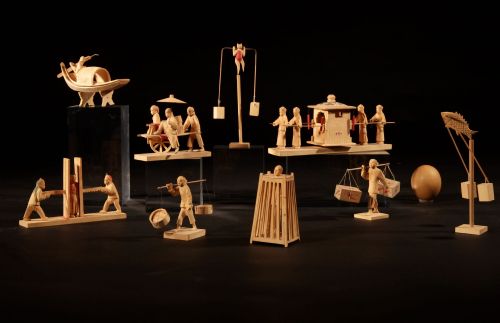
Forms vary widely from small match strikers and toy ducks to large carousel horses and shop figures. Each piece serves as a physical record of vernacular sculpture, reflecting local materials and cultural practices from its period of origin.
Materials and Technique
Carvers utilised a variety of woods depending on regional availability, relying predominantly on hardwoods, limewood, walnut, oak, and burr root for their sculptures. These timbers were shaped using hand chisels and gouges, leaving tool marks that define the tactile quality of the finished object.
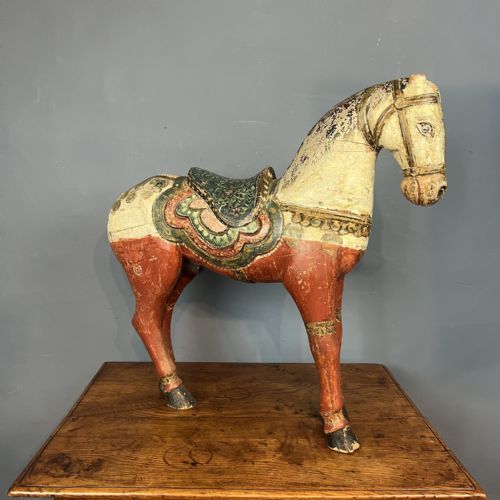
Many sculptures feature applied finishes such as paint, polychrome, gesso, and occasional touches of gold leaf to enhance the carved details. These surface treatments often weather and age naturally over decades, adding depth to the visual texture of the wood.
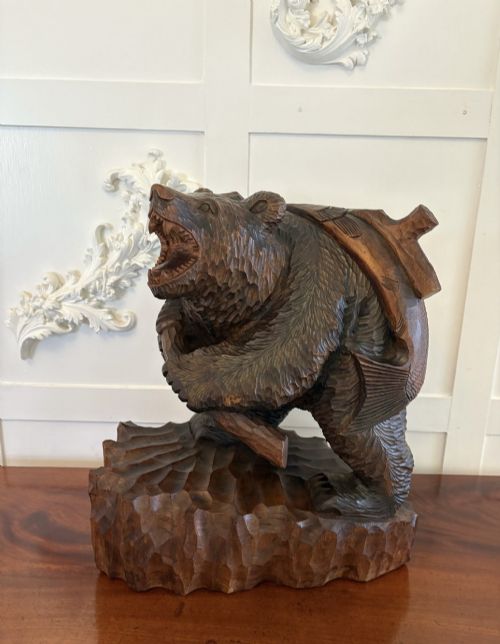
Several bears carry fish, while a dedicated night watchman and a singing Pied Piper stand ready to guard your mantelpiece.
Assessing Quality
Quality in these carvings rests upon the confidence of the maker's execution and the expressive power of the form. A superior piece displays purposeful carving where proportions and anatomical details convey immediate vitality rather than stiff symmetry.
The integrity of the original surface finish heavily dictates desirability. Pieces retaining honest, undisturbed layers of early paint or natural patination hold greater artistic merit than those stripped or overly restored.
Franz Keller
The Folk Art Wooden Statue Glossary
- Polychrome
- Painted in several colours. This surface treatment is frequently found on devotional figures and trade signs to give a lifelike appearance.
- Limewood
- A soft, pale wood favoured by carvers for its fine grain and ease of cutting. It allows for intricate detail without splitting.
- Black Forest
- A nineteenth-century carving style originating from the wooded mountain region of central Europe. Pieces from this tradition often depict bears and woodland animals rendered with realistic textures.
- Gesso
- A plaster-like mixture applied to wood as a smooth base for paint or gilding. It provides a stable ground for colourful surface decoration.
- Trade sign
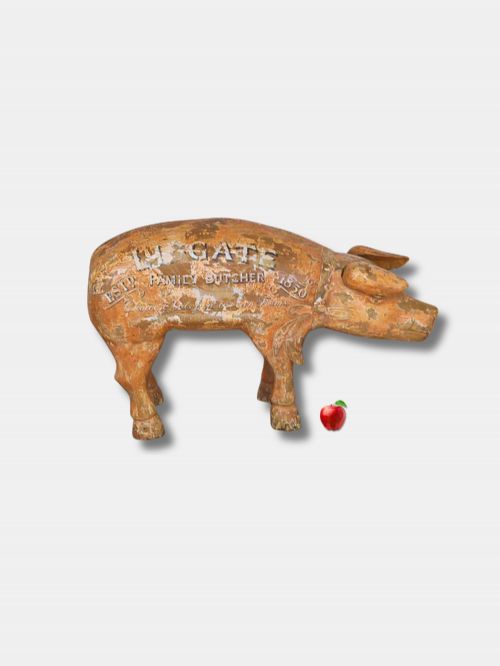
- A large carved object used originally to advertise a profession or shop. These figures were designed to catch the eye of passers-by in the street.
Folk Art Wooden Statue: Frequently Asked Questions
What is a folk art wooden statue?
A folk art wooden statue is a hand-carved decorative object produced by self-taught or vernacular artisans rather than academic sculptors. These pieces include animals, human figures, and religious subjects made from various woods.
They reflect the traditional crafts and daily life of different cultures and eras, often showing charmingly naive proportions and honest tool marks.
How were these wooden statues originally used?
These sculptures served multiple purposes ranging from domestic decoration and religious devotion to commercial advertising. Trade signs hung outside shops, while smaller figures functioned as match holders or mantel ornaments.
Religious statues stood in home altars or processional settings, and animal carvings were often created simply as decorative toys or ornaments.
How do I care for antique wooden carvings?
Keep antique wooden statues away from direct sunlight and sudden temperature changes to prevent the wood from drying out and cracking. Dust them gently with a dry, soft cloth rather than using liquid polishes.
Maintaining a stable indoor humidity helps preserve both the exposed timber and any original painted surfaces.
How can I tell the age of a carved wooden figure?
Age is determined by examining the tool marks, the type of wood, and the natural wear and patina accumulated on the surface. Hand-wrought chisel marks differ significantly from modern machine cuts.
Comparative styles, regional clothing details, and the composition of underlying paint or gesso layers also offer strong clues to the period of origin.