
Folk Art Wood Sculpture
Folk art wood sculpture brings together vernacular carving, animal figures and painted surfaces crafted by makers across the centuries.
Folk Art Wood Sculpture
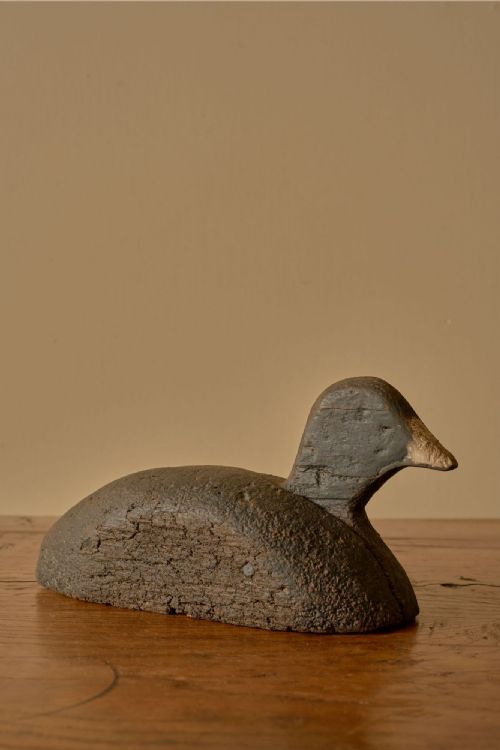
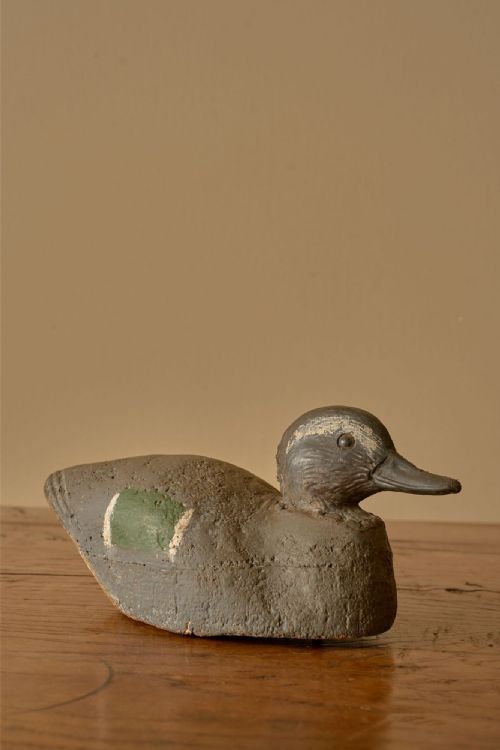
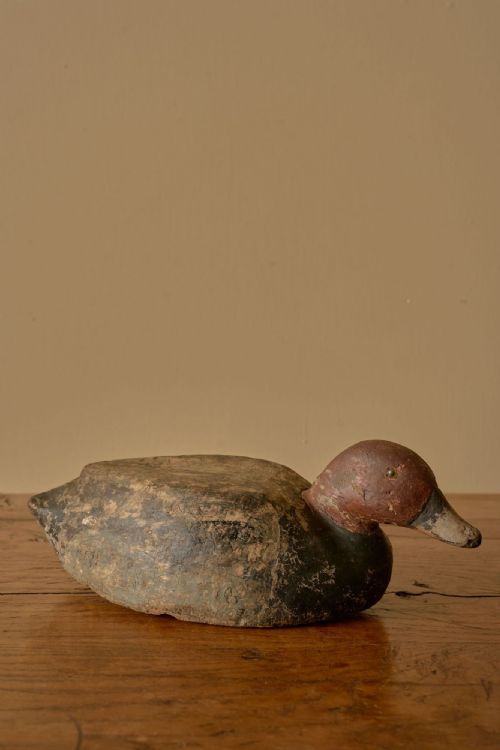
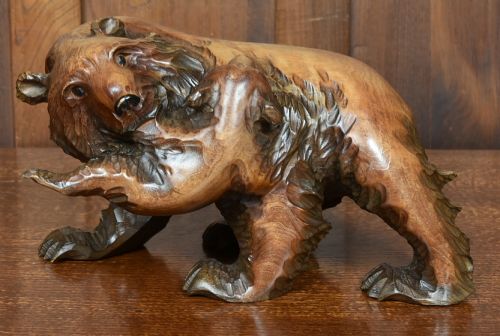
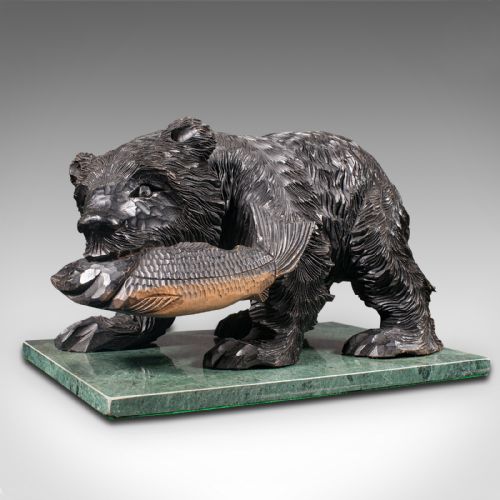
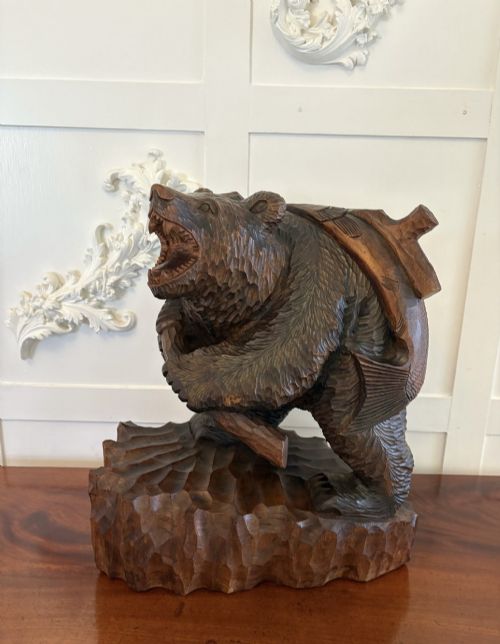
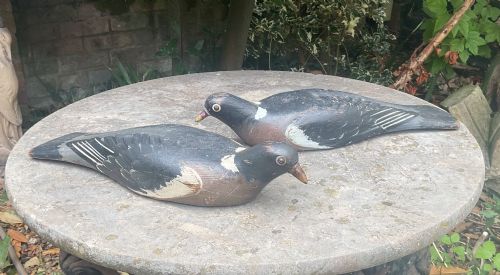
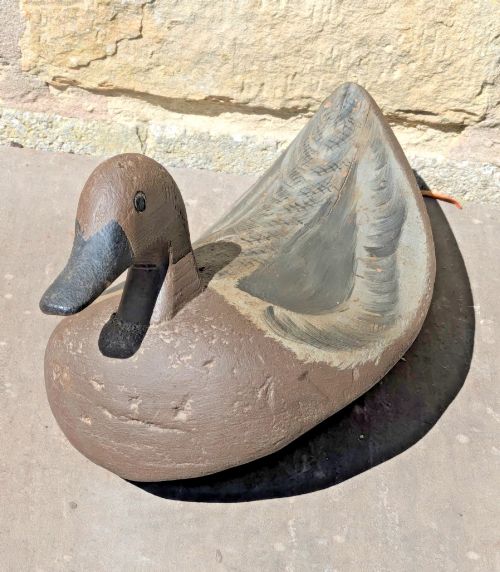
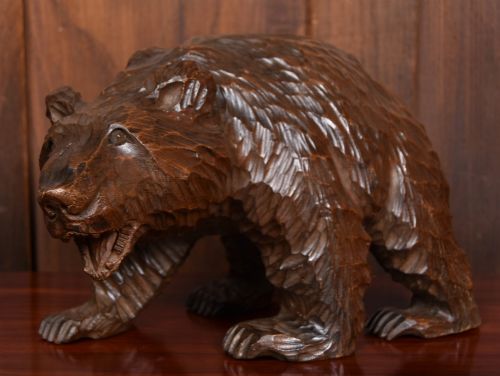
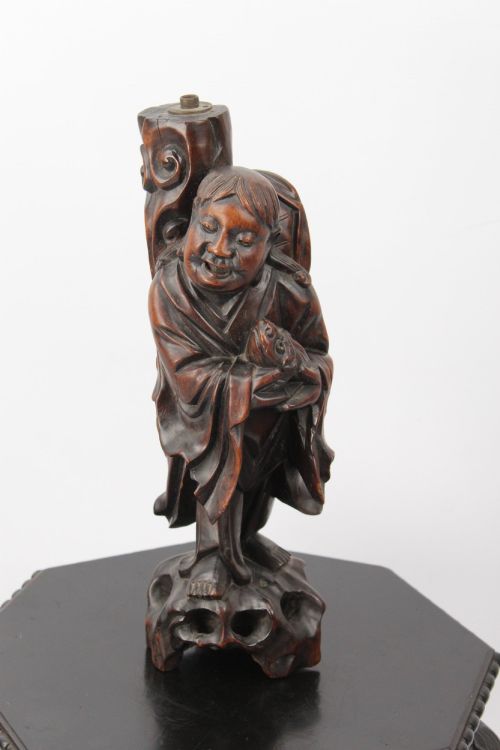
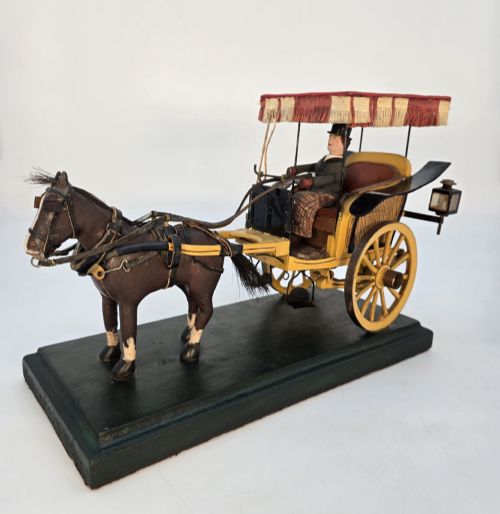
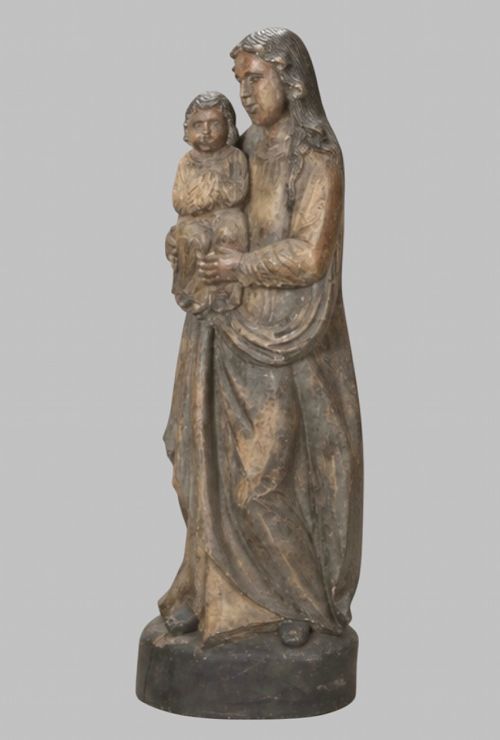
Folk art wood sculpture encompasses hand-carved animals, religious figures, trade signs and utilitarian objects shaped by makers from the seventeenth century through to the mid-twentieth century. The selection ranges from carved bears and painted duck decoys to devotional figures of saints and model carriages.
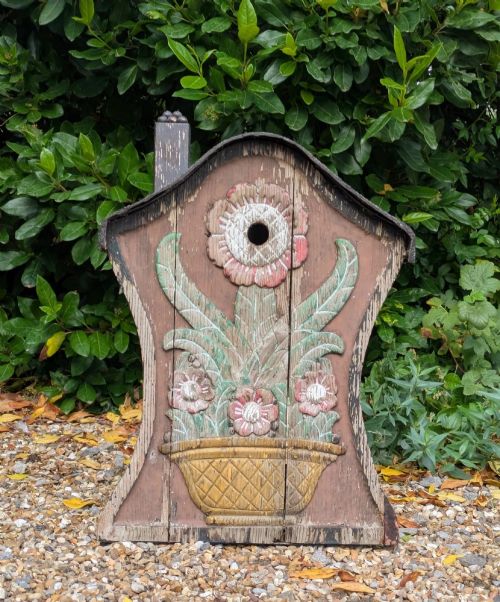
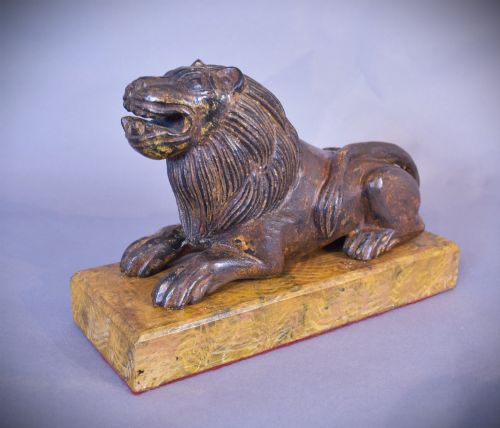
Pieces frequently emerge from British, French, Scandinavian, German, Japanese and American traditions, reflecting local vernacular styles and materials. Common forms include sculptural bird boxes, architectural trade signs, and animal studies from the Black Forest and beyond.
How They Were Made
Makers utilised available timbers such as linden, fruitwood, elm, walnut and yew, working the material with hand chisels and knives to achieve naive, primitive or highly detailed forms. Many pieces retain their original painted or polychrome surfaces, applied directly to the carved wood.
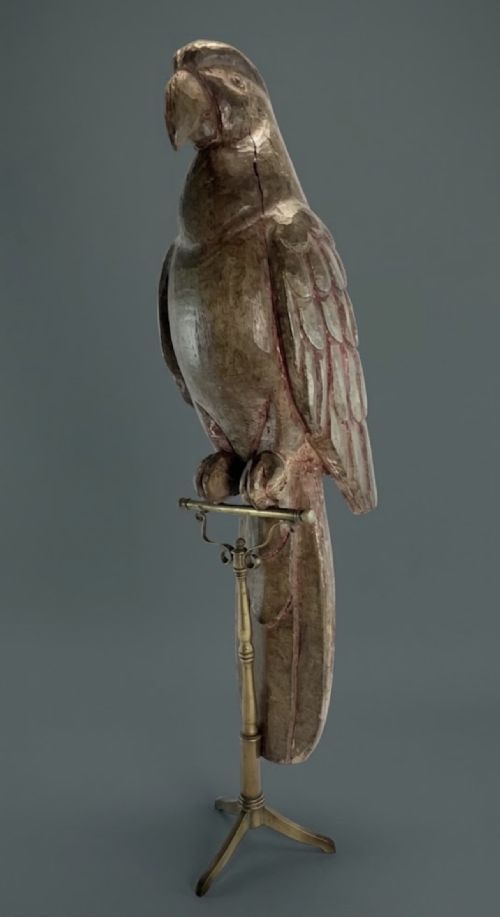
Structural elements occasionally incorporate mixed media, combining the primary timber body with metal stands, brass components, glass eyes, bone or leather details to complete the sculptures.
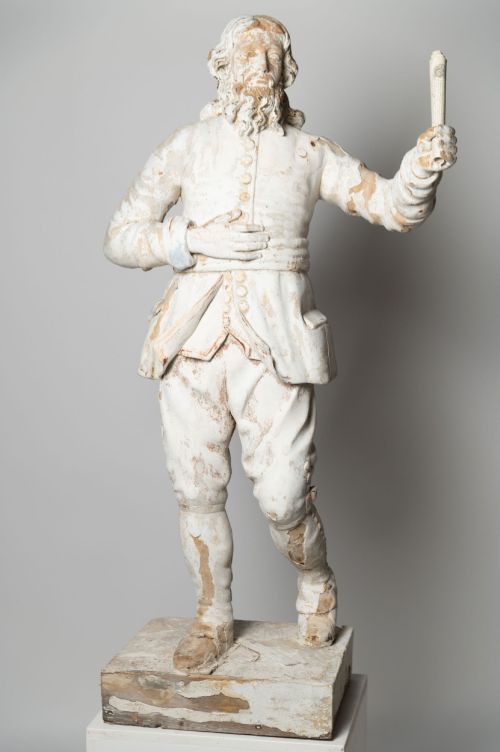
Sculptures range from solemn saints and William Tell to a tiny Eskimo in a kayak made from tanned seal skin, wood and bone.
What Varies in Quality
Quality rests in the strength of the carving and the character of the surface, distinguishing confident vernacular shaping from rigid mechanical replication. The retention of original paint, untouched patination and the vitality of the subject matter elevate individual works.
Maker attribution, documented history and unusual survival rates separate standard decorative items from exceptional sculptural examples within regional traditions.
The Folk Art Wood Sculpture Glossary
- Polychrome
- Painted in several colours. This surface treatment appears on devotional figures, trade signs and animal sculptures.
- Decoy
- A carved bird or animal used in hunting. These wooden working pieces transitioned into collectable folk art objects.
- Vernacular
- Architecture or objects built by local craftspeople using traditional methods. Such pieces reflect regional styles rather than academic design.
- Naive
- Art produced by a self-taught maker working outside formal academic traditions. These sculptures prioritise direct expression over proportion.
Folk Art Wood Sculpture: Frequently Asked Questions
What is folk art wood sculpture?
Folk art wood sculpture comprises hand-carved objects, figures and animals made by traditional craftspeople or untrained makers.
The category includes functional items like duck decoys and trade signs alongside decorative carvings of saints, bears and horses.
How old are these wooden sculptures?
The pieces span from the seventeenth century through the nineteenth century and into the mid-twentieth century.
Most examples date from the Victorian and Edwardian eras up to the 1940s, reflecting the prevailing styles of their period.
Were these items meant to be decorative?
Many objects served practical purposes before becoming collectable sculptures.
Items such as duck decoys, shop trade signs, bird boxes and farrier's anvils mounted on timber trunks had active working lives.
What woods were used for carving?
Makers utilised local hardwoods and softwoods depending on their region and tradition.
Common timbers include linden, fruitwood, elm, walnut, yew and various unidentified hardwoods selected for availability and workability.