



Folk Art Wood Bowl
These folk art wood bowl examples bring honest rural utility into a modern room, shaped by hands long before our time.
Folk Art Wood Bowl
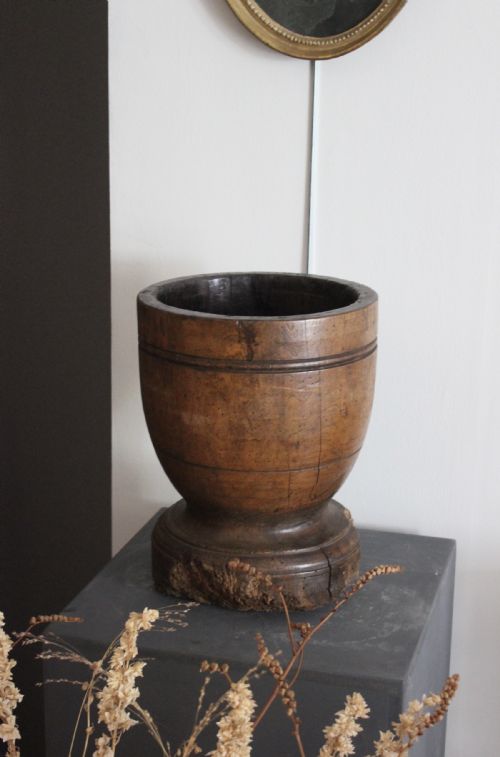
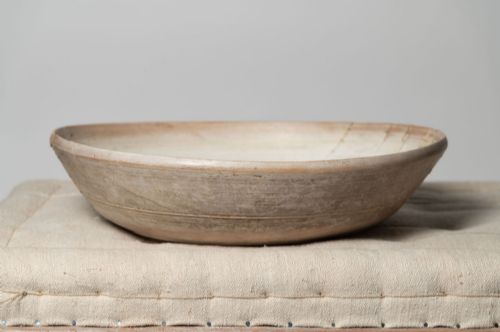
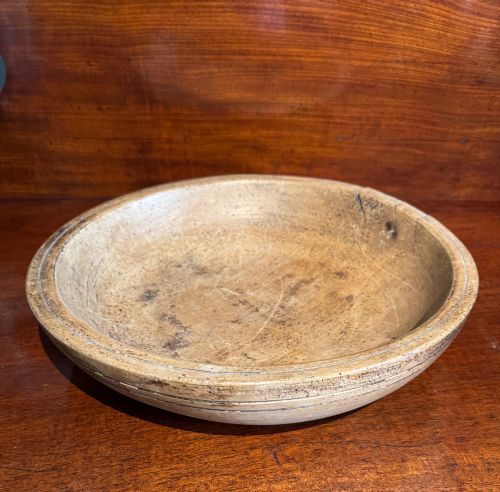
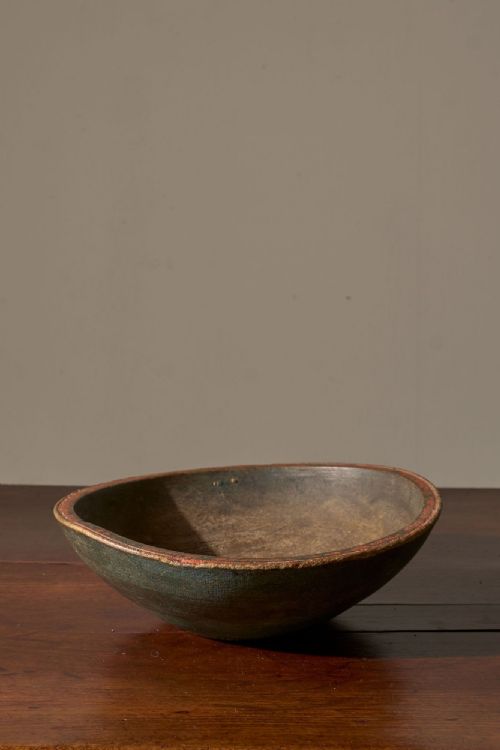
When you search for a folk art wood bowl, you encounter domestic vessels shaped for daily agricultural and kitchen use across various past centuries. These objects range from heavy dairy bowls to turned fruitwood stands and dug out containers made by country makers.
The versions most commonly met on this page span the nineteenth century, alongside earlier seventeenth and eighteenth century pieces, reflecting Scandinavian, French, Welsh and broader continental traditions. Such items were forged for purpose rather than display, carrying the marks of heavy rural work.
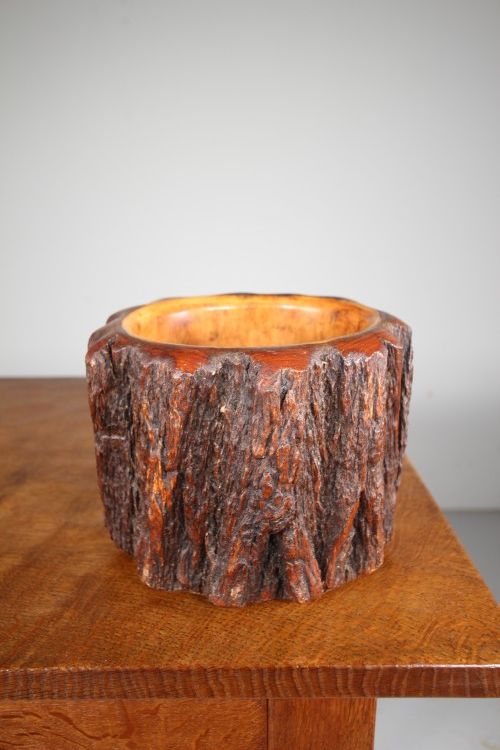
Forms vary from wide decorative platters and mortars to specialised strainers and container stands. Each piece demonstrates the regional needs of the household it served, utilising local timbers to solve immediate domestic tasks.
How they were made
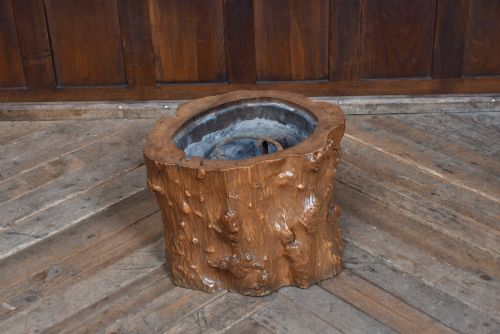
These vessels rely entirely on timber worked with primary tools, utilising pine, sycamore, birch, fruitwood, and shisham depending on regional availability. Makers turned green or seasoned wood on lathes or dug out solid logs by hand to create stable vessels.
Surface treatments remain simple, often consisting of bare timber worn smooth through centuries of washing, or occasional layers of early paint. Iron fittings occasionally reinforce structural joins, while hand-carved textures reveal the gouges and chisels of the maker.
Folk Art Wood Bowl Retail Price Guide 2026
Typical asking prices for folk art wood bowl among the pieces listed under this phrase on Sellingantiques today, from the lower quarter to the upper quarter. They describe what is for sale here now, not the wider market.
One unusual treen container listed here likely spent its working life quietly collecting the dregs of historic wine.
What varies in quality
Quality rests in the harmony of proportion and the honesty of the tool marks left by the maker. A well-balanced turned rim or a deeply patinated dug out surface shows a superior command of the medium.
The depth of the accumulated surface patina tells the story of use and age, separating objects that retain their historic integrity from those stripped of character. Surviving original paint layers and untouched timber surfaces elevate the presence of the piece.
The Folk Art Wood Bowl Glossary
- Treen
- Small handmade wooden domestic objects produced before the dominance of plastics and mass manufacturing. These items include bowls, mortars, and spoons shaped for everyday tasks.
- Dairy bowl
- A wide, shallow vessel traditionally used for setting milk and separating cream in rural homesteads. These pieces usually feature wide flat bases and thick turned rims.
- Fruitwood
- Timber sourced from fruit-bearing trees such as apple, pear, or plum, prized for its dense grain and warm tone. Turners favoured it for items requiring fine detail and durability.
- Dug out
- A construction method where a single solid log is hollowed out entirely by hand using adzes or gouges rather than turned on a lathe. This creates heavy, organic forms with thick walls.
- Patina
- The surface sheen and colour developed over decades or centuries through handling, waxing, and natural ageing. A rich surface denotes genuine age and continuous use.
Folk Art Wood Bowl: Frequently Asked Questions
How were these wooden bowls used originally?
These vessels served practical functions in rural kitchens and dairies, holding milk, flour, fruit, or liquids during food preparation. Many were designed for heavy daily labour rather than decorative display.
Over generations, their utility shifted as modern wares replaced them, leaving them to be appreciated purely for their sculptural form and tactile history.
Are these bowls safe for serving food today?
Most historic treen and country bowls carry centuries of absorption from oils, milk, or natural wear that make modern food safety standards difficult to guarantee. They are best utilised as dry display pieces or for holding non-perishable items.
Treating them with modern food-safe oils can alter the historic surface and patina, which collectors generally prefer to keep undisturbed.
How do I clean and care for a wooden bowl?
Dusting with a dry, soft cloth is sufficient for maintaining the surface of historic timber. Water and harsh detergents must be avoided to prevent splitting, warping, or lifting the historic patina.
Keep these pieces away from direct heat sources and strong sunlight, which dry out the wood and cause ancient timbers to crack.
How can I tell the age of a wooden bowl?
Age is determined by tool marks, timber choice, wear patterns, and regional construction traits rather than strict labels. Hand-dug surfaces and early lathe-turned rings often point to seventeenth or eighteenth-century methods.
Comparing the depth of the surface patina and the oxidation of the timber helps distinguish nineteenth-century examples from twentieth-century revivals.