

Folk Art Vessel
When you select a folk art vessel, you take home a utilitarian or maritime piece shaped by hands that worked outside the academic mainstream.
Folk Art Vessel
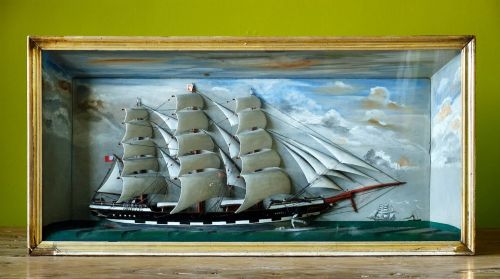
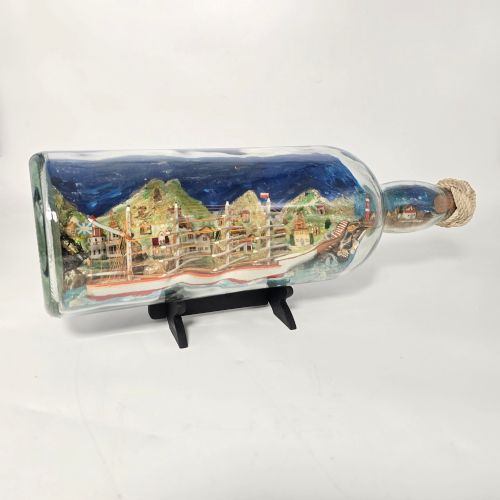
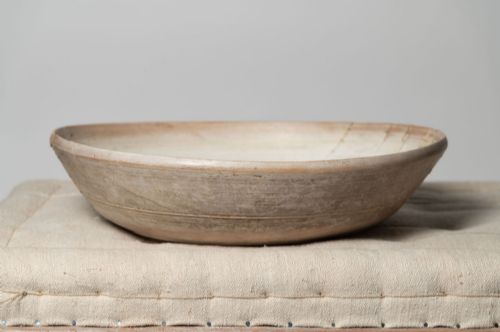
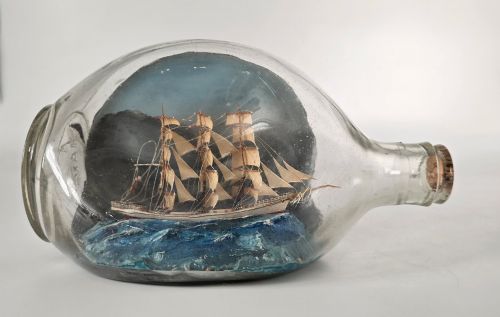
A folk art vessel encompasses everyday utilitarian items and maritime models produced across centuries, ranging from Swedish dairy bowls and pine barrels to detailed ship dioramas in bottles. The pieces you encounter most frequently on this page date from the nineteenth century, though earlier seventeenth-century wooden mortars and slipware jugs also appear alongside twentieth-century scratch-built models.
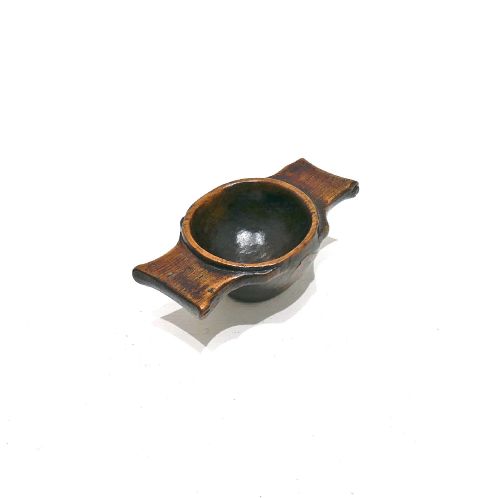
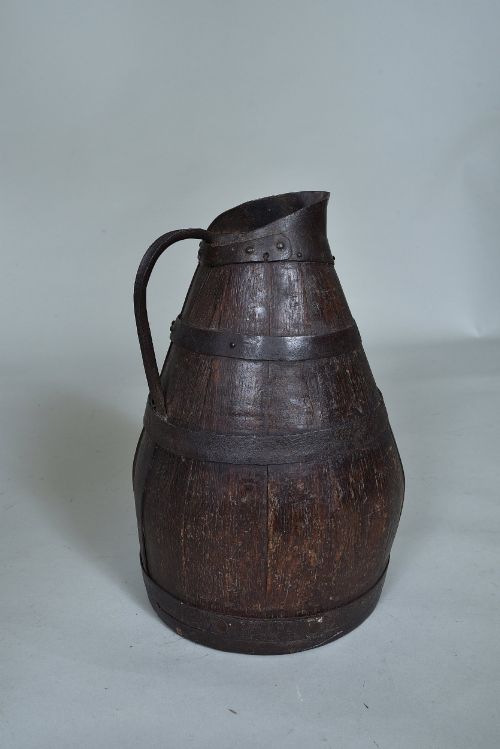
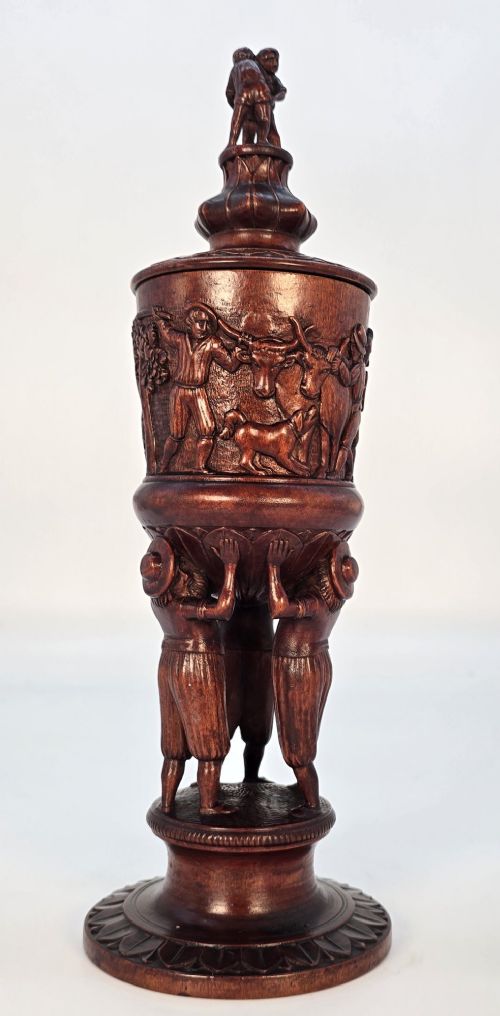
Makers shaped these objects from local materials to serve domestic, agricultural, or seafaring purposes. You find treen quaichs, carved chalices, dairy bowls in sycamore, and storage vessels that reflect regional traditions from Britain, Scandinavia, France, and beyond.
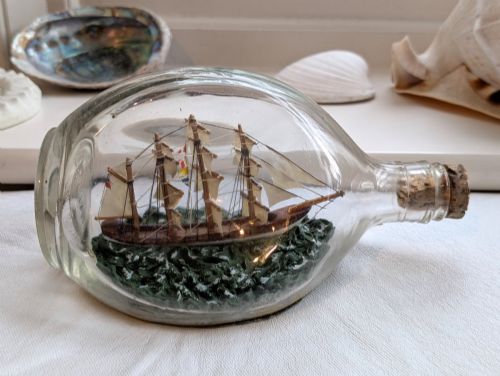
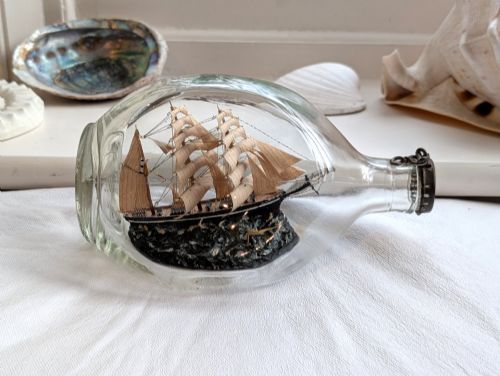
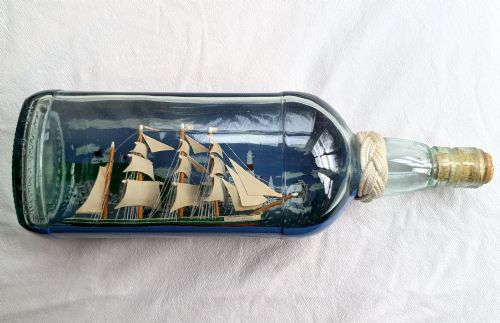
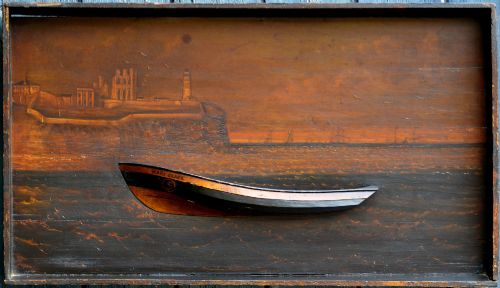
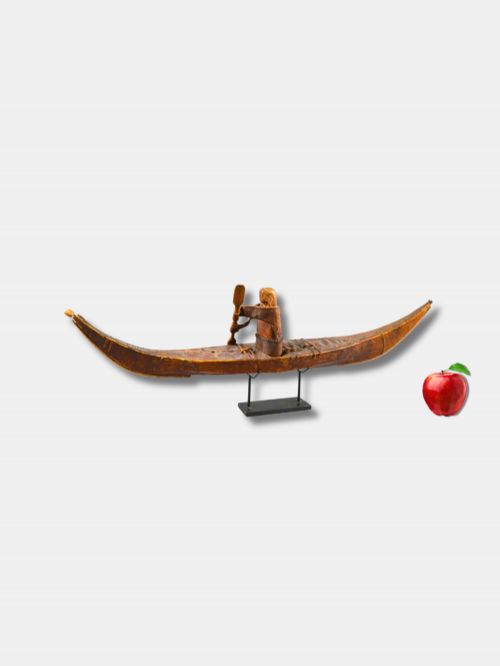
Maritime expressions dominate many listings through detailed dioramas, half models of hulls, and ships enclosed in glass bottles. These vernacular creations balance practical utility with expressive carving, shell decoration, and painted finishes.
How They Were Made
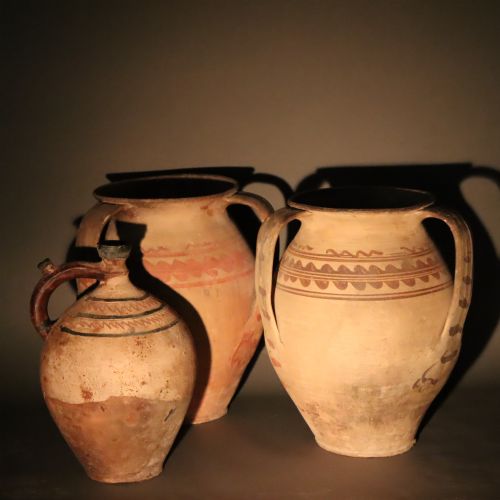
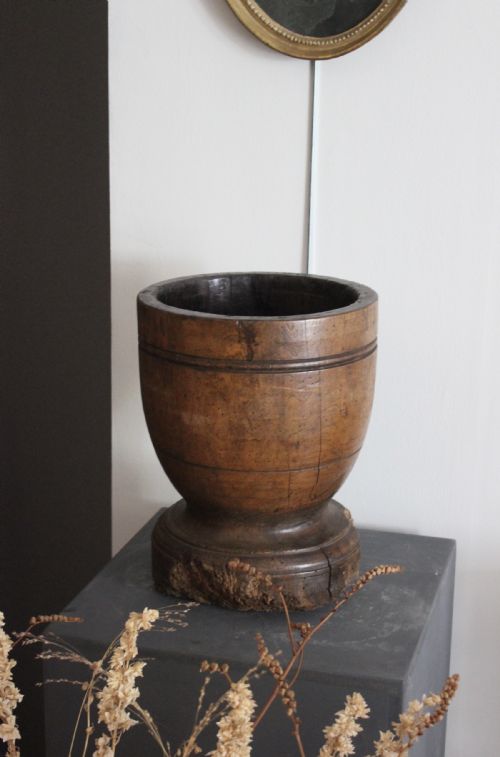
Craftsmen utilised native timbers such as pine, sycamore, plum wood, and hardwood, turning them on lathes or hollowing tree trunks out by hand to form durable bowls, barrels, and planters. Other examples involve pottery techniques, seen in earthenware slipware jugs and painted vessels shaped from clay.
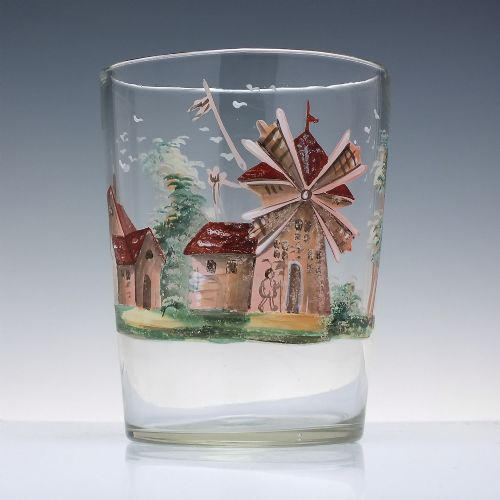
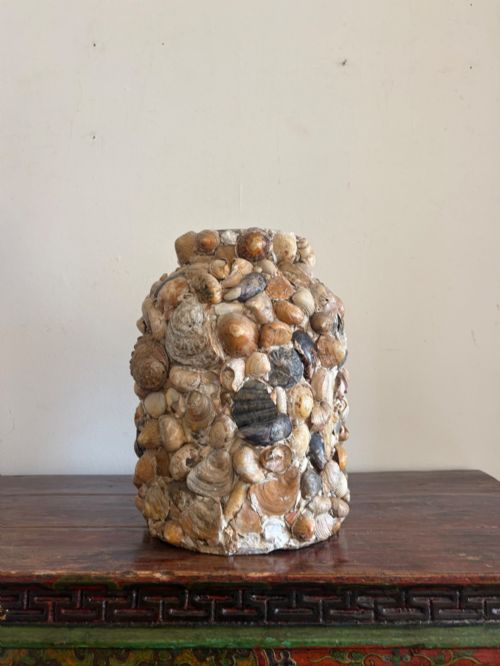
Makers incorporated diverse decorative elements into their constructions, applying paint, straw work, shell ornamentation, and carved details like horn beakers and coconut shells. Maritime pieces required meticulous hand assembly, rigging miniature sailing ships inside bottles or mounting dioramas within cased wooden frames.
Folk Art Vessel Retail Price Guide 2026
Typical asking prices for folk art vessel among the pieces listed under this phrase on Sellingantiques today, from the lower quarter to the upper quarter. They describe what is for sale here now, not the wider market.
Listings feature items spanning from the 17th century to the 1930s, constructed from wood, paint, glass, and earthenware.
What Varies in Quality
Quality rests upon the crispness of the carving, the integrity of the original surface paint or patina, and the structural stability of the wood or earthenware. An object with untouched, period-worn surfaces and precise execution in its naive details commands greater interest than one with heavy alterations.
The complexity and scale of construction also divide the range, particularly in maritime dioramas and ship models where fine rigging and balanced composition elevate the piece. Material choice plays a role, as unusual woods like plum or intricate straw work demonstrate higher ambition from the maker.
The Folk Art Vessel Glossary
- Quaich
- A shallow two-handled drinking vessel originating in Scotland. It typically takes a wooden form constructed with staves.
- Slipware
- Pottery decorated with a liquid clay slip applied before firing. It creates contrasting patterns beneath a transparent glaze.
- Diorama
- A three-dimensional scene enclosed within a case or bottle. These often depict maritime subjects with miniature sailing vessels.
- Treen
- Small wooden domestic objects made by turning or carving. The term derives from the old word for tree.
- Coquilla nut
- The hard, mottled seed of a South American palm tree. Carvers shaped it into small boxes and snuff containers.
Folk Art Vessel: Frequently Asked Questions
What is a folk art vessel?
A folk art vessel is a utilitarian or decorative container made outside academic traditions by vernacular makers. These objects include wooden dairy bowls, slipware jugs, and carved chalices.
They reflect regional domestic habits and maritime culture, utilising locally available materials like pine, sycamore, and earthenware.
How do I care for antique wooden vessels?
Antique wooden vessels require stable indoor humidity away from direct heat sources and strong sunlight. Sudden environmental changes can cause the timber to split or warp.
Dust them gently with a dry cloth and avoid applying modern polishes that might alter the original patina.
How can I tell the age of a wooden bowl?
You determine the age of a wooden bowl by examining the tool marks left by lathes or hand-gouging implements. The presence of shrinkage cracks, historical wear patterns, and accumulated surface patina also indicate age.
Comparing the timber species and form to documented examples helps narrow down the period.