







Folk Art Embroidery
Folk art embroidery gathers handheld samplers, large wall hangings, and framed panels carrying regional needle traditions from the eighteenth century onwards.
Folk Art Embroidery
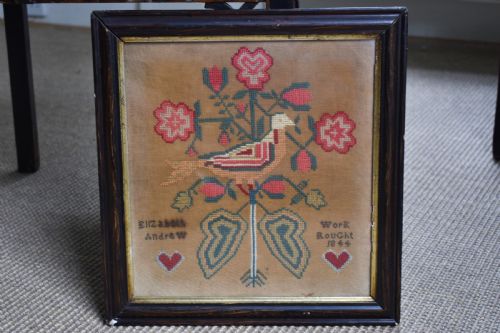
Folk art embroidery covers domestic textile panels, wall hangings, and samplers produced across Britain, Greece, and Central Asia. Buyers seek these pieces for their naive depictions of animals, human figures, and geometric motifs stitched by hand.
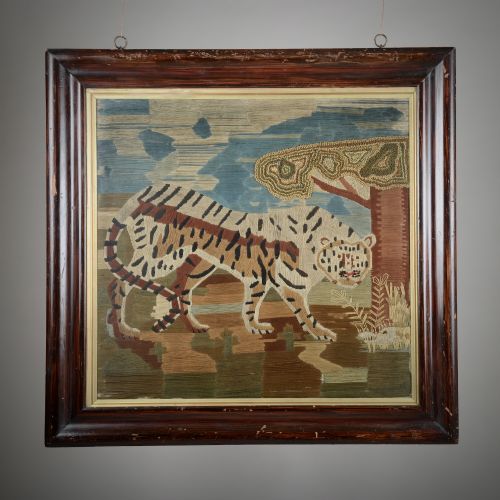
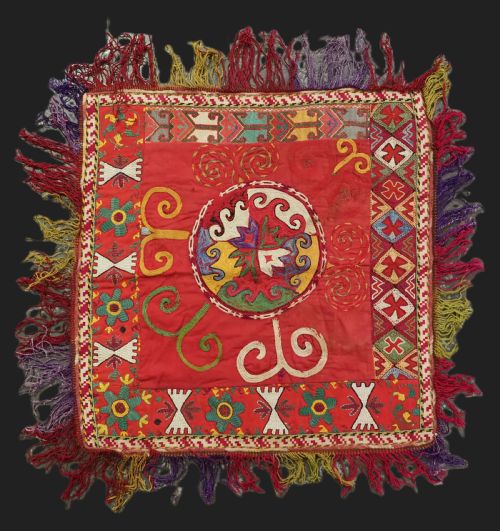
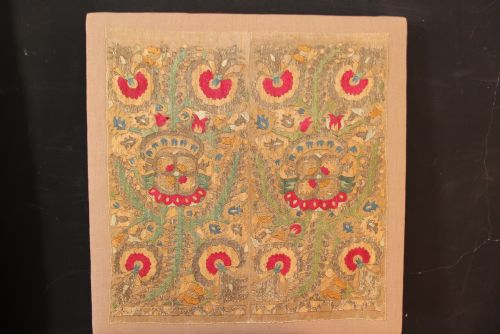
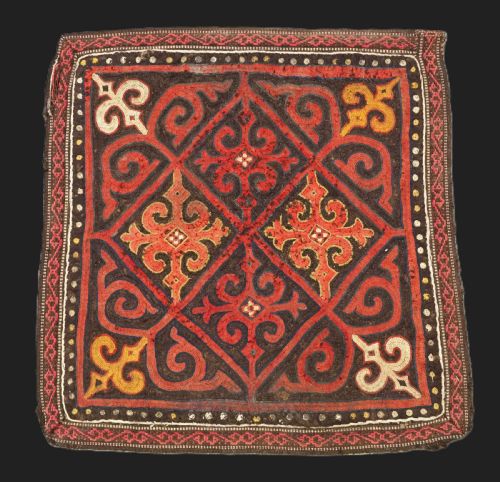
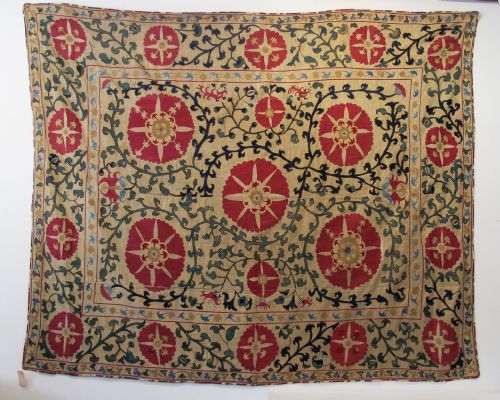
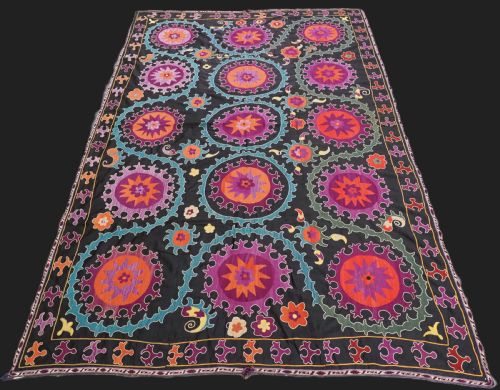
The selections here range from Victorian woolwork depictions of sailors and tigers to Central Asian suzanis, felt wall panels, and Greek island embroideries. Samplers and framed pictures from the nineteenth century appear frequently alongside tribal dowry hangings.
Regional origins dictate the visual vocabulary, moving from English narrative scenes to Greek hand towel end panels and Uzbek nomadic yurt decorations. Each textile reflects the domestic or regional customs of the maker through distinct pictorial traditions.
How They Were Made
Materials comprise linen, cotton, wool, silk, and felt grounds worked with silk or wool threads. Wooden frames and glass mountings protect many of the framed pictures and samplers.
Needlework techniques vary by region, utilising surface stitchery on cotton grounds for Central Asian suzanis and counted thread work for European samplers. Felt panels incorporate appliqué alongside embroidery to build textured wall hangings.
Folk Art Embroidery Retail Price Guide 2026
Typical asking prices for folk art embroidery among the pieces listed under this phrase on Sellingantiques today, from the lower quarter to the upper quarter. They describe what is for sale here now, not the wider market.
Sailors occasionally employed real human hair alongside wool threads to render the rigging on nineteenth-century ship embroideries.
What Varies in Quality
Visual strength rests upon the clarity of the design and the density of the stitching. Tightly packed silk threads on suzanis or fully embroidered palak grounds present a more vibrant presence than sparse needlework.
Original condition and mounting integrity separate standard examples from finer survivals. Intact borders on Greek island panels and secure framing on nineteenth-century woolies preserve the visual impact of the composition.
The Folk Art Embroidery Glossary
- Sampler
- A piece of needlework produced to demonstrate proficiency in various stitches. These often display alphabets, numbers, and pious verses.
- Suzani
- A large embroidered textile panel from Central Asia. Women traditionally stitched these silk designs on cotton grounds as part of a dowry.
- Woolie
- A pictorial embroidery created by nineteenth-century sailors. These wool works typically depict naval ships, sailors, or domestic animal portraits.
- Ilgich
- A specific type of Central Asian embroidery used for hanging on yurt walls. Tribes such as the Lakai produced these decorative domestic furnishings.
- Palak
- A fully embroidered Central Asian suzani type. The dense needlework covers the entire ground fabric in sweeping botanical motifs.
Folk Art Embroidery: Frequently Asked Questions
How do I hang a textile panel?
Wall hangings benefit from professional mounting behind glass or gentle attachment to a padded backing board. This prevents the weight of the fabric from distorting the stitches over time.
Direct sunlight fades silk and wool threads quickly, so position textiles away from windows. Textile panels require breathable environments protected from excessive moisture.
How do I date an antique sampler?
Samplers often bear embroidered dates, maker names, or ages directly within the composition. Stylistic clues in the typography, border design, and alphabet style help narrow down undated examples.
Nineteenth-century pieces tend to use brighter synthetic or processed wools compared to eighteenth-century equivalents. Comparing the stitch density against known dated comparables confirms the period.
What is a suzani used for?
Suzanis served primarily as decorative wall hangings, bed covers, or dowry items in Central Asian households. Families displayed these large embroidered textiles during weddings and formal occasions.
Nomadic and settled communities alike produced these textiles using bold silk threads on cotton foundations. Today they function primarily as decorative wall art in modern interiors.