

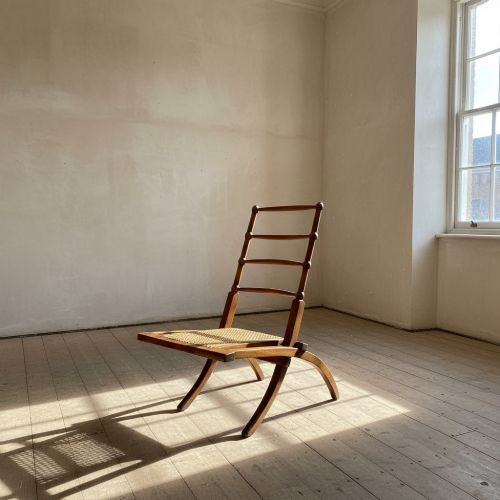
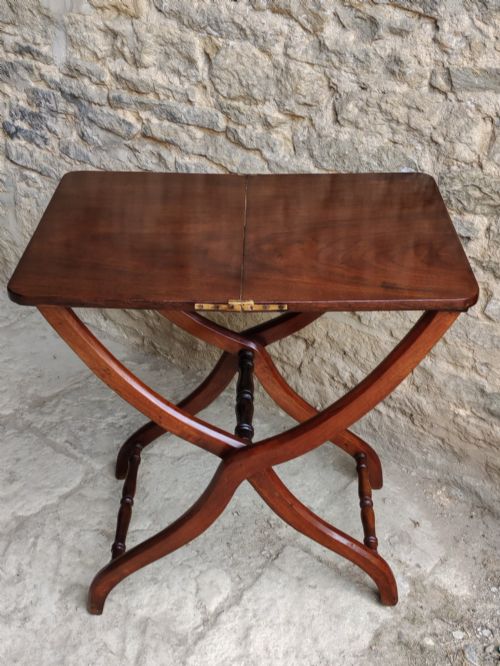
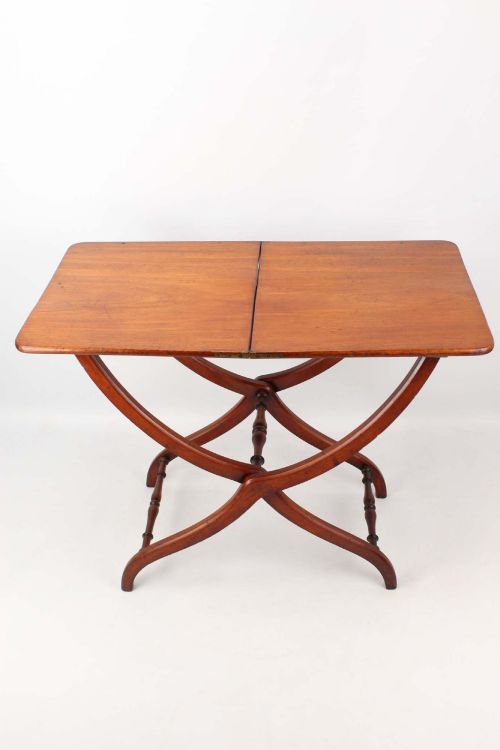
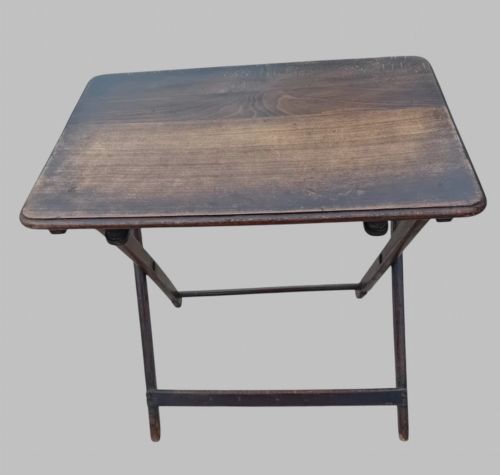
Folding Campaign Furniture
Folding campaign furniture comprises portable items designed for travel, engineered to fold or dismantle for officers on the move.
Folding Campaign Furniture
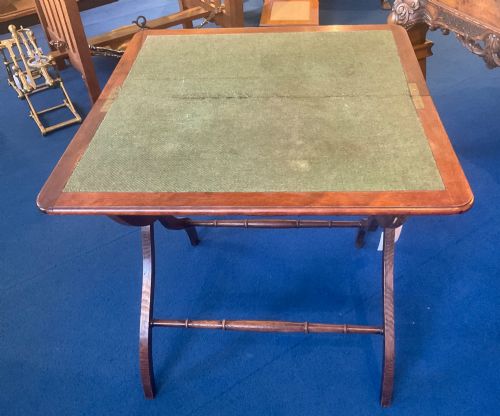
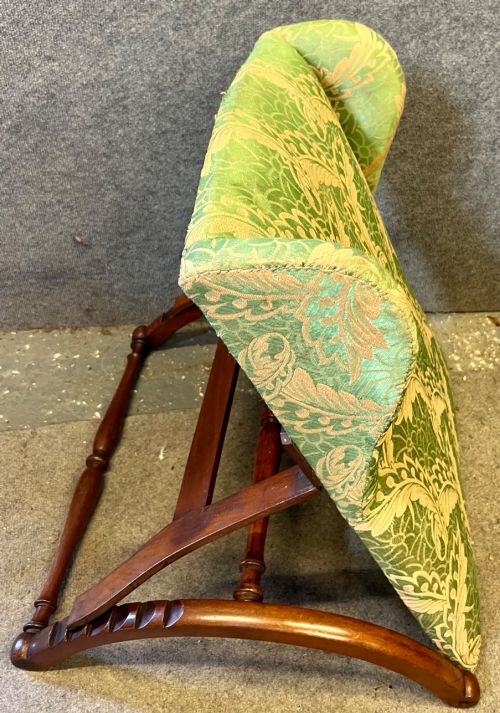
When you examine folding campaign furniture, you encounter items built for portability by military officers, travellers and sea captains. The selections on this page span several centuries, reaching from the Georgian and Regency eras through the Victorian period and into the early twentieth century.
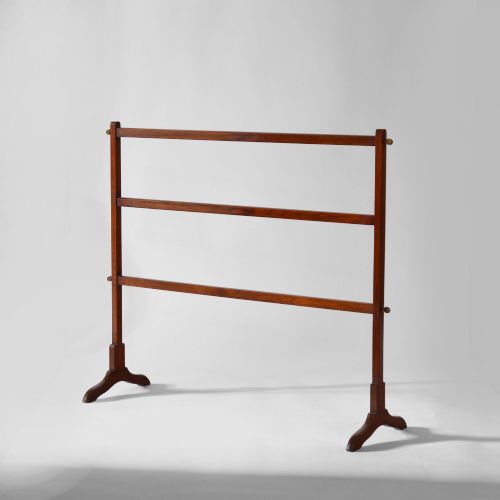
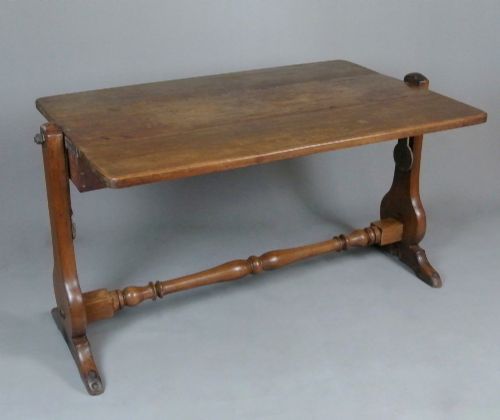
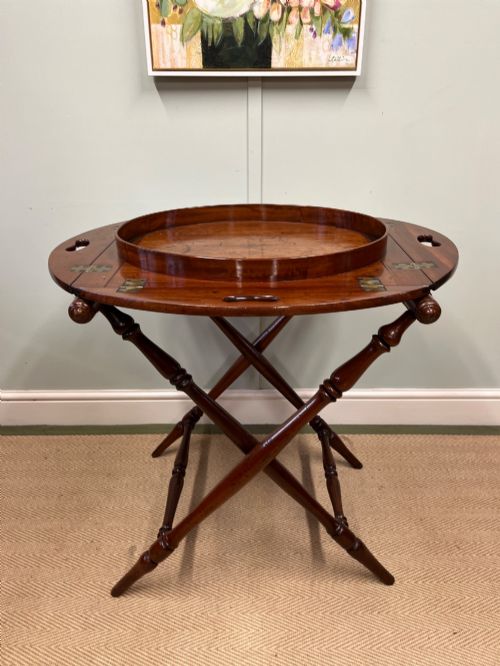
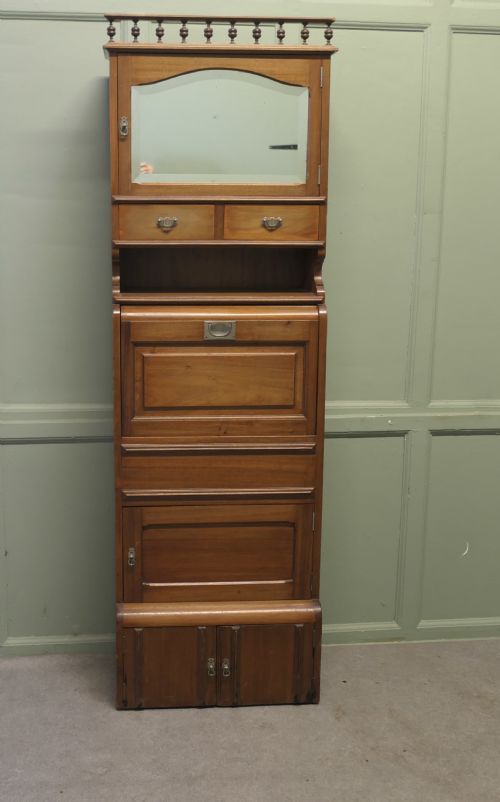
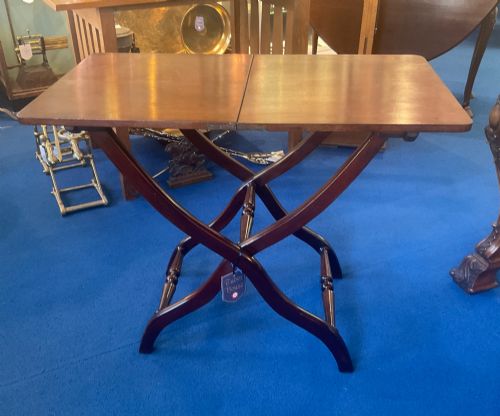
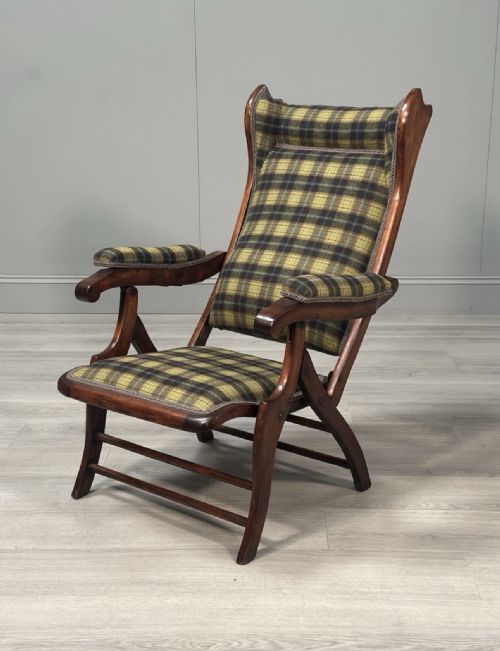
The forms vary widely to suit the practical needs of temporary accommodation. You will find occasional tables, coaching tables, and butler's trays alongside washstands, armchairs, daybeds, and writing tables.
Woods such as mahogany, teak, satinwood and rosewood predominate, often supplemented by brass hinges and fittings designed to withstand disassembly and transport.
Materials and construction
Craftsmen utilised durable timbers such as mahogany, teak, oak and rosewood to withstand the rigours of transit. These dense hardwoods provided the structural integrity required for items that needed frequent folding or dismantling.
Metal components, predominantly brass for hinges, corner brackets and folding mechanisms, offered both strength and resistance to corrosion during travel at sea or in damp climates.
Folding Campaign Furniture Retail Price Guide 2026
Typical asking prices for folding campaign furniture among the pieces listed under this phrase on Sellingantiques today, from the lower quarter to the upper quarter. They describe what is for sale here now, not the wider market.
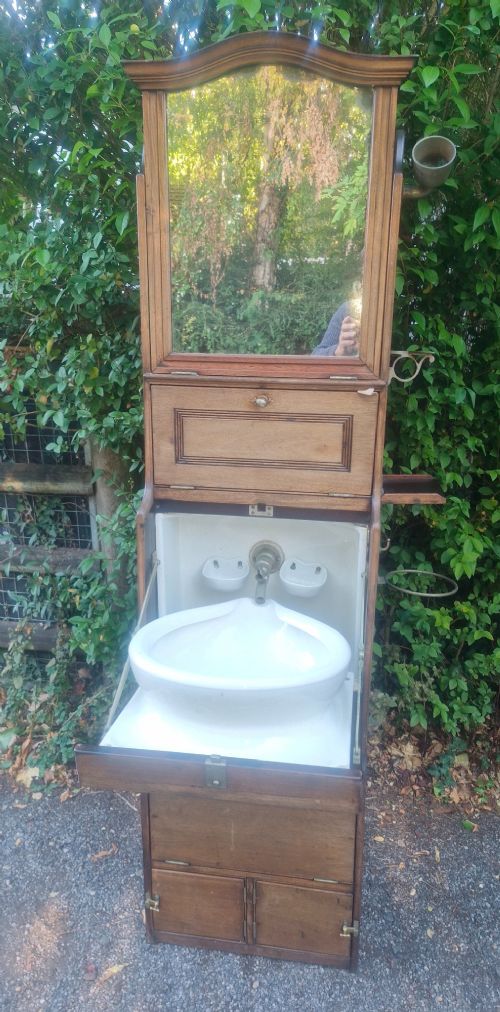
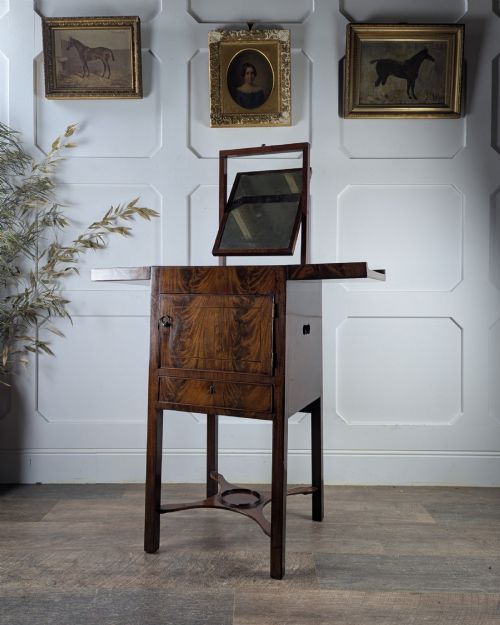
Some folding washstands even squeezed an entire basin and mirror setup into a compact cabinet fit for a nineteenth-century yacht.
Assessing quality
The refinement of the mechanism distinguishes finer pieces from utilitarian items, with superior examples operating smoothly through cleverly concealed hinges and joints. The choice of timber also dictates grade, with figured Cuban mahogany or satinwood representing a higher tier of production than standard domestic woods.
The integrity of the original folding framework and the retention of matching brass hardware determine the overall standard of preservation. Pieces retaining their original stands, trays or detachable legs without replacement parts command greater attention from collectors.
Gillows·J. Herbert McNair·Leveson & Sons
The Folding Campaign Furniture Glossary
- Butlers tray
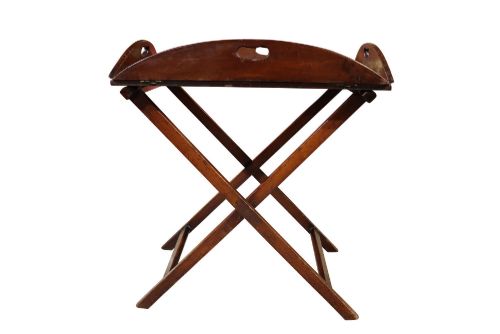
- A portable wooden tray with hinged or cut-out sides, designed to lift off its folding X-frame stand for serving. It frequently serves as a coffee table in modern settings.
- Coaching table
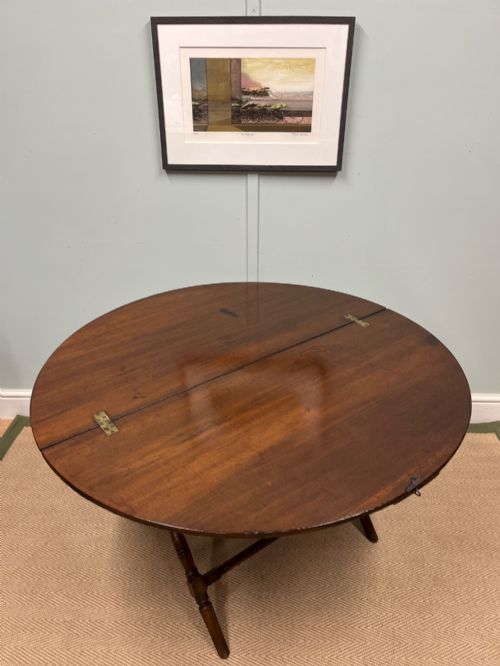
- A low, folding table with a slatted or solid X-frame base, originally packed inside a coach for travelling. These pieces fold completely flat for storage.
- Washstand
- A specialised piece of furniture housing basins, jugs or mirrors, often built with folding compartments for use in field quarters or aboard ship.
- Campaign chair
- An armchair or daybed engineered with folding X-frames or detachable components for military officers on active service.
- X-frame
- A structural support formed by two intersecting members shaped like the letter X, allowing the framework to collapse flat.
Folding Campaign Furniture: Frequently Asked Questions
What is campaign furniture?
Campaign furniture refers to portable items designed for military officers, diplomats and travellers on the move. These pieces are engineered to fold, dismantle or pack flat into transit cases.
Items range from dining tables and desks to washstands and chairs, typically constructed from robust timbers with protective brass corners.
How do you fold a coaching table?
Coaching tables generally feature a hinged X-frame base that collapses inward once the top is removed or unclipped. The top itself often lifts straight off its support.
Care should be taken with older brass hinges and wooden joints when operating the folding mechanism to avoid strain.
Where was campaign furniture used?
This furniture was utilised in military tents, field encampments, aboard naval vessels, and during long colonial journeys. It allowed officers to maintain a degree of domestic comfort while travelling.
Ship captains and colonial administrators also relied on these space-saving designs for cabins and temporary quarters.
How do I date antique campaign pieces?
Dating relies on stylistic clues, construction methods, and the type of wood employed. Georgian and Regency pieces often feature straight lines and Cuban mahogany, while Victorian examples introduce more complex folding mechanisms.
Makers' stamps, brass patent marks, and attribution to known firms like Gillows also help establish a precise timeframe.