



Folding Brass Stand
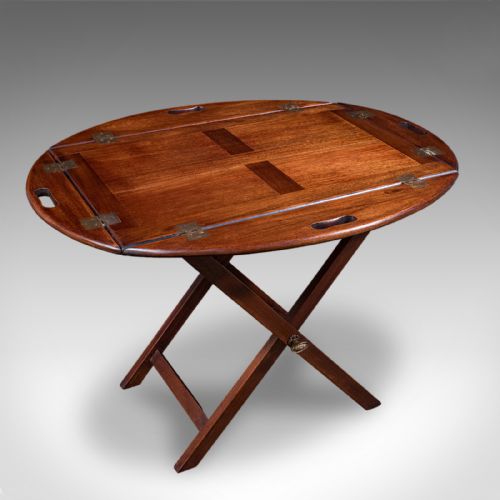
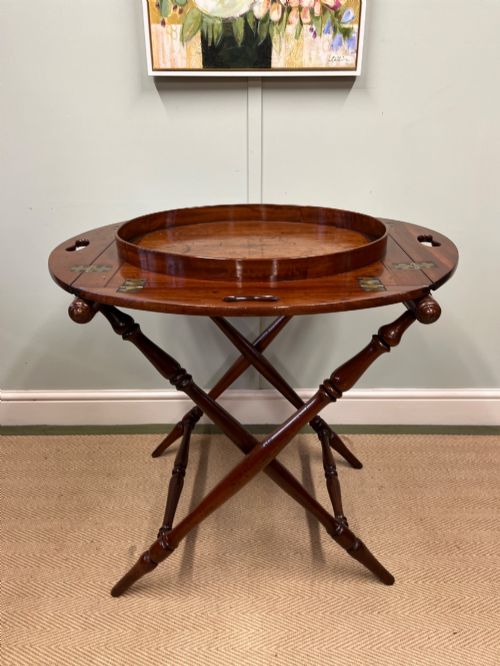
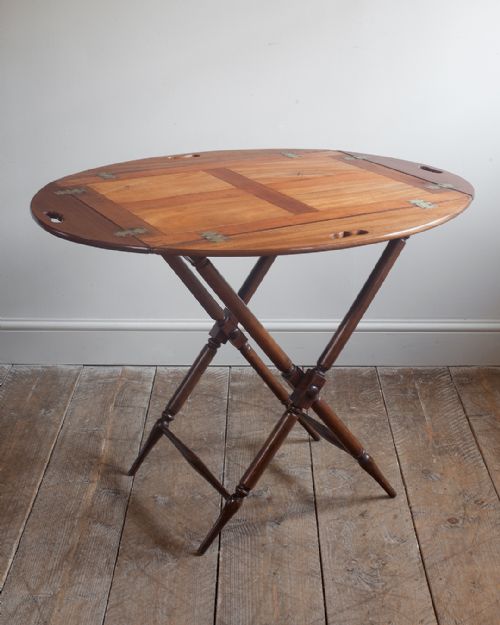
A folding brass stand provides a portable support for trays, books, and optics, combining utility with compact storage.
Folding Brass Stand
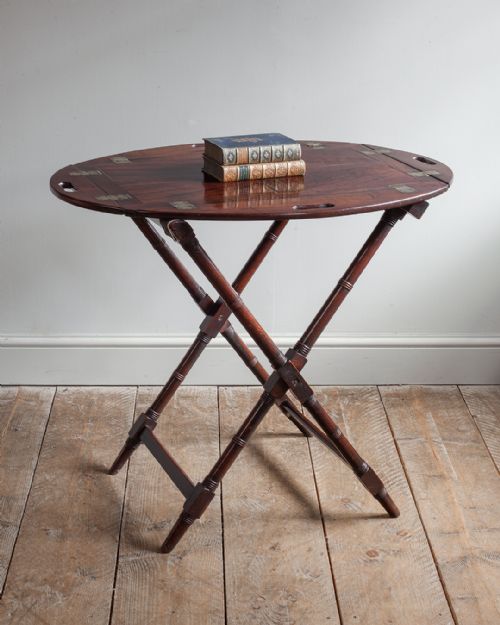
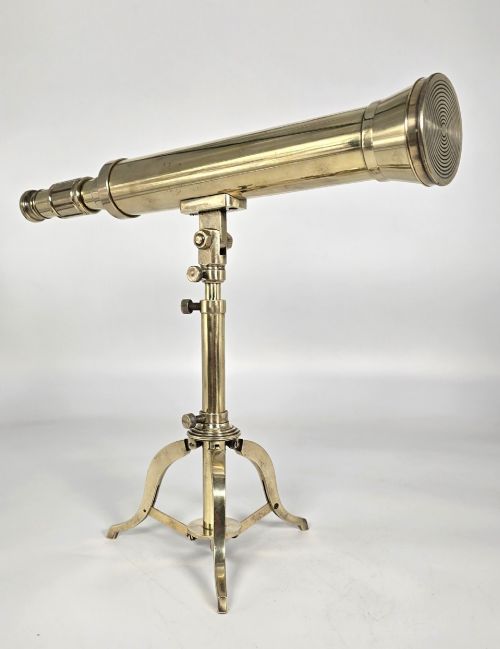
A folding brass stand functions as a versatile support structure, frequently encountered paired with removable trays, book slides, or telescope tubes. These pieces span from the late eighteenth century through the early twentieth century, crossing Georgian, Victorian, and Edwardian periods.
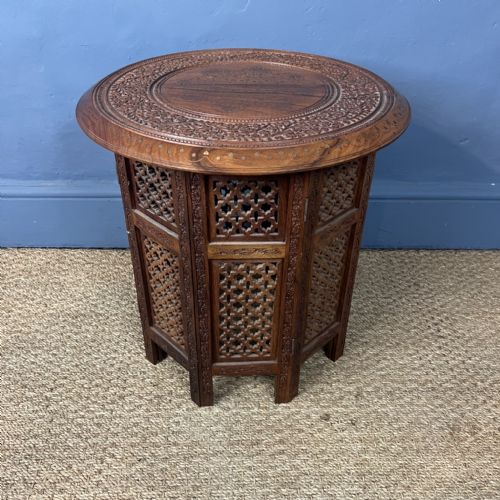
Many examples emerge from Anglo-Indian, Persian, and Middle Eastern workshops, featuring intricate brass inlay on teak, hardwood, or copper tops. Others take the form of English occasional tables, tray tables, and adjustable book stands designed to collapse when not in use.
Materials and construction methods
Makers utilised durable hardwoods such as mahogany, walnut, teak, and oak for the structural frames, complementing the metal elements. Brass forms the primary metalwork, appearing as cast tripod legs, inlaid surface patterns, hinges, and telescopic mounts.
Construction relies on precise joinery to ensure the folding mechanisms operate smoothly without compromising stability. Inlaid pieces incorporate bone, copper, and mixed metals set flush into timber surfaces, reflecting specialised regional craftsmanship.
A ship's combination washstand table proves that nineteenth-century sailors still wanted a proper folding frame for morning ablutions.
Assessing quality in folding supports
Quality rests in the precision of the folding mechanism and the rigidity of the frame when extended. Superior examples exhibit tight joints, smooth hinges, and substantial gauge metal that resists bending under weight.
The fineness of surface decoration distinguishes finer items, particularly in the hand-cut brass inlay of Anglo-Indian tables or the crisp casting of Victorian and Georgian telescope mounts. Weight and balance serve as reliable indicators of skilled manufacture.
Benetfink And Co·Chadburn Brothers·Matthew Berge·Hillum Of London·Betjemanns
The Folding Brass Stand Glossary
- Butlers tray
- A portable wooden tray with hinged sides, designed to rest upon a folding stand for serving.
- Book slide
- An expanding stand with metal ends, often in brass, used to hold a row of books upright on a desk.
- Tripod stand
- A three-legged folding support base frequently utilised for telescopes, cameras, and display items.
- Inlay
- A technique where contrasting materials like brass or bone are embedded into a wood surface to create decorative patterns.
Folding Brass Stand: Frequently Asked Questions
How do these stands fold?
Most folding stands utilise hinged cross-frames or collapsible tripod legs that pivot inward to lie flat.
This design allowed historical users to store the supports easily behind furniture or transport them between rooms.
What were tray stands used for?
Tray stands supported removable serving trays, allowing servants to bring food and drink into a drawing room.
The tray lifted off the folding base entirely, while the stand collapsed out of the way when the meal concluded.
Are book stands adjustable?
Many book stands feature sliding mechanisms with brass ends that expand or contract to fit varying numbers of volumes.
These sliding actions rely on guided tracks built into wooden bases made from walnut or mahogany.
Where were inlaid tables made?
Inlaid occasional tables and tray tops originate frequently from Anglo-Indian workshops and Middle Eastern centres like Persia.
Local artisans combined dense timbers such as teak with intricate brass wire work and bone geometric motifs.