



Fluted Tea Caddy
These fluted tea caddy pieces offer a disciplined touch of period elegance to a room, securing dry leaves with tactile charm.
Fluted Tea Caddy
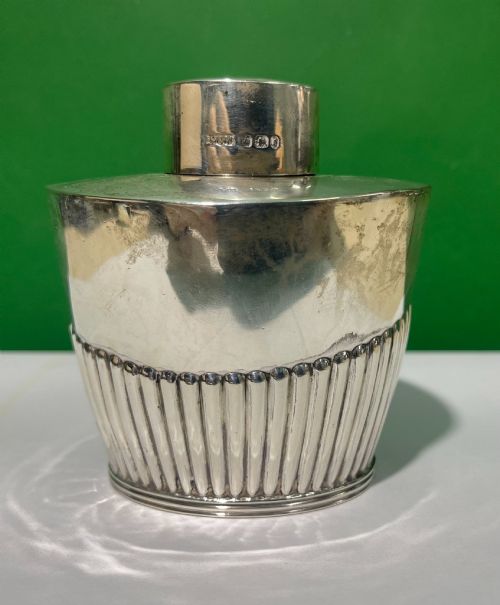
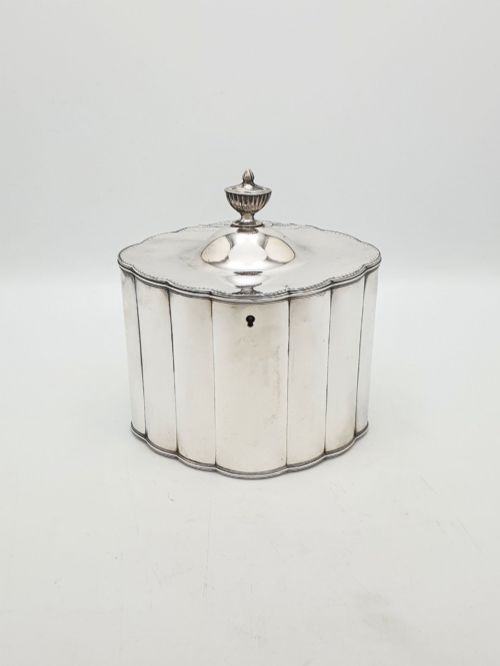
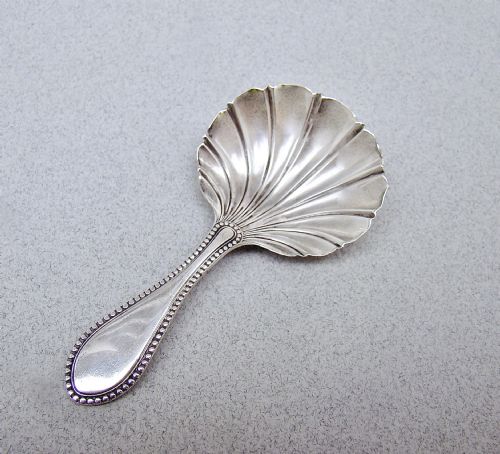
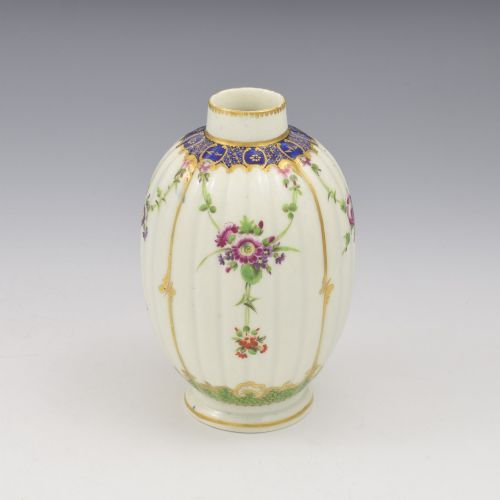
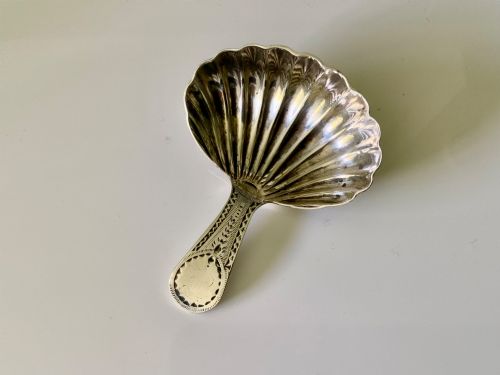
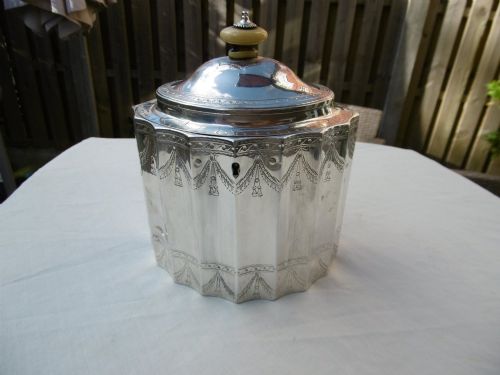
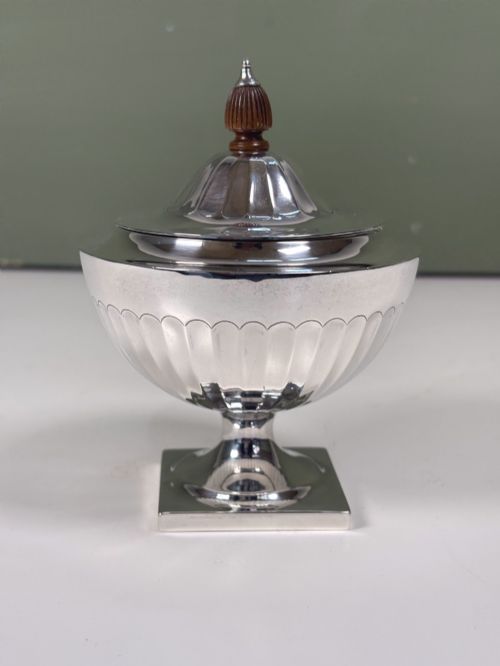
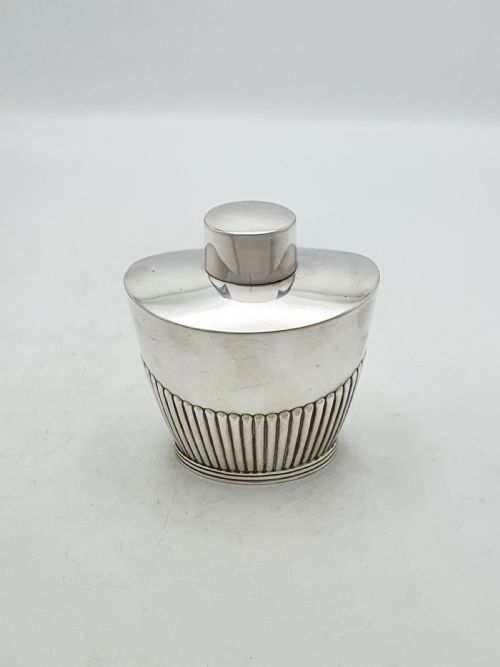
A fluted tea caddy takes various forms across the Georgian, Victorian, and Edwardian periods, appearing in sterling silver, silver plate, soft-paste porcelain, and wood. Buyers seeking this specific design encounter canisters and caddy spoons shaped with vertical channels that catch the light.
The selection ranges from eighteenth-century George III silver and Worcester porcelain canisters to later Edwardian revivals and Mappin & Webb silver plate. Most examples reflect classic neoclassical taste or the later revivals spanning from eighteen-hundred to nineteen-twenty.
How they were made
Silversmiths formed metal vessels by hammering sterling silver, Sheffield plate, or copper, then chasing or repousséing the characteristic fluted panels into the body. Makers like Robert Hennell applied precise skill to shape thin sheets into sturdy tea canisters and delicate caddy spoons.
Potters threw soft-paste porcelain on a wheel or pressed clay into moulds to create fluted tea canisters, subsequently painting them with blue and white or polychrome glazes. Cabinetmakers shaped wood and ebonised timber to achieve similar reeded or fluted surface patterns.
Fluted Tea Caddy Retail Price Guide 2026
Typical asking prices for fluted tea caddy among the pieces listed under this phrase on Sellingantiques today, from the lower quarter to the upper quarter. They describe what is for sale here now, not the wider market.
Listings feature sterling silver, silver plate, soft-paste porcelain, and ebonised wood across Georgian, Victorian, and Edwardian periods.
What varies in quality
Subtlety and depth of the fluting separate standard production from superior craftsmanship, where the channels maintain crisp edges and uniform spacing around the vessel. Weight and gauge of the metal also dictate quality, as heavier sterling silver pieces provide a more substantial feel in the hand.
The crispness of hallmarks, the retention of original gilding inside silver vessels, and the fidelity of painted porcelain details distinguish finer workshop output. Maker attribution, such as pieces bearing the mark of Martin Hall & Co or Goldsmiths and Silversmiths Co, adds notable distinction.
Martin Hall & Co·Robert Hennell·Mappin & Webb·William Neale·Goldsmiths and Silversmiths Co
The Fluted Tea Caddy Glossary
- Fluting
- Vertical parallel grooves pressed, carved, or chased into the surface of metal, wood, or porcelain. This decorative technique creates rhythmic shadows across the body of the vessel.
- Caddy spoon
- A small spoon specifically designed for measuring loose tea leaves from the caddy into the teapot. These companions often share the stylistic motifs of the main canister.
- Soft-paste porcelain
- An early ceramic composition fired at lower temperatures than true hard-paste porcelain, common in eighteenth-century English factories like Worcester. It yields a warm, slightly creamy glaze.
- Sheffield plate
- A composite material made by fusing a thin sheet of sterling silver to a thicker copper base, developed in the eighteenth century. It predates modern electroplating.
- Neoclassical
- A style spanning the Georgian era that draws inspiration from classical antiquity, favouring symmetry, urn shapes, and clean fluted lines.
Fluted Tea Caddy: Frequently Asked Questions
How are fluted tea caddies dated?
Silversmiths stamped official hallmarks onto metal pieces, recording the assay office, year letter, and maker's mark to establish the exact period of creation.
Porcelain canisters rely on factory marks, glaze characteristics, and stylistic comparisons to eighteenth-century production standards.
How do I care for silver tea caddies?
Sterling silver and silver plate require gentle cleaning with a soft cloth and proprietary polish to remove tarnish without abrading the chased fluting. Avoid harsh chemical dips that strip away desirable patination.
Porcelain canisters should be dusted gently and kept away from direct moisture to protect old glaze surfaces.
Were these caddies used for green or black tea?
Georgian tea caddies held expensive imported leaves under lock and key to protect precious household commodities from servants and guests. Separate compartments inside larger boxes sometimes divided green tea from black.
Smaller single canisters served daily drawing room needs.