
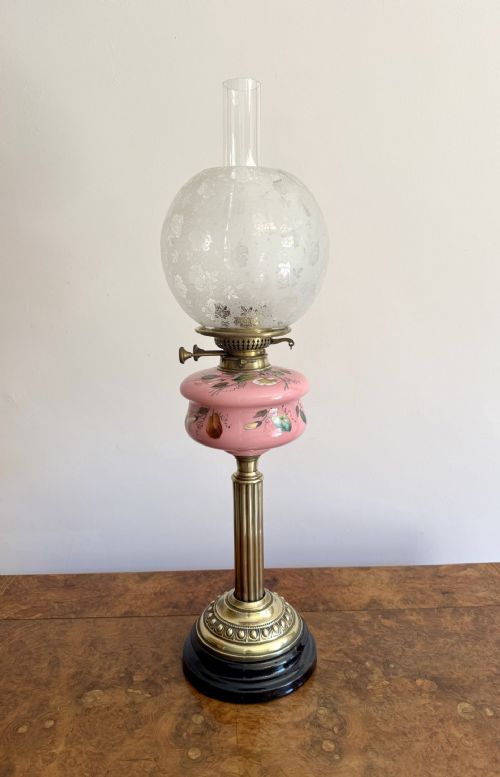


Fluted Glass Shade
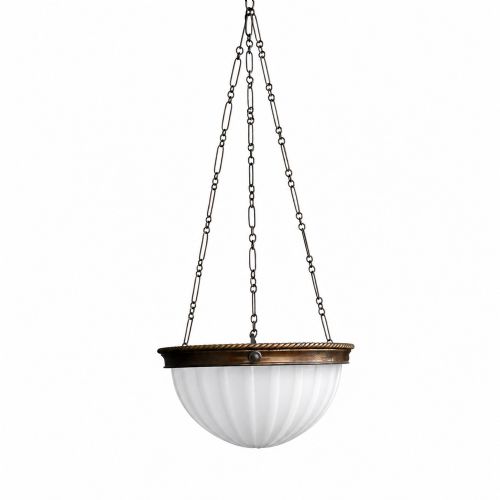
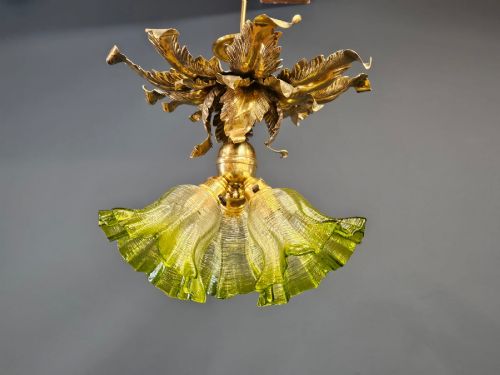
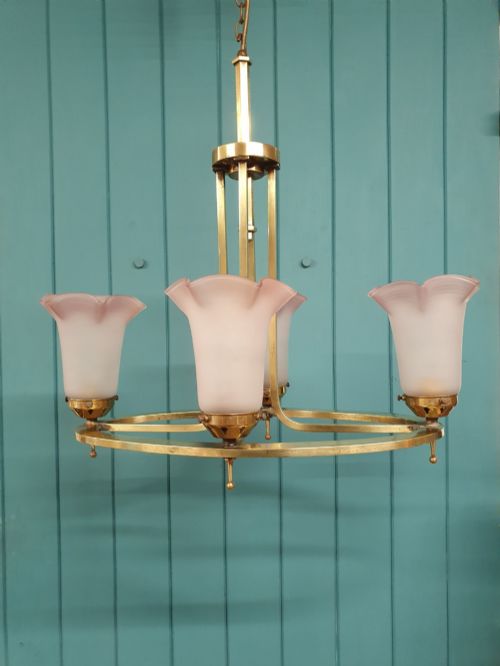
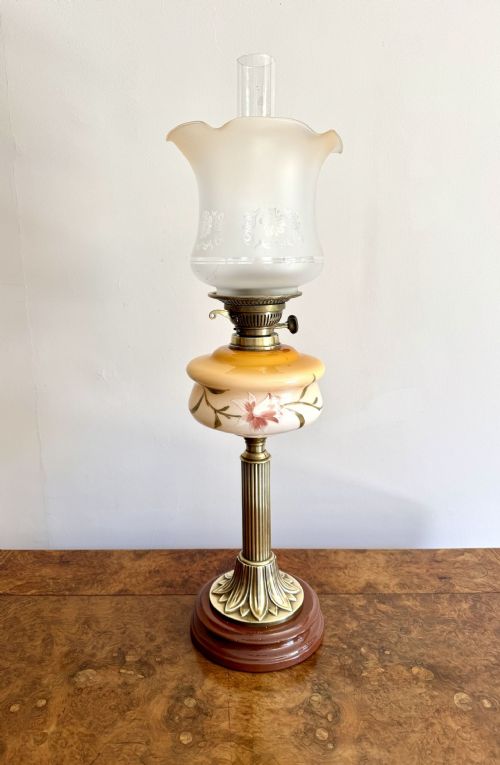
A fluted glass shade diffuses light with rhythmic, moulded precision, bringing period character and soft illumination to historic and contemporary interiors alike.
Fluted Glass Shade
When searching for a fluted glass shade, buyers encounter lighting components designed to direct and soften illumination across domestic spaces. These fixtures appear primarily as pendant lights, ceiling pendants, and replacement shades for period oil lamps.
The selections span from the Victorian and Edwardian eras into the Art Deco period of the 1920s and 1930s. Common regional origins include English and French workshops producing domestic and industrial lighting.
Most examples integrate directly with brass galleries or mount upon historic lamp bases. The fluting ranges from subtle scalloped edges to sharp geometric moulding across various glass compositions.
How they were made
Glassmakers utilised mould-blowing techniques to shape molten material into fluted profiles, incorporating specialised glass types such as cranberry, opaline, moonstone, and frosted finishes. These varied glass recipes produced distinctive translucent qualities and rich colourations.
Mounting hardware typically relied on turned and cast brass components to secure the delicate glass bodies. Metal galleries gripped the upper rims of the shades, allowing suspension from chains or rigid brass stems.
Some Victorian shades required a delicate touch to avoid startling the household during late-night paraffin refills.
What varies in quality
The distinction between standard production and superior examples lies in the crispness of the moulded flutes and the weight of the glass body. Thicker glass displays deeper refraction and more uniform colour distribution.
Metal mountings demonstrate quality through the precision of their casting and the finish of the brass. Original galleries and matching period fixings elevate the integrity of the completed light fitting.
The Fluted Glass Shade Glossary
- Fluting
- Vertical parallel grooves moulded or cut into the surface of the glass shade. This technique helps disperse light evenly while adding tactile texture to the fixture.
- Opaline glass
- An opaque or translucent white glass developed during the nineteenth century. It diffuses a soft, milky glow that reduces glare from internal light sources.
- Cranberry glass
- A rich red glass created by adding gold chloride to the molten batch. It yields deep pink and crimson tones highly favoured in Victorian lighting.
- Gallery
- The metal ring or collar that holds a glass lampshade in place. Galleries often feature tightening screws to secure the shade safely to the pendant fitting.
- Moonstone glass
- A semi-translucent glass exhibiting a soft, shimmering appearance resembling the gemstone. It provides gentle, atmospheric light diffusion.
Fluted Glass Shade: Frequently Asked Questions
How do I clean an antique glass shade?
Wash the glass gently in lukewarm water using mild, non-abrasive soap and a soft cloth. Avoid harsh chemical cleaners that might damage historic finishes or aged surfaces.
Dry thoroughly with a lint-free cloth before reattaching the shade to its brass gallery. Take care to support the weight of the glass fully during handling.
Are these shades compatible with modern light fittings?
Many period shades fit standard modern pendant drops if the fitter neck matches contemporary gallery dimensions. Measure the collar diameter carefully to ensure a secure physical fit.
Consult a qualified electrician when adapting historic lighting components for modern mains electricity. Safety standards require secure mechanical mounting for all glass shades.
What is the difference between opaline and moonstone glass?
Opaline glass presents a solid, milky white appearance with high opacity. It was widely used in Victorian and Edwardian utility and decorative lighting.
Moonstone glass possesses a softer, more ethereal translucency with subtle internal variations. This type creates a gentler ambient diffusion than solid opaline.
Can I use these shades outdoors?
Historic glass shades were engineered exclusively for indoor domestic or commercial interiors. Exposure to weather, moisture, and wind causes stress on both the glass and the original brass fittings.
Keep these delicate pieces within protected interior environments to preserve their materials. Outdoor placement risks irreversible damage to the antique glass and metalwork.