

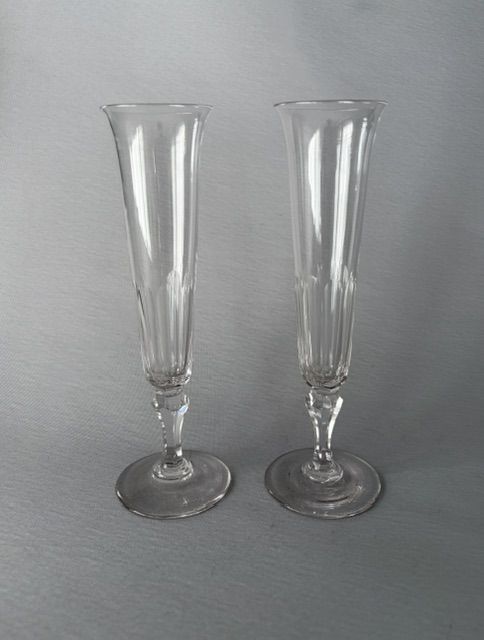
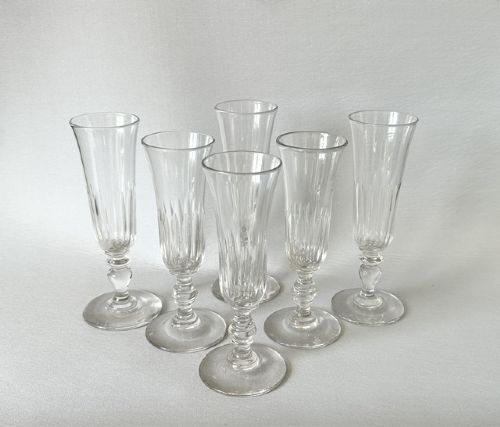

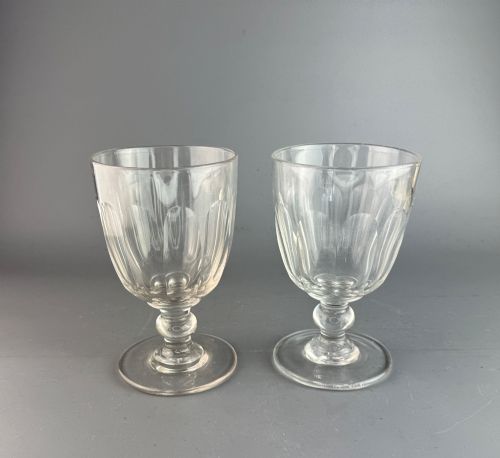


Fluted Crystal Glassware
Fluted crystal glassware combines precision cutting with delicate vertical facets, bringing historical elegance and refined drinking vessels to the modern table.
Fluted Crystal Glassware
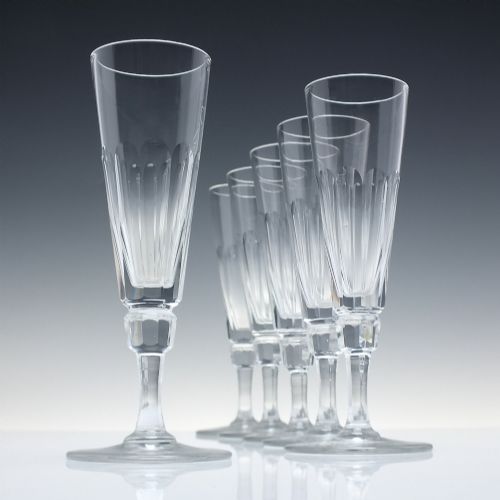
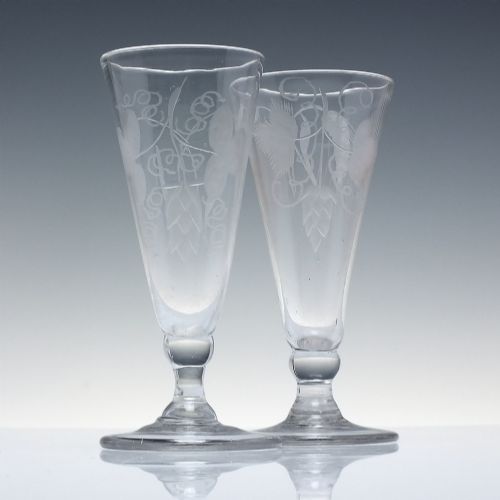
These items encompass drinking vessels, decanters, and champagne flutes originating from periods ranging from the 18th century through the Edwardian era and the 1920s. Buyers encountering this selection will discover distinct forms such as Georgian ale glasses, Victorian champagne flutes, and early 19th-century sherry glasses.
The objects serve primarily as functional tableware and decorative display pieces, demonstrating historical manufacturing methods. Forms vary from wine glasses featuring flute-moulded ogee bowls to large cut glass rummers and robust decanters.
Materials and construction methods
Many examples are manufactured from lead crystal, lead glass, and flint glass, which provide the weight and clarity necessary for intricate surface decoration. Hand-blown glass forms the foundation of earlier pieces, allowing artisans to manipulate wall thickness and shape.
Cut glass and cut crystal techniques involve wheel-cutting deep facets into the hardened material to create the characteristic flutes and optical patterns seen on Victorian and Edwardian items.
Fluted Crystal Glassware Retail Price Guide 2026
Typical asking prices for fluted crystal glassware among the pieces listed under this phrase on Sellingantiques today, from the lower quarter to the upper quarter. They describe what is for sale here now, not the wider market.
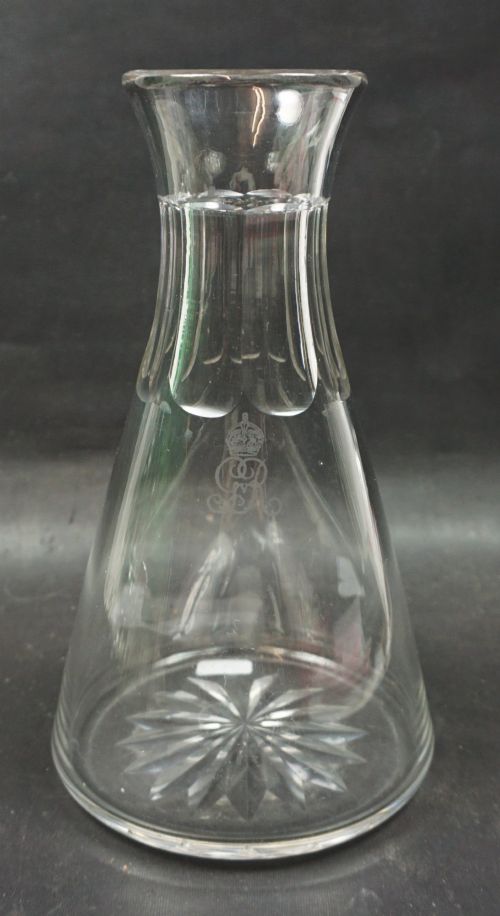
A carafe monogrammed for King George V brings royal hydration straight to the modern sideboard.
Distinctions in craftsmanship
The standard of execution depends on the crispness of the wheel-cut facets and the symmetry of the vessel walls achieved by the blower. Superior examples maintain precise alignment in decorative twists and engravings without distortion in the clear glass.
Material composition and period-specific finishing techniques also influence the character of each piece, distinguishing utilitarian items from exhibition-quality works designed by notable designers.
Moser
The Fluted Crystal Glassware Glossary
- Flute-moulded
- A decorative technique imparting vertical channels or ribs into the bowl of a glass during blowing. This method precedes or complements subsequent wheel-cutting.
- Air twist
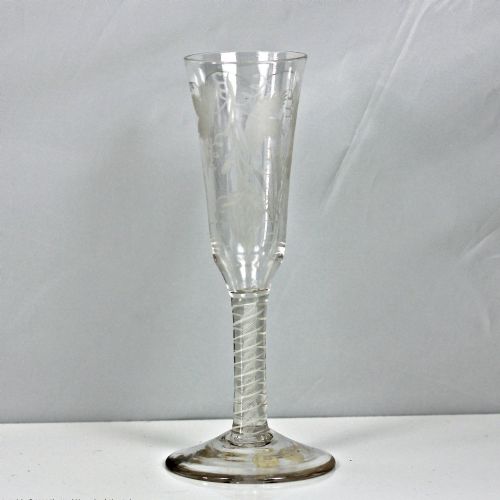
- A decorative stem formation enclosing elongated spiralling air bubbles within the glass. Makers created these by drawing out air trapped in the metal during formation.
- Opaque twist
- A stem style featuring white or coloured enamel glass threads twisted within a clear glass rod. These threads produce intricate double or mixed twist patterns.
- Rummer
- A large, sturdy drinking glass popular in the Georgian and Victorian periods, typically featuring a short stem and a capacious bowl used for ale or wine.
- Flint glass
- A heavy, highly refractive type of glass containing lead oxide, known for its brilliance and clarity. It provides an ideal medium for deep cutting and polishing.
Fluted Crystal Glassware: Frequently Asked Questions
How do I clean antique crystal glassware safely?
Wash each piece individually by hand using warm water and a mild, non-abrasive liquid detergent. Avoid sudden temperature changes to protect the historical material.
Dry the glass immediately with a lint-free linen cloth to prevent water spots and maintain the clarity of the cut facets.
Can I use these antique glasses for daily dining?
These historical vessels are delicate and benefit from careful handling during special occasions rather than everyday use. Hand-blown and cut crystal requires gentle treatment to preserve its surface.
Store them securely in a cabinet with adequate clearance between pieces to prevent chipping on the rims and stems.
What is the difference between lead glass and standard glass?
Lead glass incorporates lead oxide into the batch, which increases its weight, refractive index, and resonance when struck. This composition allows artisans to achieve deeper cuts and sharper facets.
Standard glass lacks this heavy metal content, resulting in a lighter feel and less light dispersion through the decorative surfaces.
How do I identify a Georgian ale glass?
Georgian ale glasses typically feature tall, narrow bowls designed to preserve effervescence, often supported by air twist or opaque twist stems. Many incorporate flute-moulding at the base of the bowl.
The metal often displays characteristic surface wear and slight imperfections consistent with 18th-century hand production methods.