

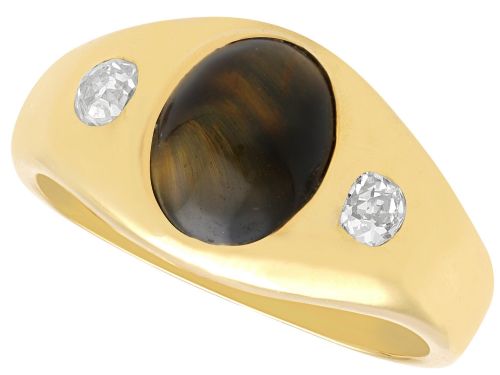
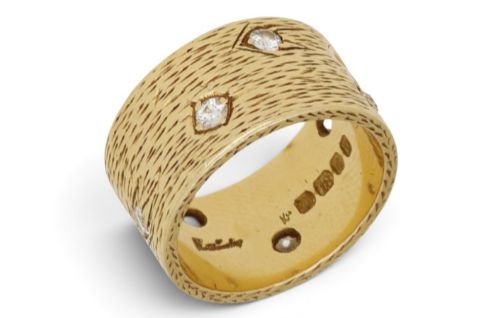
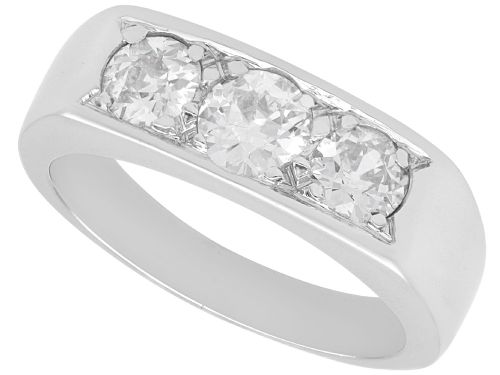

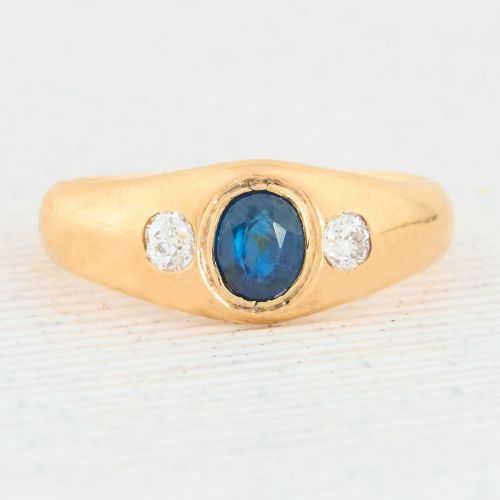


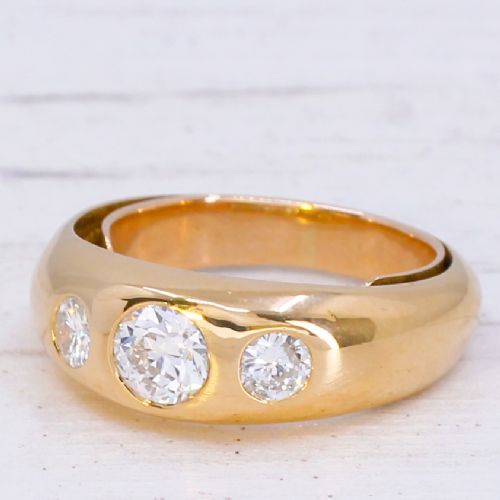


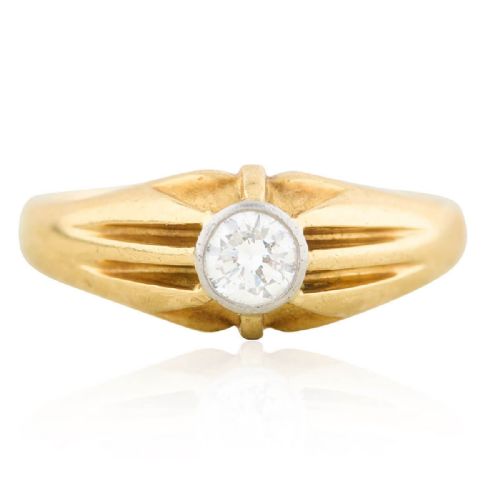


Flush Set Gold Band
A flush set gold band sinks stones directly into the metal, offering a smooth, snag-free profile that suits daily wear.
Flush Set Gold Band
When you search for a flush set gold band, you encounter rings where stones sit level with the surrounding metal rather than rising in tall prongs. The selection on this page leans heavily toward nineteenth-century, Edwardian, and mid-century examples executed in various grades of yellow gold, alongside occasional white gold iterations.
Most pieces on display take the form of traditional gypsy rings, starburst settings, or celestial motifs. These designs integrate diamonds, rubies, sapphires, and turquoise directly into the band, often featuring old cut stones or star engravings radiating from the gems.
How they were made
Maker's hands fashioned these bands from 15ct yellow gold, 18ct gold, and 14ct white gold, hammering and casting the precious metal to create sturdy hoops. Stones including old cut diamonds, sapphires, and rubies were then pushed or burnished directly into flush cavities within the metal wall.
Engravers often worked around the gems with hand tools, cutting bright star patterns or celestial motifs into the gold surface. This technique held the stones securely while adding decorative texture to the smooth profile of the ring.
Flush Set Gold Band Retail Price Guide 2026
Typical asking prices for flush set gold band among the pieces listed under this phrase on Sellingantiques today, from the lower quarter to the upper quarter. They describe what is for sale here now, not the wider market.
Stones appearing across the current selection include diamonds, sapphires, rubies, and turquoise set into rings.
What varies in quality
The standard of a flush set gold band rests upon the crispness of the hand engraving and the precision of the metal work around the gems. Sharp starburst cuts and even bezels indicate skilled bench work, whereas worn or muddy engraving suggests heavy past polishing or hurried initial manufacture.
Quality also hinges on the selection and matching of the stones themselves, particularly in multi-stone layouts like trilogy and five-stone rings. Well-matched old cut diamonds and vibrant natural rubies or sapphires elevate a piece beyond standard production.
The Flush Set Gold Band Glossary
- Flush set
- A stone setting technique where the gem is sunk level with the surrounding metal surface. This creates a smooth exterior profile that resists catching on clothing.
- Gypsy ring
- A style of ring featuring stones set flush into a heavy, tapering band. Popularized in the Victorian era, these rings suit both men and women.
- Old cut
- A diamond cutting style prevalent before modern brilliant standards, characterised by higher crowns, smaller tables, and open culets. These cuts produce a softer, candlelit sparkle.
- Celestial
- A design motif incorporating stars, sunbursts, or moon elements into the metalwork. Such decoration often surrounds flush-set stones in nineteenth-century jewellery.
Flush Set Gold Band: Frequently Asked Questions
What is a flush set gold band?
A flush set gold band is a ring where diamonds or coloured stones sit level with the metal surface. This design protects the girdle of the stone and prevents snagging.
Such rings appear frequently in Victorian and Edwardian pieces, often styled as gypsy or starburst bands.
How do I wear an antique gypsy ring?
These rings work well worn alone on the hand or stacked alongside plain bands. Their low profile makes them comfortable for daily wear.
Because the metal surrounds the stones entirely, they endure regular use better than high prong-set rings.
How do I tell Victorian bands apart from mid-century ones?
Victorian and Edwardian examples often feature hand-engraved starbursts and 15ct or 18ct yellow gold. They frequently utilise old cut diamonds.
Mid-century pieces from the nineteen-fifties and sixties may use white gold or platinum alongside different carat weights and sharper modern machinery marks.
Are these bands suitable for everyday use?
The flush setting secures stones firmly within the gold band, offering robust protection for the gems. This makes them practical choices for regular wear.
Checking the thickness of the gold band ensures the ring retains its structural integrity over time.