


Florentine Chandelier
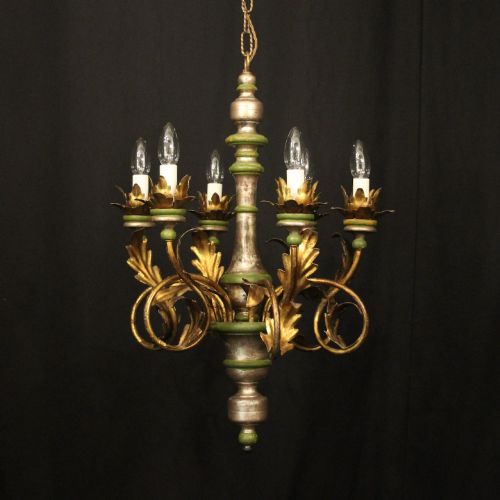
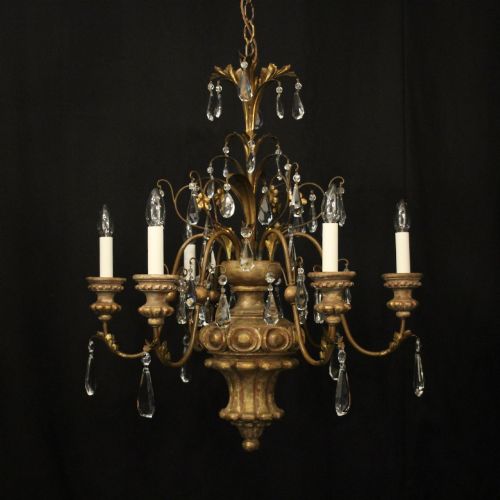
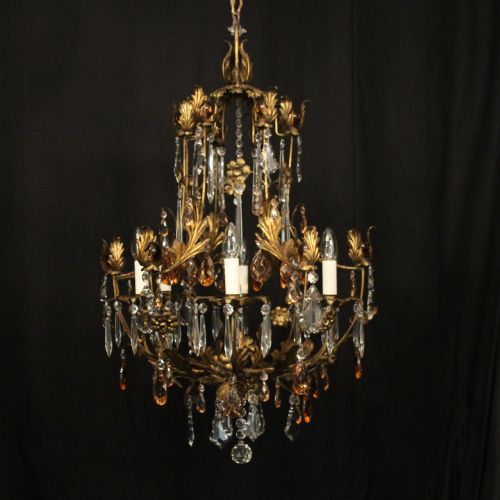
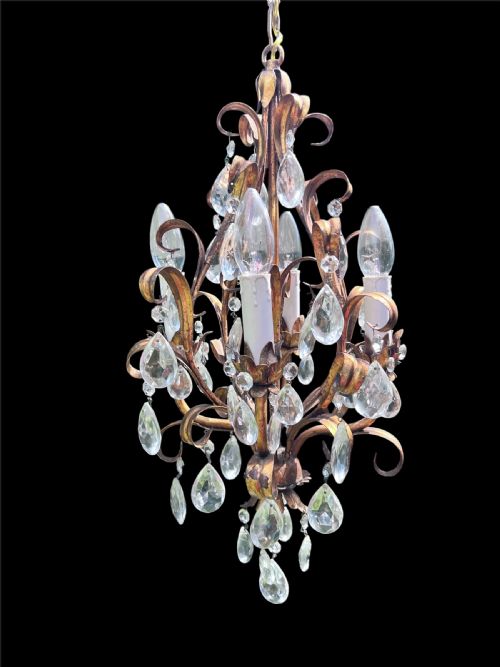
A florentine antique chandelier brings carved giltwood, branching light arms, and crystal drops into a room as an ornate centrepiece.

Florentine Chandelier
When you search for a florentine antique chandelier, you encounter large, branching lighting fixtures originating primarily from Italy during the nineteenth and early twentieth centuries. These pieces carry regional styles such as Florentine Baroque and Italian Rococo Revival, defined by ornate frames.
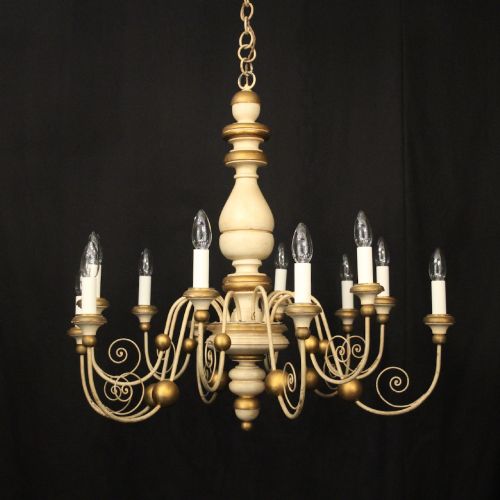
The most common versions met here date from the 1920s and 1930s, featuring multiple light arms arranged across single or double tiers. They range from compact three-light fixtures to massive twenty-four light structures designed for high ceilings.
Materials and Construction
Makers shaped wooden frames from giltwood, applying layers of gesso and gold leaf to create reflective surfaces that caught the candlelight or early electric bulbs. Polychrome finishes also appear, introducing painted details alongside the dominant metallic gilding.
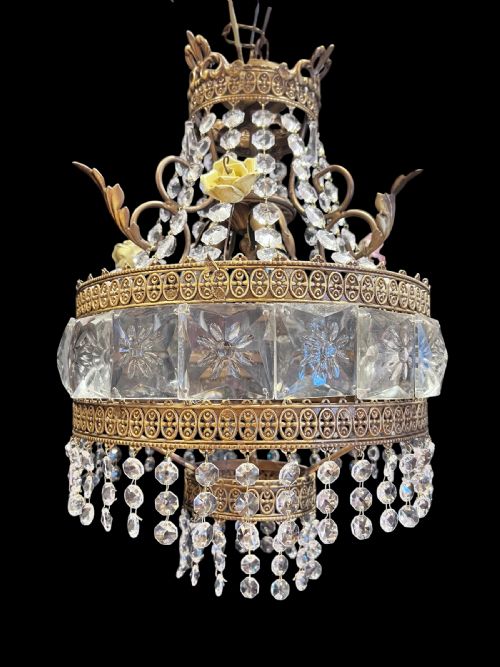
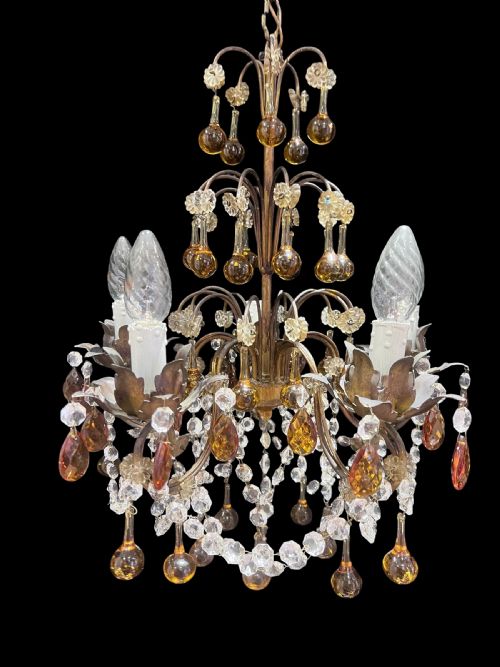
Crystals, beads, and coloured glass pendants hang from the framework, accompanied in certain examples by porcelain flowers and wrought iron elements. These varied components combine to build the dense, leafy silhouettes characteristic of the regional aesthetic.
Several chandeliers incorporate porcelain flowers alongside glass fruit, bringing an everlasting garden into the parlour.
Judging Quality and Execution
The sophistication of the hand-carved wooden foliage and the richness of the gilding set exemplary pieces apart from simpler output. Depth in the carving of scrolls and leaves creates distinct visual dimension across the arms and tiers.
The integration of glass components, including cut crystals and delicate beaded strands, dictates the overall harmony of the design. Heavier multi-tiered structures require robust internal framing to support the substantial weight of the glass and wood combined.
The Florentine Chandelier Glossary
- Giltwood
- Wood that has been coated with a thin layer of gold leaf. This surface treatment provides the bright metallic finish seen across the carved structures.
- Polychrome
- Painted in several colours. This decoration often highlights floral or leafy motifs on the wooden frames.
- Tier
- A circular row of light arms arranged horizontally on a fixture. Double-tiered examples stack one ring of lights above another for increased illumination.
- Gesso
- A plaster-like mixture applied to wood as a base for gilding. It allows craftsmen to model sharp relief details before applying gold leaf.
Florentine Chandelier: Frequently Asked Questions
How do I clean an antique chandelier?
Dust the structure gently with a soft feather duster to remove surface particles without disturbing delicate crystals or aged gilding.
For deeper cleaning, wipe components carefully using a damp cloth, avoiding harsh chemical cleaners that might strip the gold leaf.
How do I support a heavy chandelier?
Large multi-armed fixtures require a ceiling joist or dedicated structural support capable of holding substantial dead weight.
Professional installation ensures the hanging chain and ceiling hook safely bear the combined mass of wood, metal, and glass.
What rooms suit these large chandeliers?
High ceilings in principal reception rooms or hallways provide the vertical space necessary to display multi-tiered and expansive fixtures properly.
Their grand scale demands generous floor areas so the branching arms and hanging crystals sit in proportion to the surrounding furniture.