

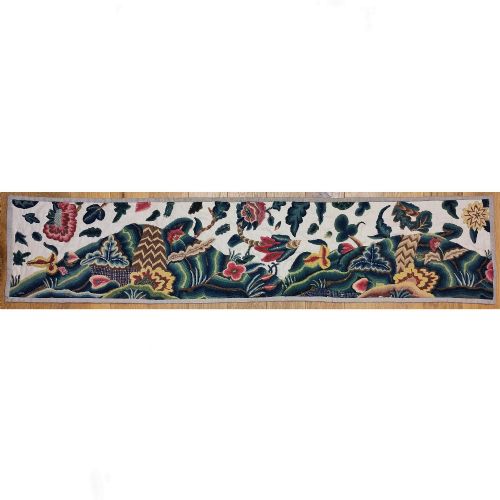


Floral Wool Tapestry
These floral wool tapestry pieces bring rich textile artistry into a room, offering historic woven botanical designs for your interior.
Floral Wool Tapestry
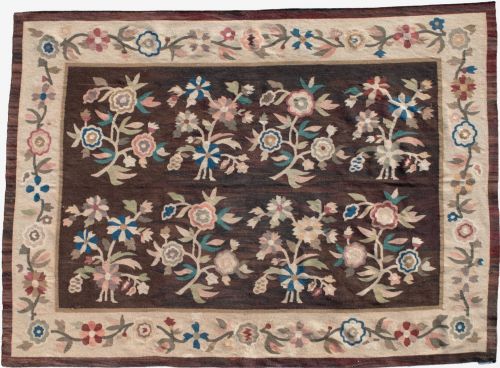
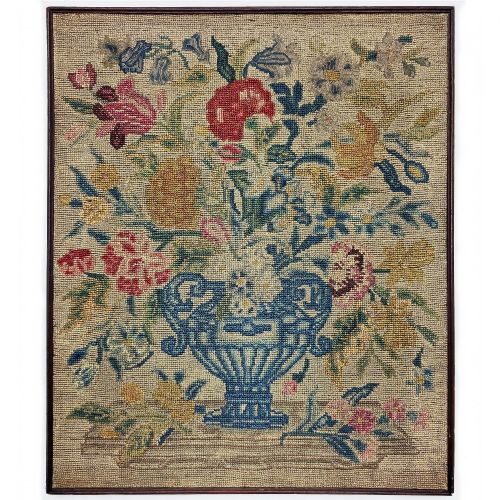
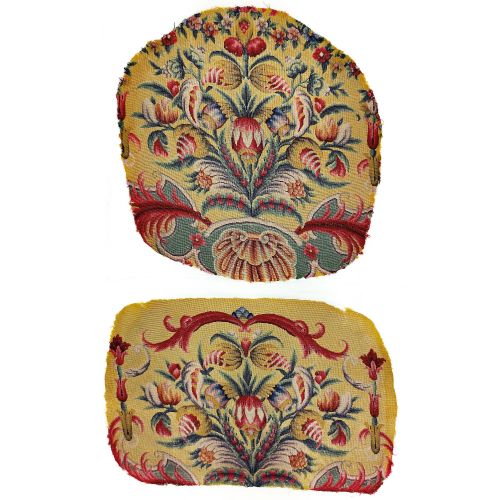
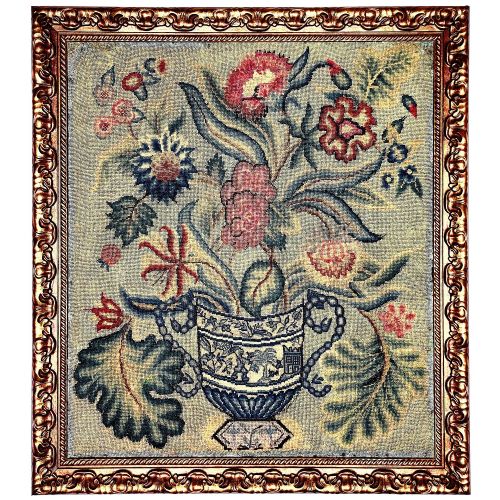
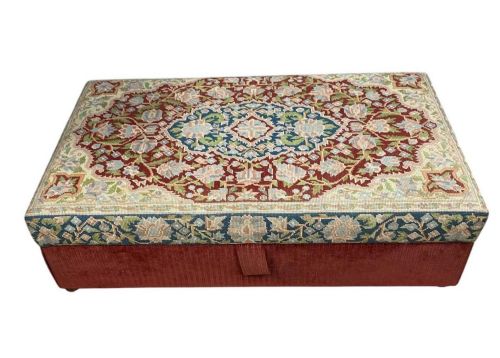
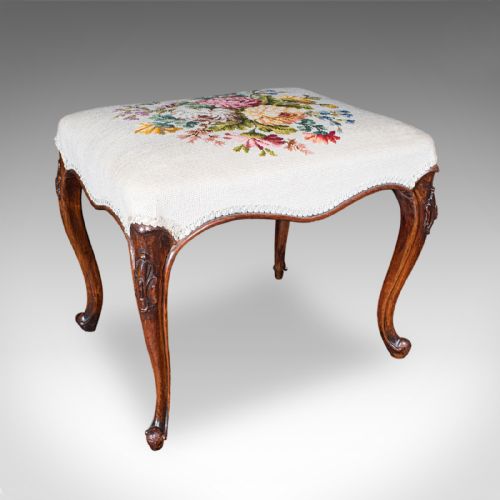
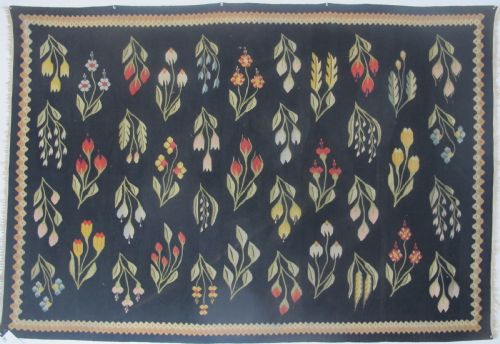
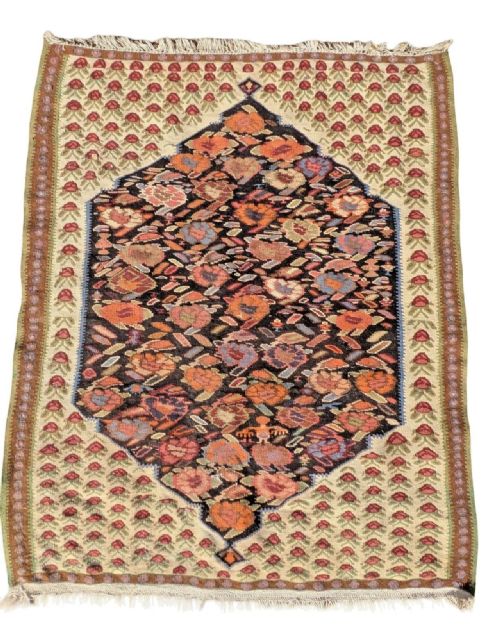
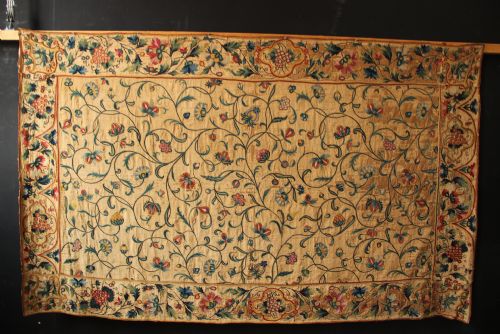
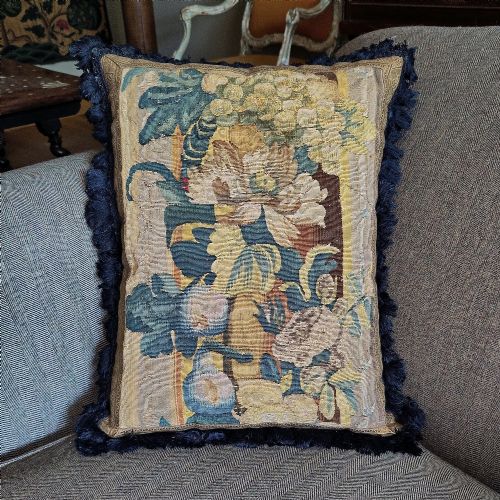
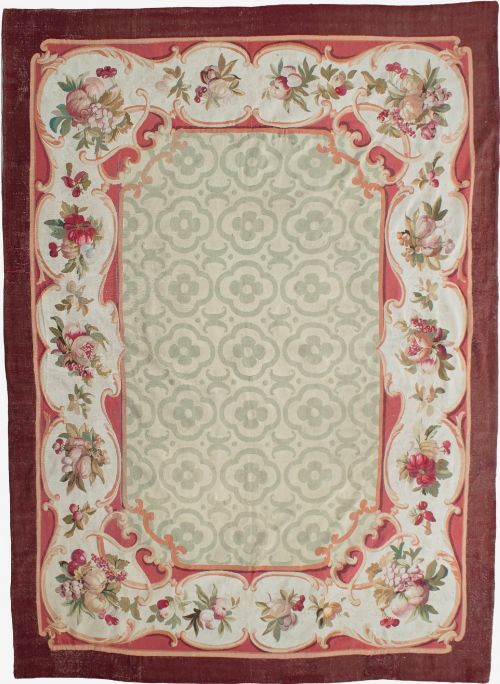
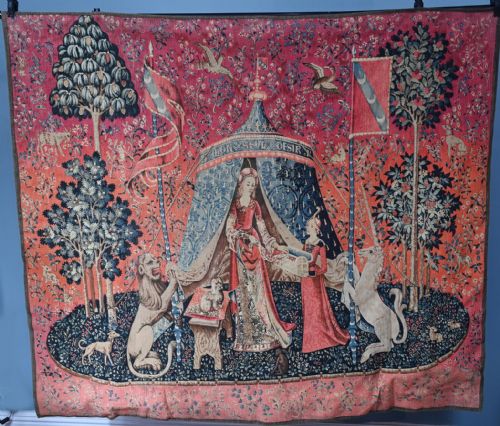
When you search for floral wool tapestry, you look at a broad group of historic textiles, wall hangings, rugs, cushions, and footstools spanning several centuries. The selection ranges from large French Aubusson carpets and wall coverings to smaller Bessarabian kilims, crewelwork panels, and needlework cushions.
You are most likely to meet 19th-century French Aubusson cushions and wall pieces, alongside early 20th-century Bessarabian kilims and Portuguese needlepoint items. Pieces span from the 16th century through to the mid 20th century, encompassing styles such as Baroque, Victorian, and French Chateau.
How they were made
These textiles rely on wool combined with materials like cotton, silk, linen, and canvas to build intricate botanical surfaces. Artisans worked these fibres using traditional weaving, needlepoint, crewelwork, and kilim techniques.
Support structures often incorporate wood, particularly in items like footstools, fire screens, coffee tables, and chairs featuring upholstered wool work seats.
Floral Wool Tapestry Retail Price Guide 2026
Typical asking prices for floral wool tapestry among the pieces listed under this phrase on Sellingantiques today, from the lower quarter to the upper quarter. They describe what is for sale here now, not the wider market.
The listings show items spanning from the 16th century to the mid 20th century, utilising wool, cotton, silk, linen, and canvas.
What varies in quality
Quality rests in the precision of the needlework and the depth of the woven botanical composition, separating standard decorative items from finer artistic examples. The crispness of the floral motifs and the harmony of the wool, silk, and cotton threads determine the visual impact.
The integrity of the underlying canvas or fabric foundation, alongside the preservation of the original fibres across centuries, dictates the enduring character of each piece.
The Floral Wool Tapestry Glossary
- Aubusson
- A style of tapestry and carpet originating from the French town of Aubusson, known for floral and architectural designs.
- Kilim
- A flatwoven carpet or rug produced in regions such as Bessarabia, utilising wool and cotton without a pile.
- Crewelwork
- A type of embroidery executed in wool on a sturdy fabric ground like linen or canvas, frequently depicting floral patterns.
- Needlepoint
- A form of canvas work where yarn is stitched through a stiff open-weave mesh to create dense pictorial surfaces.
- Verdure tapestry
- A historic woven wall hanging featuring a predominant landscape theme with trees, foliage, and botanical elements.
Floral Wool Tapestry: Frequently Asked Questions
Where should I hang a wall tapestry?
Large woven wall coverings suit substantial living spaces or hallways where ambient light is controlled.
Keep them away from direct sunlight to protect the wool and silk fibres from fading.
How do I clean an antique cushion?
Surface dust can be removed gently with a soft brush or low suction vacuum through a mesh screen.
Professional textile conservation is recommended for any deeper cleaning needs.
Are kilims suitable for floors?
Many flatwoven kilims and carpet pieces function well as floor coverings in moderate traffic areas.
Using an appropriate underlay helps prevent slipping and reduces wear on the wool fibres.
How do I date a needlework panel?
Dating relies on examining the specific wool types, canvas structure, and stylistic motifs present in the design.
Comparing the botanical arrangement to documented examples from periods like the 17th or 19th century provides further context.