

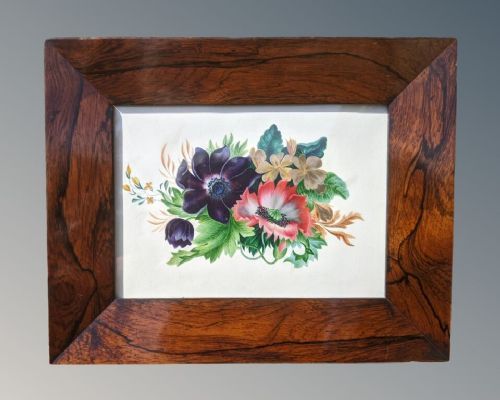


Floral Watercolour Art
Floral watercolour art brings together delicate washes and botanical detail, offering a tangible record of garden scenes and studies across multiple decades.
Floral Watercolour Art
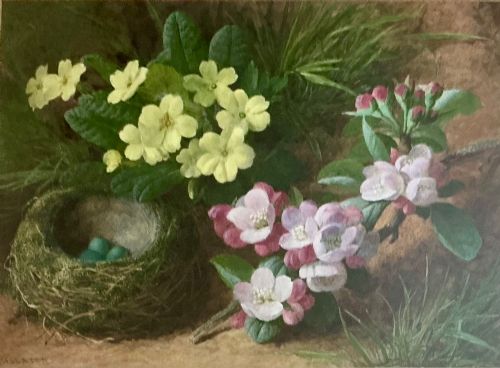
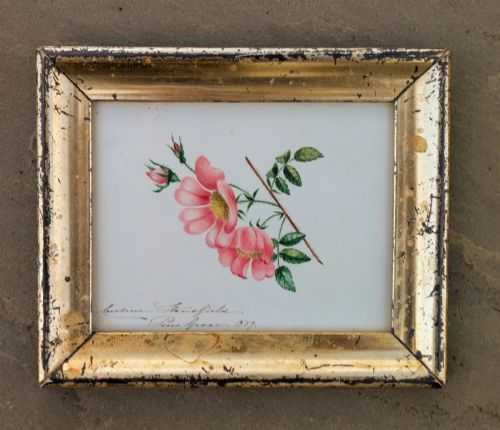
Floral watercolour art encompasses original paintings and wall art rendered in water-soluble pigments on paper, capturing subjects ranging from wild roses to arranged garden jugs. These pieces appear across various periods, including Victorian, Edwardian, and mid-century British movements.
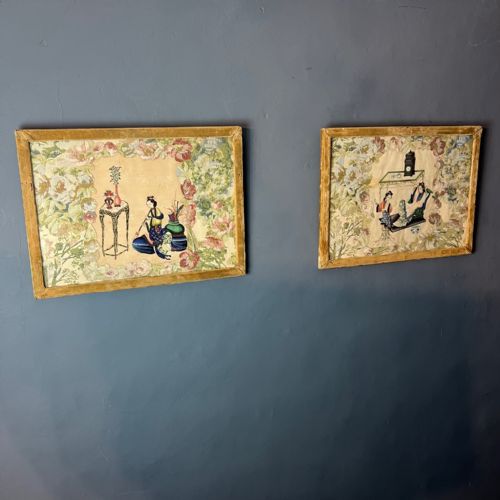
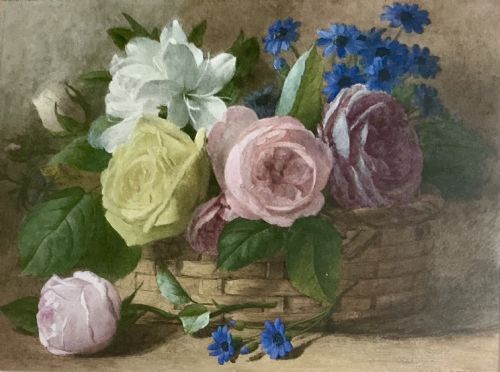
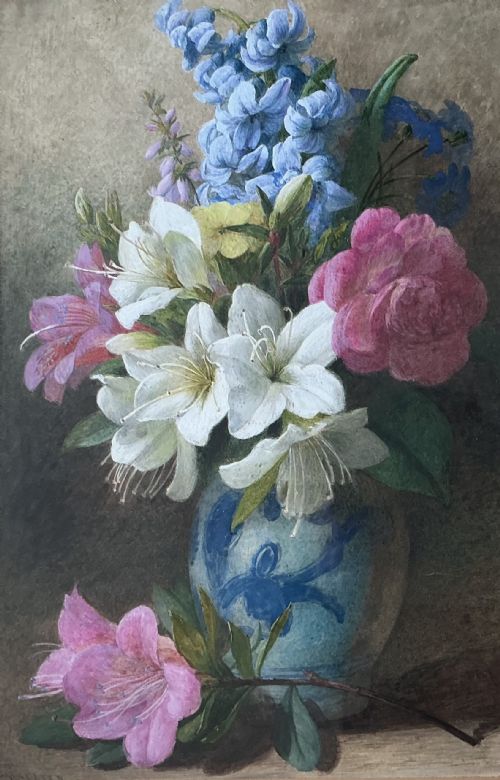
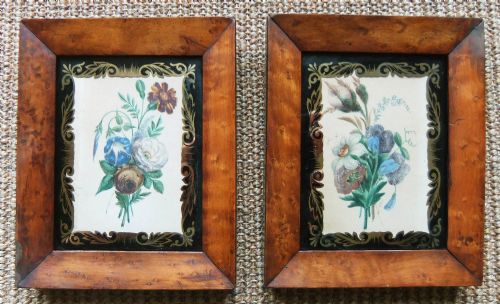
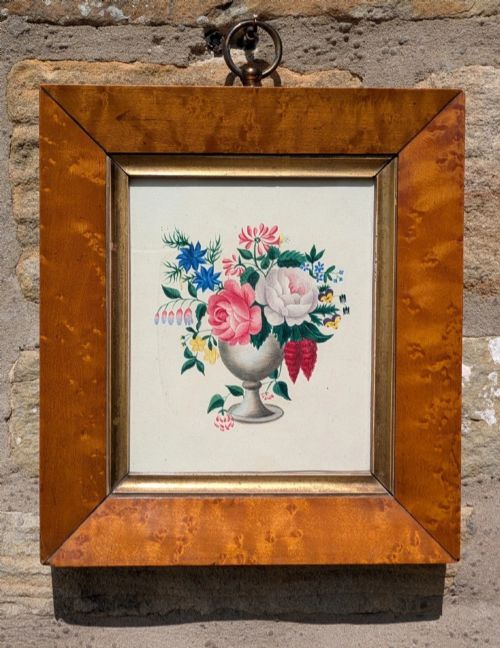
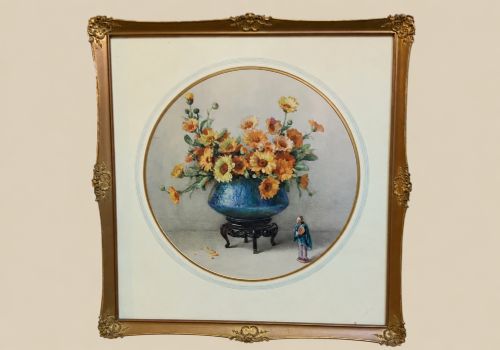
The most common examples on this page are framed still-life paintings and botanical studies executed by named artists from the nineteenth and twentieth centuries. Buyers encounter compositions featuring roses, azaleas, and summer flowers housed in period frames of wood or glass.
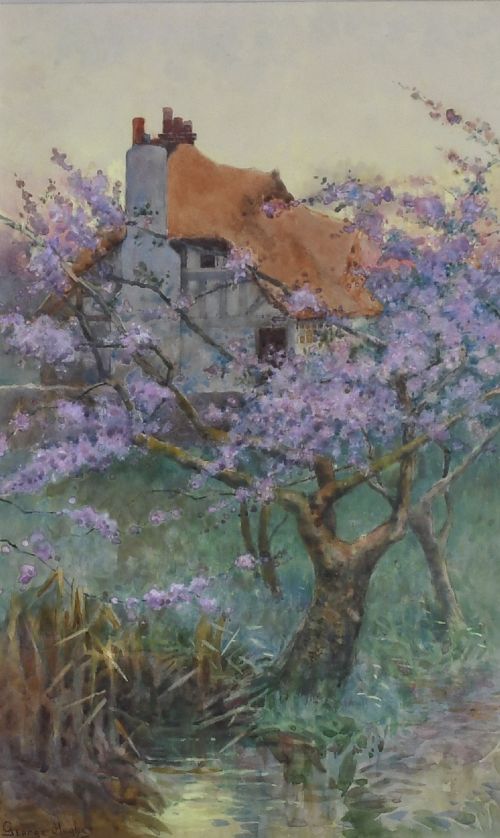
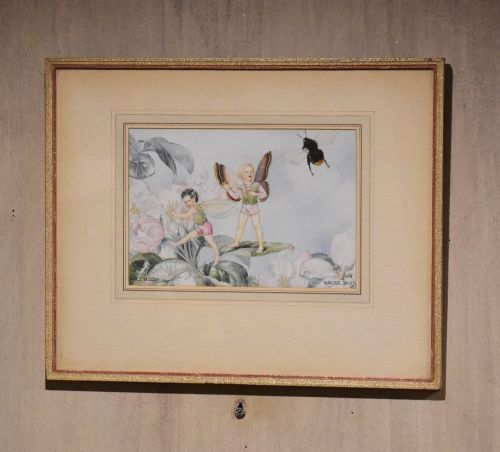
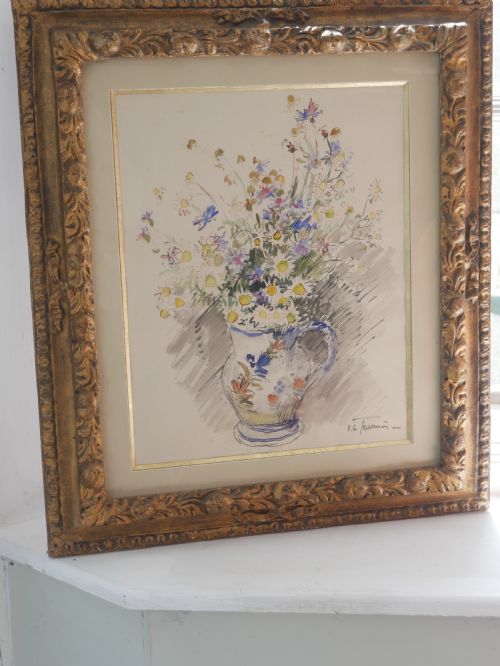
Works span from tightly rendered Victorian naturalism to looser mid-century interpretations of cottage gardens and vases. Each piece reflects the prevailing aesthetic of its decade, whether the strict botanical recording of the nineteenth century or the brighter palettes of the nineteen-fifties.
Materials and execution
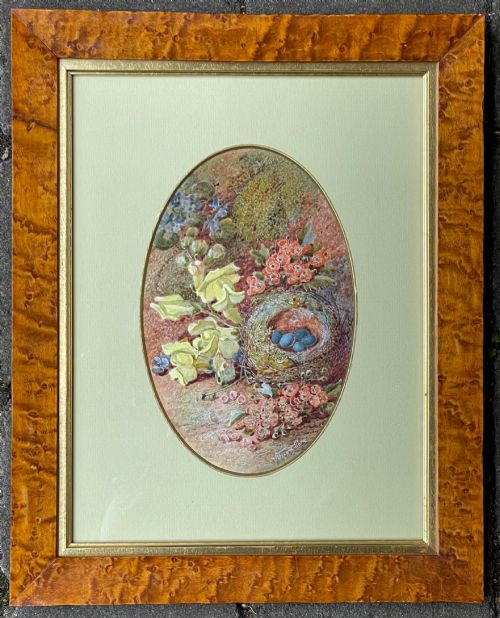
Artists painted primarily on paper supports using watercolour pigment, often integrating bodycolour or gouache to build opacity in flower petals and highlights. Some works incorporate gold leaf details or rest behind protective glass within period frames.
Techniques range from transparent washes that exploit the white of the paper to dense layers of pigment defining botanical specimens. Practitioners applied fine brushwork for intricate flower heads and broader strokes for foliage and background gardens.
Floral Watercolour Art Retail Price Guide 2026
Typical asking prices for floral watercolour art among the pieces listed under this phrase on Sellingantiques today, from the lower quarter to the upper quarter. They describe what is for sale here now, not the wider market.
Several artists captured the quiet drama of wartime domestic life by painting flowers gathered from their own rationed gardens.
Assessing quality and execution
Quality rests on the precision of the draughtsmanship and the control of the pigment washes across the paper. Stronger examples display depth in shadow and naturalistic botanical structure rather than flat, uniform colour application.
The distinction between standard decorative work and accomplished fine art lies in the handling of light, composition, and tonal balance within the floral arrangement or garden landscape.
James Tower·Marjorie L Davies·Vincent Clare·Lester Sutcliffe·Eloise Harriet Stannard·Theresa Stannard·Lilian Stannard
The Floral Watercolour Art Glossary
- Gouache
- An opaque water-based paint often used alongside watercolour pigment to add dense highlights and solid colour areas.
- Bodycolour
- Another term for watercolour paint containing a white pigment to render it opaque rather than transparent.
- Still life
- An artwork depicting inanimate subject matter, typically featuring cut flowers in jugs, bowls, or baskets.
- Botanical
- A style of painting focused on the accurate scientific portrayal of plant forms, leaves, and flowers.
- Aesthetic movement
- A late nineteenth-century design current emphasising visual beauty and artistic expression over narrative content.
Floral Watercolour Art: Frequently Asked Questions
How do I date an old floral watercolour?
Dating relies on the paper type, framing style, signature, and the specific artistic movement visible in the brushwork. Victorian and Edwardian pieces often exhibit tighter botanical precision compared to looser mid-century compositions.
Examining the back of the frame can also reveal old labels, gallery inscriptions, or handwritten notes that provide a specific year or artist attribution.
Are these paintings original works?
The pieces listed are original handmade paintings executed directly onto paper by individual artists rather than modern reproductions. Each work contains unique brush marks and pigment variations.
Signatures or attribution notes on the front or reverse confirm the individual authorship of the paintings.
How should I frame and display them?
Watercolours require framing behind glass with acid-free mounts to prevent direct contact between the paper surface and the glazing. This setup protects the delicate pigments from atmospheric moisture and physical damage.
Displaying the artwork away from direct sunlight preserves the original tones of the pigments, preventing the fading common in older paper works.
What subjects are most common?
Common subjects include cut flowers arranged in ceramic jugs, baskets of summer blooms, and detailed studies of garden flowers like roses, azaleas, and pelargoniums. Artists also painted wider garden landscapes and cottage scenes.
These subjects reflect the enduring popularity of botanical illustration and domestic floral decoration across the nineteenth and twentieth centuries.