




Floral Tea Service
A floral tea service brings botanical hand-painting and porcelain craftsmanship directly to the table.
Floral Tea Service
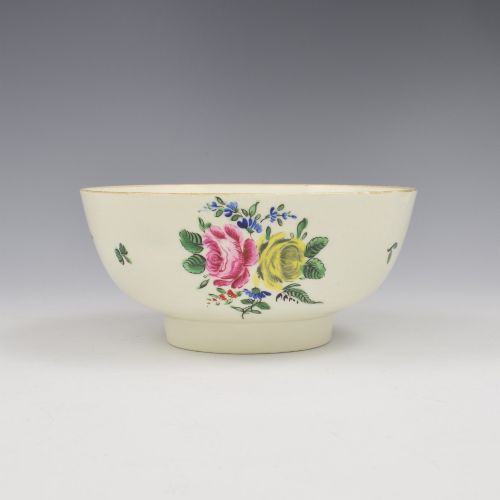
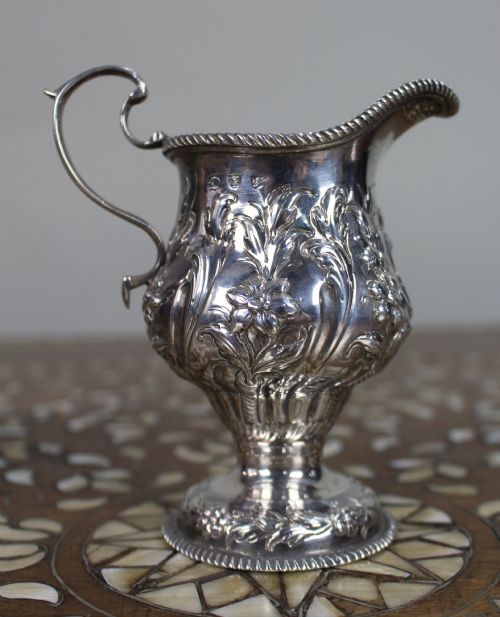
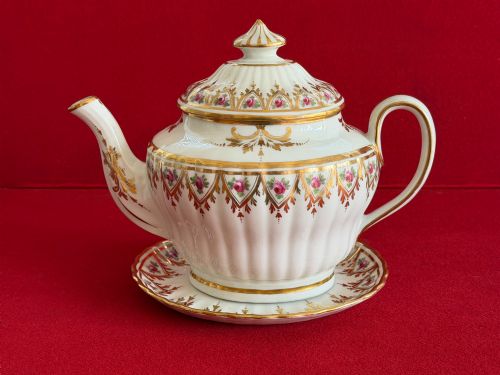
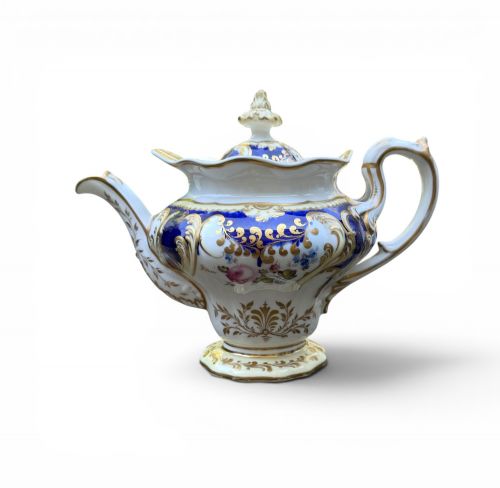
A floral tea service comprises matched or part sets of teapots, cream jugs, sugar bowls, cups, and saucers decorated with painted or transferred botanical motifs. These collections span the eighteenth, nineteenth, and early twentieth centuries, drawing on Georgian, Victorian, Edwardian, and Art Deco periods.
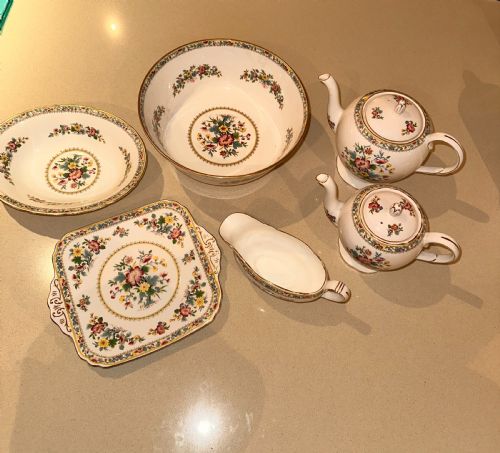
The most likely sets to encounter on this page are porcelain and bone china arrangements from Staffordshire potteries and English manufacturers like Coalport, Spode, and Minton. Forms range from intimate tea for two sets up to larger breakfast and tea services featuring hand-painted enamel flowers and gilt highlights.
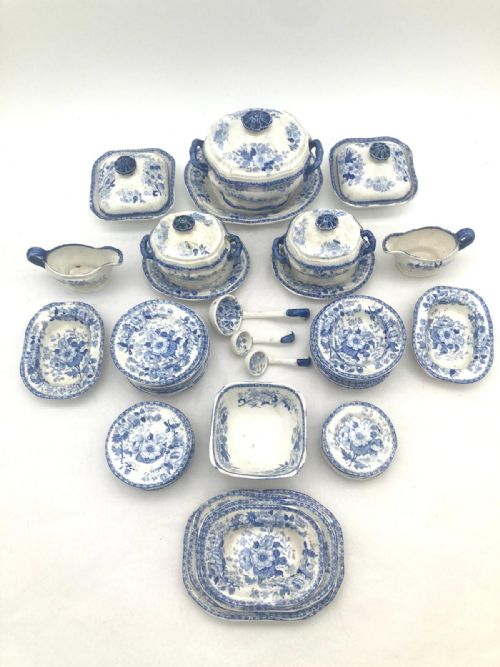
Makers utilised earthenware and porcelain bodies shaped into traditional vessels, sometimes accompanied by child's services and miniature dinnerware pieces. Stylistic influences cross from traditional English floral patterns into French Rococo Revival and Regency designs.
How they were made
Potters shaped porcelain, bone china, and earthenware bodies by hand or mould before applying glaze and firing in kilns. Artisans then hand-painted enamel floral details or applied blue and white transfer prints directly onto the ceramic surface.
Gilding with gold leaf was often added to rims, handles, and spouts to elevate the appearance of the tea service. Felspar porcelain and specialised bodies provided the smooth white canvas necessary for detailed botanical decoration.
Floral Tea Service Retail Price Guide 2026
Typical asking prices for floral tea service among the pieces listed under this phrase on Sellingantiques today, from the lower quarter to the upper quarter. They describe what is for sale here now, not the wider market.
Listings feature floral tea services spanning the 18th, 19th, and 20th centuries, utilising porcelain, bone china, earthenware, and gold leaf.
What varies in quality
The crispness and delicacy of the hand-painted enamel floral motifs distinguish finer services from simpler transfer-printed equivalents. Precision in the application of gold leaf and the subtlety of the porcelain body further separate standard wares from exceptional pieces.
Completeness and matching provenance across cups, saucers, teapots, and sugar bowls influence the structural integrity of a service. The reputation of the maker, such as Worcester, Coalport, or Minton, marks the distinction between ordinary ceramic wares and collector pieces.
New Hall Porcelain·Minton·Spode·Royal Worcester·Coalport·Clarice Cliff·Worcester·Thomas Harley·Wileman Foley Shelley·William Moorcroft·Thomas Wolfe
The Floral Tea Service Glossary
- Sucrier
- A small sugar bowl or pot with a fitted cover, typically included in a tea service to hold loose sugar.
- Felspar porcelain
- A specialised ceramic body developed by Spode containing feldspar, which produced a particularly durable and translucent white surface.
- Enamel
- Opaque glass-like pigments applied over or under the glaze to create vibrant, permanent floral decorations.
- Transfer printing
- A mechanical method of applying an engraved design onto ceramic surfaces using paper or tissue, common in blue and white patterns.
- Gilt
- A thin layer of gold leaf or gold paint applied to ceramic edges and handles for ornamentation.
Floral Tea Service: Frequently Asked Questions
What pieces comprise a complete tea service?
A complete tea service typically includes a teapot, cream jug, sugar bowl, alongside matching cups and saucers for multiple guests. Additional components can involve matching plates or waste bowls depending on the period.
Larger breakfast sets often expand these groupings to incorporate supplementary serving pieces and larger vessels suited for morning hospitality.
Can I use antique tea sets daily?
Antique tea sets constructed from eighteenth and nineteenth-century porcelain require careful handling if used for serving hot liquids. Hand washing without abrasive detergents protects the delicate enamel paintings and gold leaf gilding from degradation.
Many collectors prefer to display these fragile ceramic and bone china sets rather than subject them to modern daily use.
What is bat wing pattern porcelain?
The bat wing pattern is a distinctive decorative style found on porcelain from makers like Coalport, characterised by segmented panels resembling stylized wings. These sections frequently frame fine botanical or floral transfers and hand-painted details.
Pieces bearing this design typically date to the late nineteenth or early twentieth century during the Edwardian period.