
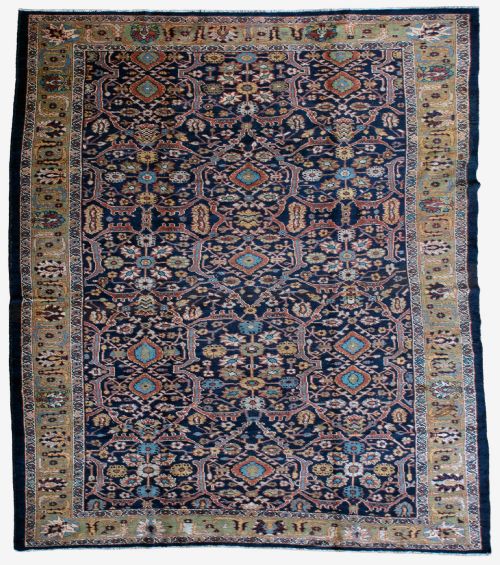
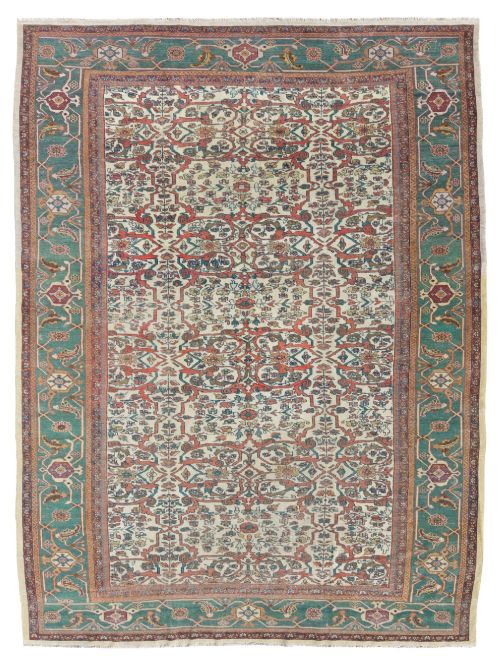
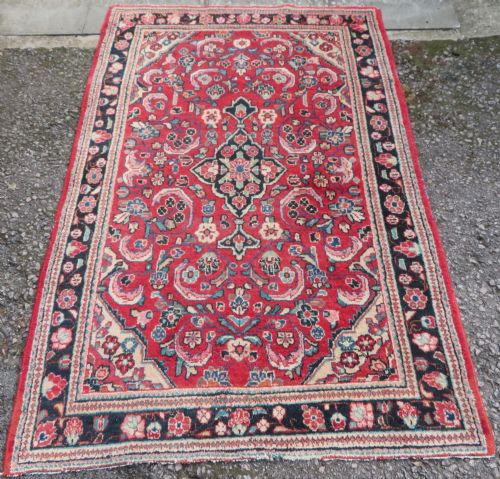
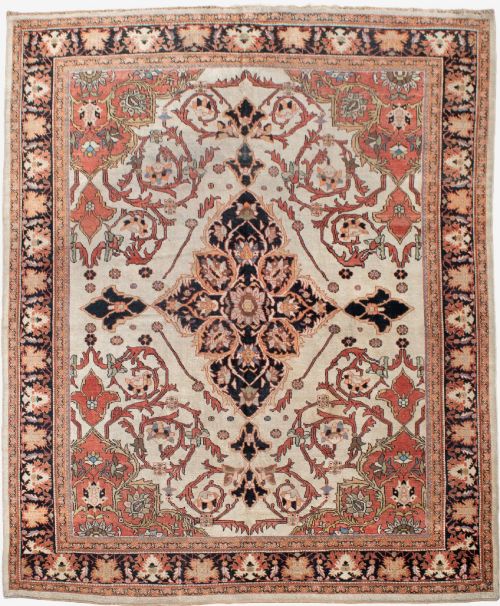


Floral Sultanabad Rug
A floral sultanabad rug brings grand Persian scale and softly muted colour into a room, offering durability alongside classic room-size presence.
Floral Sultanabad Rug
When you search for a floral sultanabad rug, you examine large-scale Persian carpets and room-size floor coverings originating from the late nineteenth and early twentieth centuries. These pieces display expansive botanical patterns and grand floral motifs that were often produced for Western tastes through firms operating in West Persia.
The version you most frequently encounter on this page is the room-size carpet, alongside related Mahal productions dating from the 1870s up to the 1930s. These floor coverings bridge traditional oriental styles and the lighter, more decorative palettes associated with Ziegler & Co.
Makers and weavers in the Sultanabad region utilised durable materials and expansive formats to supply large residences with enduring floor art. Each rug reflects the distinct village and regional weaving traditions of West Persia.
How they were made
These floor coverings were constructed using wool pile knotted onto cotton foundations, ensuring structural stability and resilience under heavy foot traffic. The combination of sturdy wool and firm cotton warps and wefts allowed large room-size carpets to maintain their shape over decades.
Weavers employed hand-knotting techniques to execute expansive floral designs, often dyed with natural colourants that mellowed gracefully over time. The dense pile absorbs light richly, giving the botanical motifs depth and subtle tonal variation.
Some carpets are so vast they could practically host a tea party for the village elders.
What varies in quality
The distinction between average and exceptional examples lies in the fineness of the knotting and the artistic execution of the floral drawing. Superior carpets exhibit crisp articulation in the botanical motifs and a harmonious balance across the entire field.
Dye consistency and the preservation of the original wool pile greatly influence the overall presence of the piece. Examples with well-maintained pile and subtle colour graduation stand apart from heavily worn or compromised specimens.
Ziegler & Co
The Floral Sultanabad Rug Glossary
- Sultanabad
- A West Persian carpet-producing region known for large-scale designs created for the export market. These rugs share stylistic ties with Mahal and Ziegler productions.
- Mahal
- A category of West Persian rugs and carpets often closely associated with Sultanabad weaving villages. They frequently feature room-size formats and traditional floral patterns.
- Ziegler
- A reference to the nineteenth-century firm that commissioned carpets in Persia for European and American tastes. Such pieces are noted for their softer palettes and grand floral compositions.
- Pile
- The upright yarn loops that form the usable surface of a carpet. In these antiques, the wool pile provides both comfort and durability.
- Warp
- The vertical foundation threads running the length of the rug onto which knots are tied. Cotton warps offer strong structural support for large room-size formats.
Floral Sultanabad Rug: Frequently Asked Questions
How do I care for a floral sultanabad rug?
Vacuum gently using suction only, avoiding the rotating brush roll to protect the antique wool pile. Professional cleaning should be undertaken periodically by specialists familiar with historic Persian textiles.
Keep the carpet out of direct, harsh sunlight to prevent natural dyes from fading unevenly across the large field. Rotating the rug every year ensures even wear patterns in high-traffic rooms.
Where were these carpets originally woven?
These pieces were produced in West Persia, specifically in and around the Sultanabad and Mahal districts. Many workshops operated under foreign commercial direction to supply large carpets to Western homes.
Local weavers combined traditional Persian designs with paler, open palettes tailored to Victorian and Edwardian drawing rooms. This cross-cultural demand shaped the distinctive aesthetic seen today.
How do I distinguish Sultanabad from Mahal carpets?
Sultanabad and Mahal rugs share geographic origins and similar grand floral vocabularies in their design. Distinctions often rely on specific weaving density, scale of pattern, and commercial attribution by dealers.
Both types utilise wool pile on cotton foundations and date primarily from the late nineteenth and early twentieth centuries. Nomenclature frequently overlaps due to their shared regional production.
Can I place these carpets in high traffic areas?
The sturdy wool pile and robust cotton foundations make these room-size carpets resilient enough for everyday living spaces. Their durable construction was originally intended to withstand heavy domestic use in large residences.
Using an appropriate underlay prevents slipping and cushions the foundation against hard flooring surfaces. This simple addition extends the working life of the antique wool.