

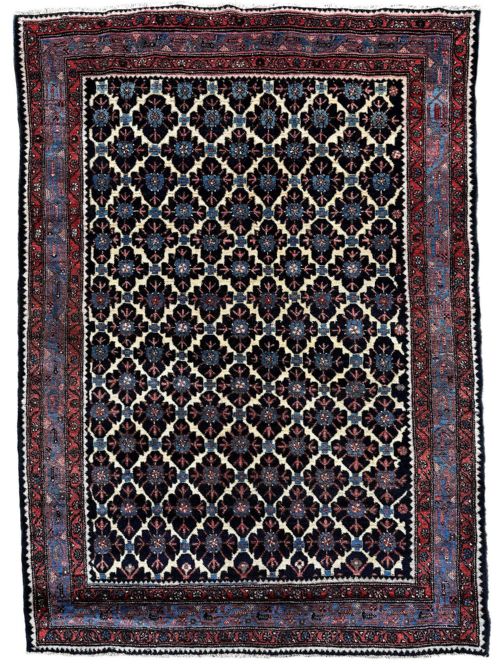


Floral Pattern Rug
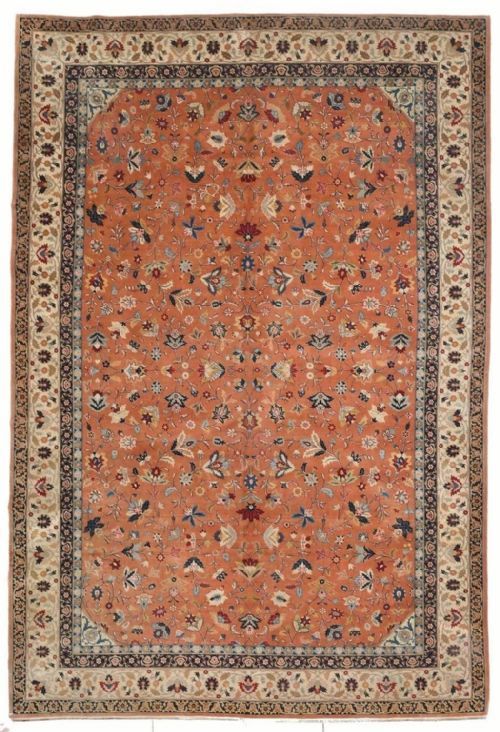
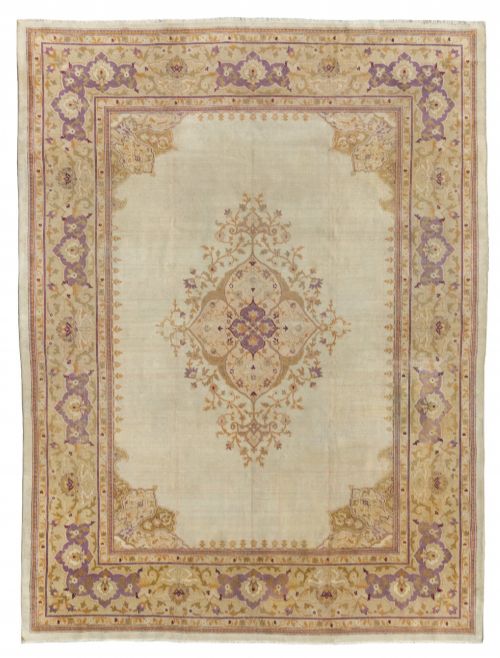
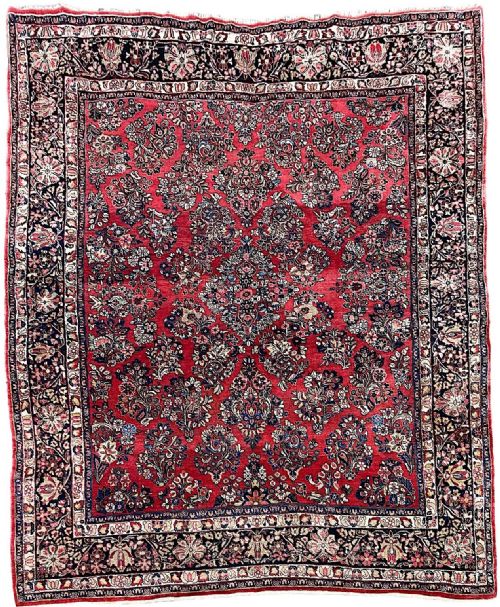
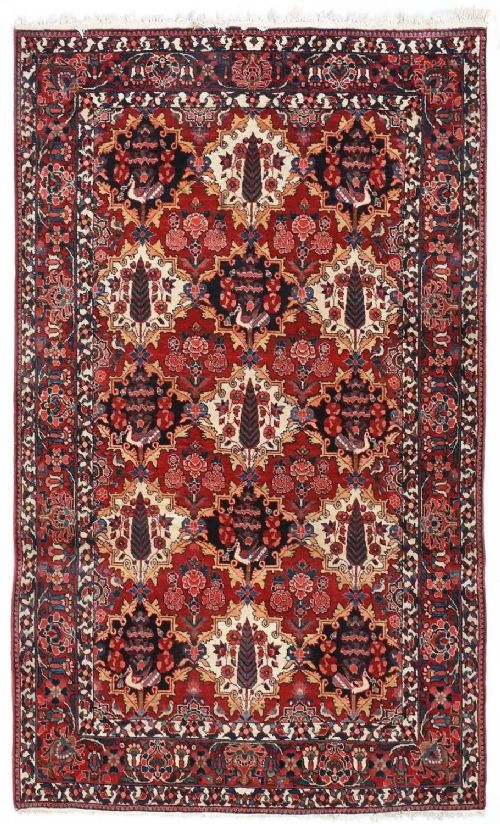
A floral pattern rug brings warmth and botanical detail to a room, drawn largely from Persian, Caucasian, and Indian traditions spanning the eighteenth century to the early twentieth century.
Floral Pattern Rug
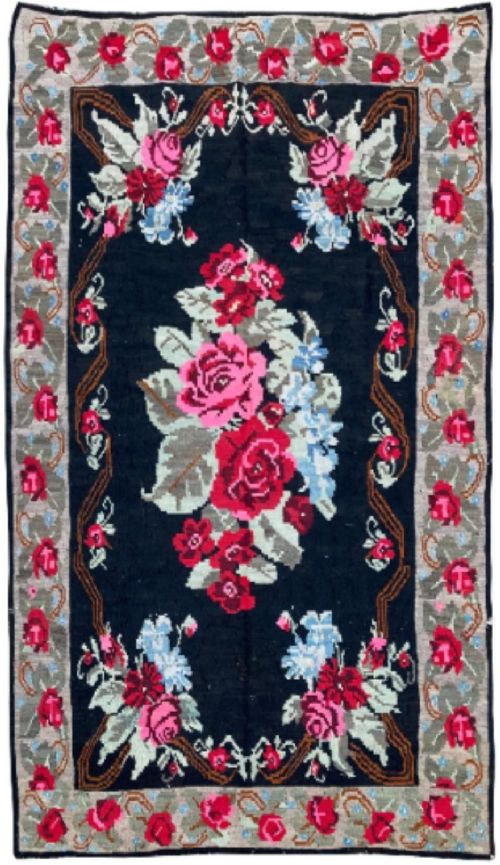
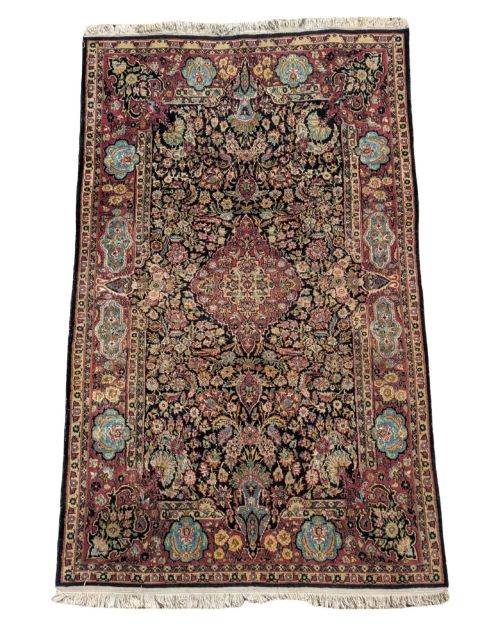
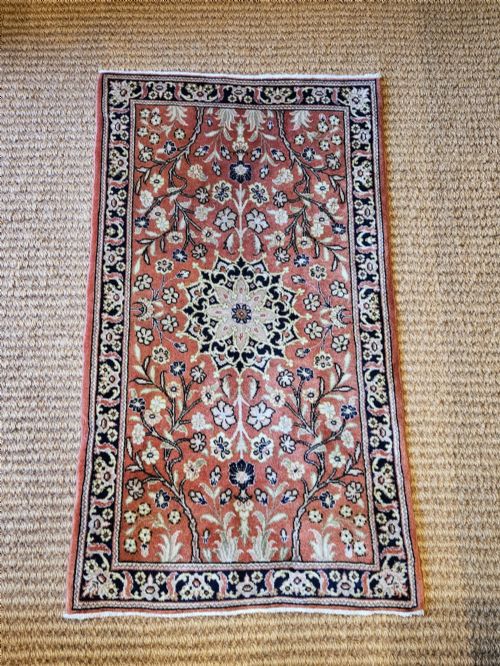
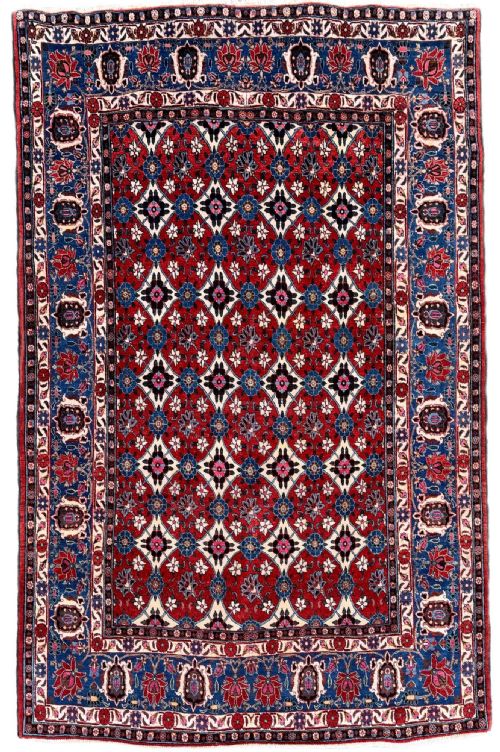
When you search for a floral pattern rug, you encounter floor coverings woven across various regional traditions, including Persian, Caucasian, Mughal, and Bessarabian styles. The pieces on this page lean heavily towards Persian village and city workshops, alongside examples from North India and Eastern Europe.
The selection ranges from small hearth-sized floor coverings and runners to large carpets designed for principal reception rooms. Dating predominantly from the late nineteenth century and the early decades of the twentieth century, these textiles encompass both room-sized carpets and compact area rugs.
How They Were Made
Weavers constructed these textiles primarily using wool, cotton, and occasionally silk or mercerised cotton for specific highlights and pile definition. Hand-knotted and flatwoven techniques dominate, creating dense pile surfaces or flat kilim structures that support intricate botanical motifs.
Regional workshops utilised natural and early synthetic dyes on hand-spun fibres, resulting in rich colour palettes that mellow with age. Foundation warps andwefts of cotton or wool provide the structural integrity required for enduring floor use.
The listings on this site span wool, cotton, silk, art silk, and mercerised cotton across multiple weaving traditions.
What Varies in Quality
Knot density and the precision of the botanical drawing dictate the structural finesse of the piece. Higher-grade examples display crisp outlines in floral scrolls and palmettes, achieved through tighter manipulation of the pile against the foundation.
The choice of materials also divides the range, with fine silk highlights or superior wool grades yielding a softer handle and greater resilience. Furthermore, the artistry of the dyework and the harmony of the palette determine the visual depth of the design.
The Floral Pattern Rug Glossary
- Kilim
- A flatwoven textile produced without a pile, traditionally utilised as a floor covering or wall hanging in Caucasian and Bessarabian regions.
- Medallion
- A central ornamental motif set in the middle of the field, frequently incorporating floral or geometric arrangements.
- Warp
- The vertical threads stretched tightly on the loom that form the foundational skeleton of the rug.
- Weft
- The horizontal threads passed through the warps to secure the knots and bind the structure together.
- Pile
- The vertical tufts of wool, cotton, or silk clipped to form the soft surface texture of the carpet.
Floral Pattern Rug: Frequently Asked Questions
Where should I place a floral pattern rug?
These textiles suit low-traffic areas or principal rooms where their botanical motifs can be appreciated without excessive wear. Smaller formats work well beside beds or in studies, while larger carpets anchor furniture groupings in living spaces.
Protect delicate silk highlights and older wool structures by avoiding direct, prolonged sunlight and damp environments. Regular gentle rotation ensures even exposure and balanced wear over time.
How do I clean an antique rug?
Gentle surface cleaning and regular vacuuming without a rotating power brush help maintain wool and cotton pile. Professional specialist cleaning remains essential for removing deep dirt without damaging historical fibres.
Avoid saturation and harsh chemical detergents, which can alter dye chemistry and weaken the foundation threads. Promptly blot liquid spills rather than rubbing them into the pile.
How do I distinguish regional styles?
Regional attribution relies on specific structural characteristics, palette choices, and drawing styles particular to weaving centres such as Tabriz, Mahal, or Kashan. Persian city workshops often show curvilinear floral scrolls, whereas village or Caucasian pieces display more geometric interpretations of botanical forms.
Examining the back of the textile reveals knot types and density, which offer further clues to geographic origin. Edge finishes and selvedge treatments also vary distinctly between workshops and nomadic tribes.
What does a fragment indicate?
A rug fragment represents a surviving portion of a larger historical carpet, often salvaged due to damage elsewhere in the original piece. These sections are frequently mounted or utilised as smaller floor mats and wall hangings.
Such pieces provide tangible evidence of earlier weaving standards and materials from centuries past. They allow collectors to acquire fine artistic work from periods where complete examples are scarce.