

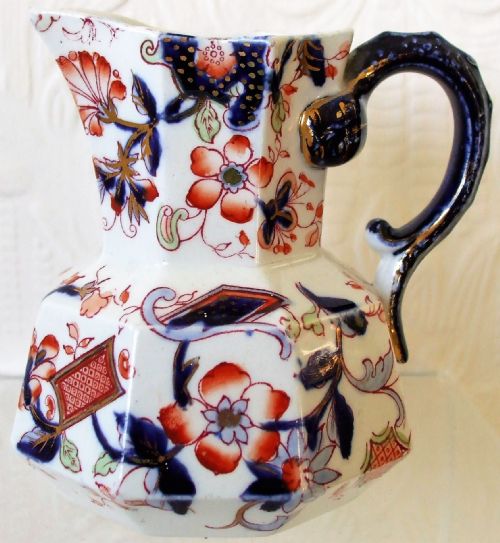
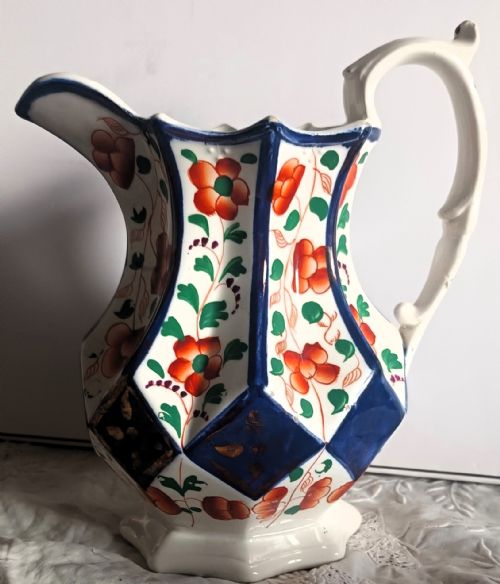
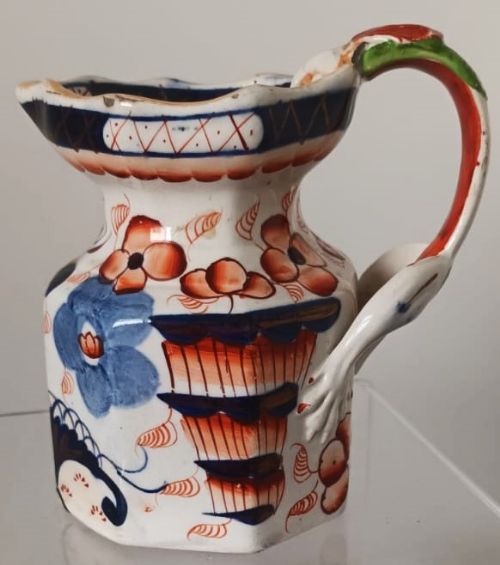
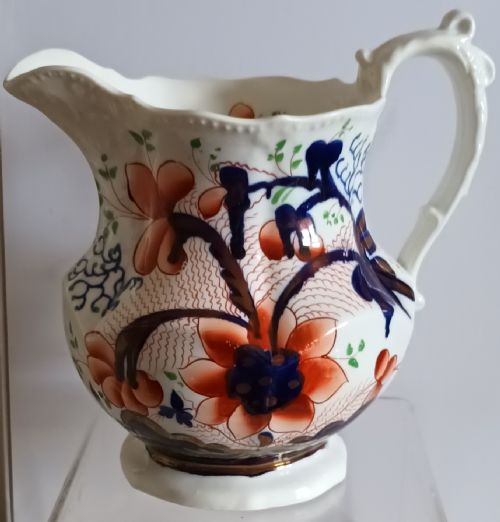


Floral Pattern Pitcher
These floral pattern pitcher examples bring hand-painted botanicals and robust earthenware into daily utility.
Floral Pattern Pitcher
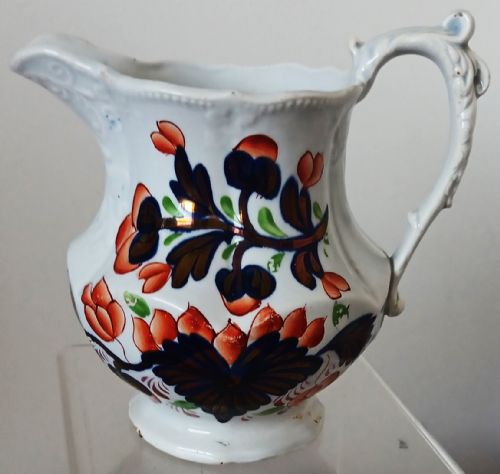
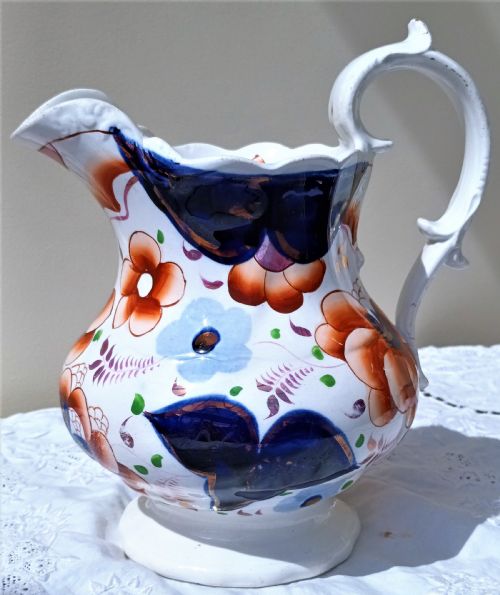
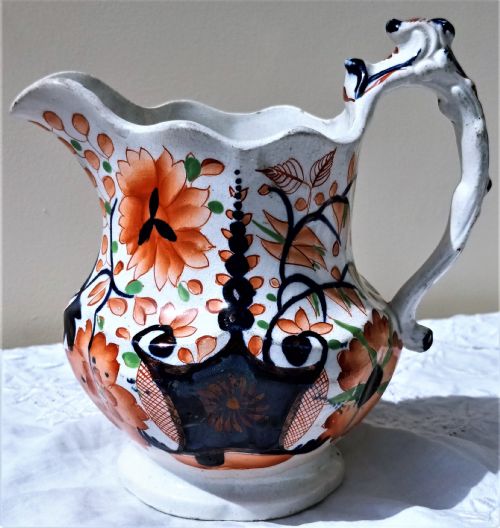
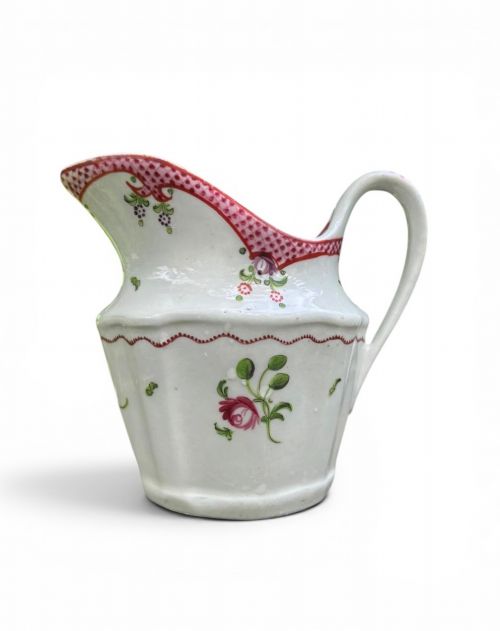
A floral pattern pitcher encompasses robust earthenware, porcelain, and pearlware vessels created for functional service and display. They arrive in forms ranging from intimate cream jugs and miniature hydra shapes to large washstand sets and marriage jugs.
The selections span distinct historical eras, moving from eighteenth-century Georgian productions through nineteenth-century Victorian Gaudy Welsh creations and Edwardian bathroom sets up to nineteen-thirties ceramics.
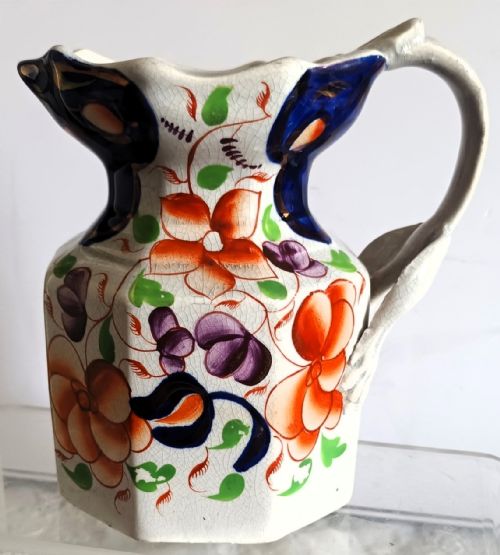
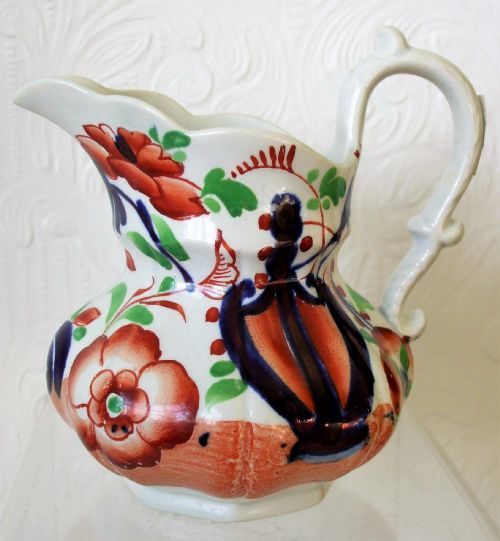
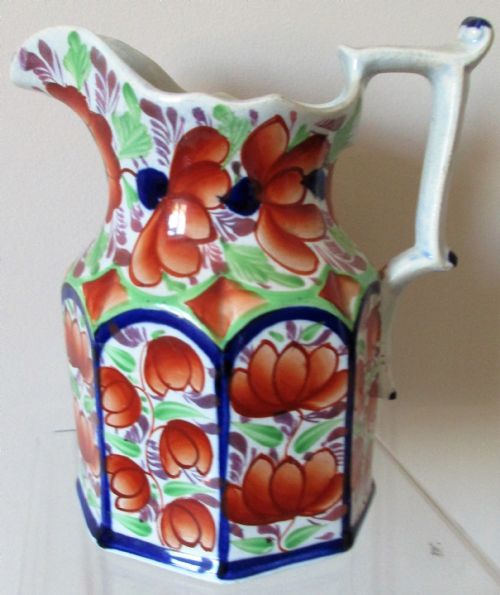
Most entries belong to the nineteenth century, dominated by Staffordshire pottery and Gaudy Welsh patterns carrying botanical titles like Grape, Drape, Pagoda, Harlech, Gower, Gwent, Aberaeron, Bethesda, and Conwy.
How they were made
Potters shaped ceramic, earthenware, porcelain, and pearlware bodies before applying liquid glaze to seal the porous clay surfaces. Many examples integrate copper lustre highlights, enamel colours, and gold leaf details into the fired glaze.
Decoration relies on hand-painted floral motifs and transfer-printed botanical designs, seen in poppy, daisy, and flower patterns. Certain pieces incorporate cut and engraved glass combined with solid silver mounts.
Floral Pattern Pitcher Retail Price Guide 2026
Typical asking prices for floral pattern pitcher among the pieces listed under this phrase on Sellingantiques today, from the lower quarter to the upper quarter. They describe what is for sale here now, not the wider market.
Object types span small cream jugs, large marriage jugs, and complete washstand sets designed with botanical motifs.
What varies in quality
Quality rests upon the crispness of the moulded form, particularly in specialised shapes like the hydra handle or pouch body, alongside the control demonstrated in the enamel painting and glaze application.
The distinction between standard domestic utility wares and finer cabinet pieces shows in the depth of copper lustre, the precision of gold leaf application, and the complexity of multi-coloured floral designs.
Keeling and Co·New Hall·Masons·Mark Jones and Sons·William Moorcroft·Macintyre·Charlotte Rhead·William Davenport·Mountford
The Floral Pattern Pitcher Glossary
- Gaudy Welsh
- A distinctive style of nineteenth-century pottery characterised by cobalt blue, copper lustre, and vibrant enamel colours on earthenware bodies.
- Hydra jug
- A classical vessel form featuring a distinctive flared rim, scroll handle, and moulded body associated with early English factories.
- Pearlware
- A refined earthenware developed in the eighteenth century featuring a subtle bluish glaze that pooled in recesses to mimic Chinese porcelain.
- Copper lustre
- A metallic glaze technique producing a reflective, coppery sheen often used to outline floral motifs on nineteenth-century jugs.
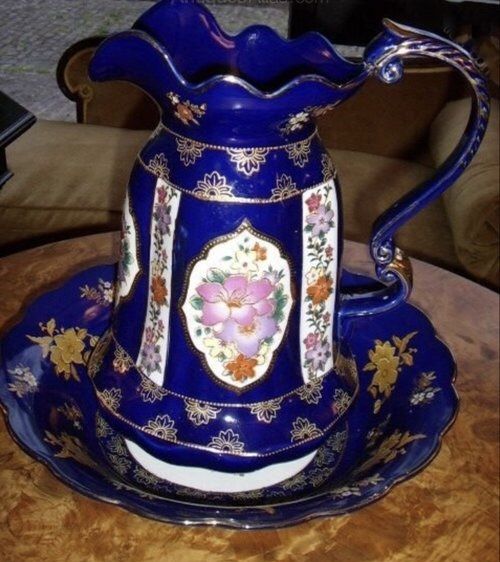
- Washstand set
- A matching group comprising a large water jug and a corresponding basin intended for nineteenth-century bedroom ablutions.
Floral Pattern Pitcher: Frequently Asked Questions
What is a floral pattern pitcher?
A floral pattern pitcher is a ceramic, porcelain, or pearlware pouring vessel decorated with painted or printed flower motifs. These range from small cream jugs to large Staffordshire washstand pitchers.
They serve as both functional containers for liquids and decorative items displaying historical pottery techniques like copper lustre and enamel painting.
How do I date a jug?
Dating relies on identifying the underlying ceramic body, such as pearlware for earlier items or standard earthenware for nineteenth-century pieces. Stylistic markers like Gaudy Welsh patterns or Art Nouveau motifs provide further chronological placement.
Makers' marks, where present, link individual pieces to documented factories and recorded operating periods.
How were these jugs used?
These vessels fulfilled practical household duties such as serving cream at tea, pouring liquids at table, or holding water within matching washstand bathroom sets.
Larger examples, including marriage jugs, also served commemorative or display functions rather than routine daily service.
How do I care for antique pottery?
Care involves gentle hand washing in lukewarm water without harsh detergents to protect fragile enamel paints, copper lustre, and gold leaf details. Avoiding sudden temperature changes prevents stress fractures in the historical ceramic body.
Displaying them away from direct heat sources helps preserve the stability of the original glaze.