





Floral Papier Mache Table
A floral papier mache table brings hand-painted floral decoration and rich lacquer together into a functional surface for any room.
Floral Papier Mache Table
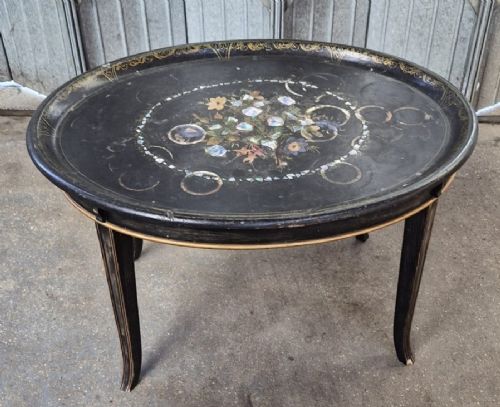
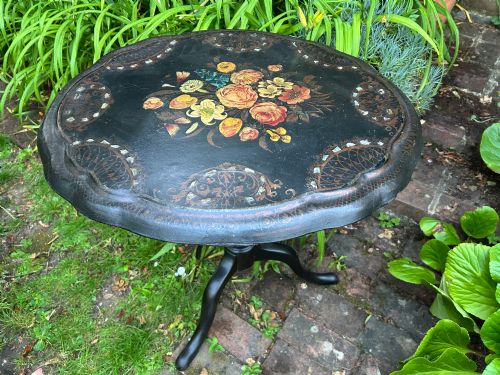
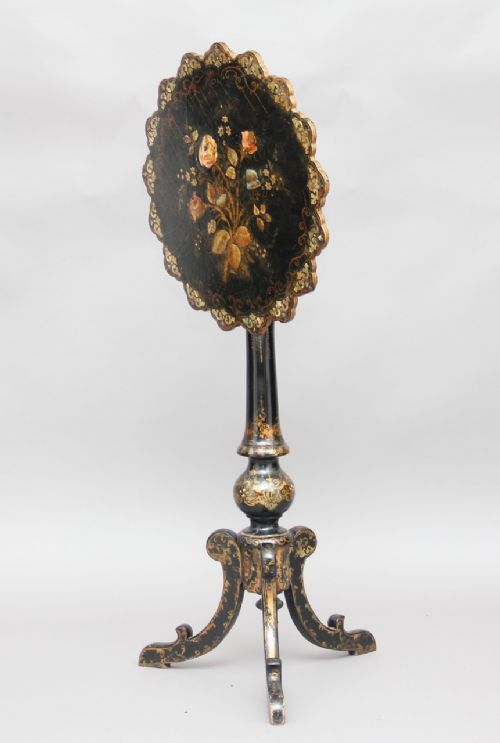
A floral papier mache table typically appears in forms such as occasional tables, wine tables, side tables, and tilt-top tables dating from the nineteenth century into the early twentieth century.
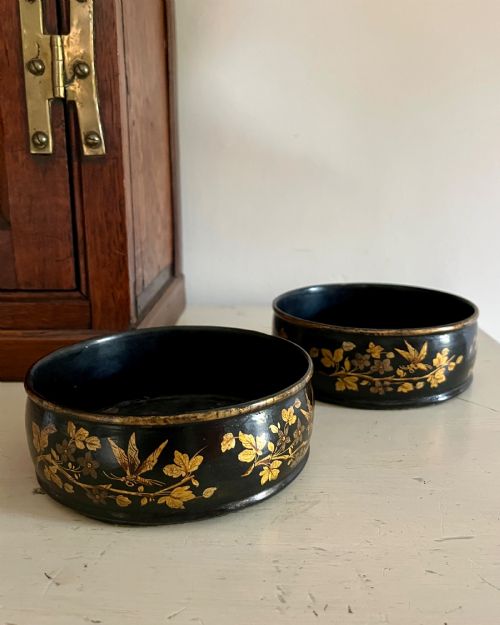
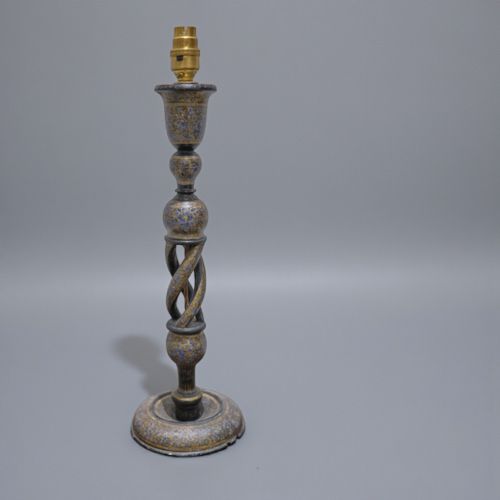
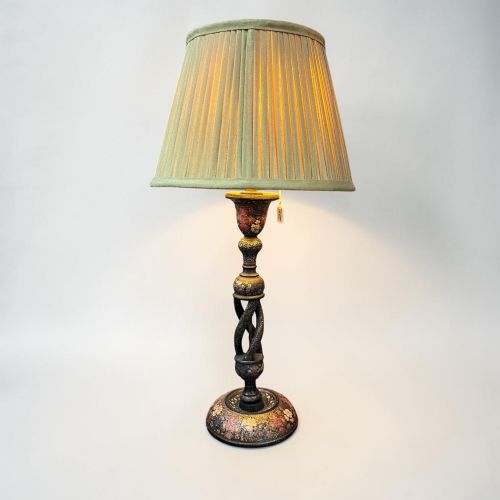
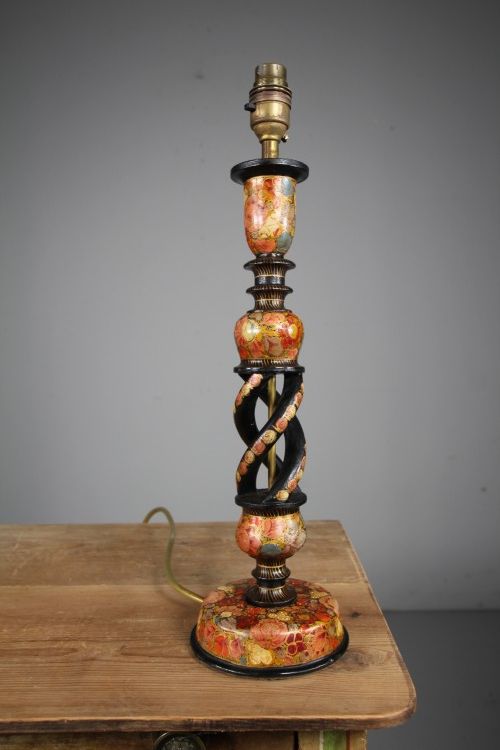
Buyers will encounter both English Victorian examples featuring ebonised surfaces or Chinoiserie motifs and Kashmiri imports decorated with intricate hand-painted floral designs.
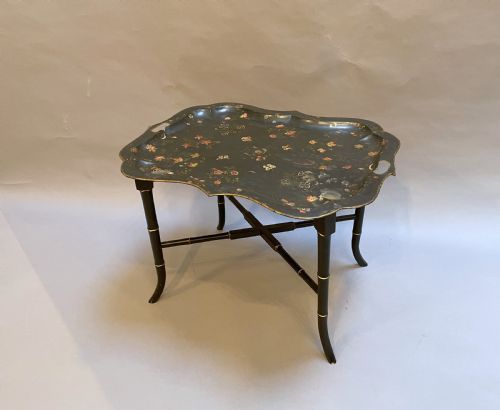
Some pieces combine antique papier-mâché trays with later wooden or iron stands, preserving the painted surface while adapting the height for modern use.
Materials and construction methods
The core structure relies on papier-mâché, formed from layers of paper pulp or sheets pressed and glued together before being dried and hardened into a rigid base.
Craftsman applied layers of lacquer and paint to the prepared surface, often incorporating gilt gold and detailed botanical brushwork.
Support structures combine wood, brass, and iron, utilising tilt-top mechanisms or later stands to hold the decorated tops securely.
Floral Papier Mache Table Retail Price Guide 2026
Typical asking prices for floral papier mache table among the pieces listed under this phrase on Sellingantiques today, from the lower quarter to the upper quarter. They describe what is for sale here now, not the wider market.
Current listings span the nineteenth and early twentieth centuries, featuring materials such as lacquer, papier-mâché, wood, brass, and gilt.
Judging the quality of craftsmanship
Quality reveals itself in the fineness and preservation of the detailed paintwork, where superior examples maintain crisp floral lines and rich colour saturation across the lacquer.
The structural integrity of the papier-mâché base and the stability of the joining mechanism to the wooden or iron stand determine how well the piece endures daily use.
The Floral Papier Mache Table Glossary
- Papier-mâché
- A composite material made from paper pulp or reinforced paper sheets moulded and painted when dry. It provides a lightweight yet durable surface for decorative household objects.
- Lacquer
- A clear or coloured resin applied in thin coats and polished to a hard, durable finish. This technique protects the underlying paintwork and gives the surface a subtle sheen.
- Tilt-top table
- A small table featuring a hinged mechanism that allows the surface to pivot vertically when not in use. This design saved space in period interiors.
- Chinoiserie
- European artistic style reflecting Chinese motifs and decorative techniques. It frequently appears on nineteenth-century ebonised furniture.
- Ebonised
- Wood or other material treated to resemble dark ebony wood. It creates a high-contrast background for gilt and painted floral details.
Floral Papier Mache Table: Frequently Asked Questions
How do I clean a papier mache table?
Dust the surface gently with a soft, dry cloth to remove everyday particles without disturbing the delicate lacquer.
Avoid using water, liquid cleaners, or harsh chemicals, as moisture can penetrate and damage the aged papier-mâché and paintwork.
Can I use these tables for daily dining?
These decorative pieces suit display and light use, such as holding books or serving drinks from a tray.
Heavier daily wear or exposure to hot cups and moisture can risk marking the antique lacquer and painted floral surfaces.
Are tilt top tables stable?
Period tilt-top mechanisms use a catch or spring to lock the surface securely in the horizontal position during use.
Checking the pivot point and the fit of the catch ensures the top remains steady when resting flat.
How do I date a Kashmiri table?
Examining the style of the floral paintwork, the condition of the lacquer, and the type of wood used in the construction provides clues to the era.
Many examples date from the nineteenth century through the early twentieth century based on stylistic conventions and materials.