


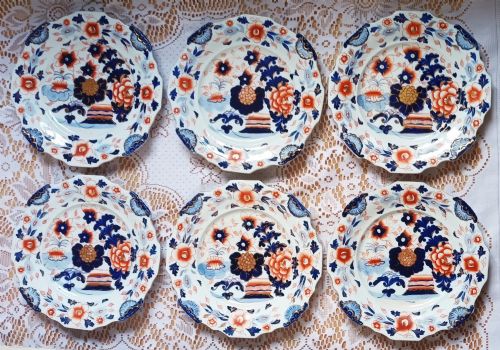


Floral Ironstone Pottery
Floral ironstone pottery brings durable nineteenth-century utility and vibrant painted patterns to the table.
Floral Ironstone Pottery
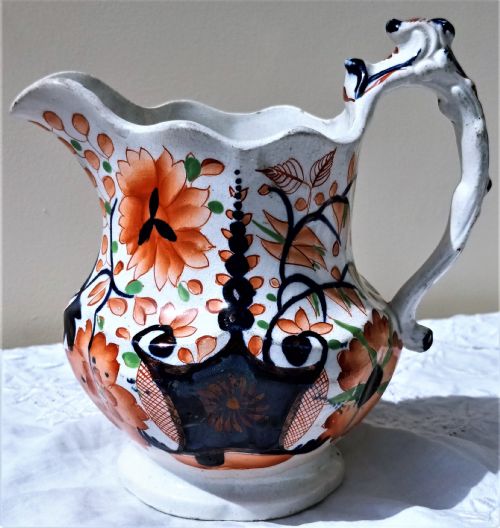
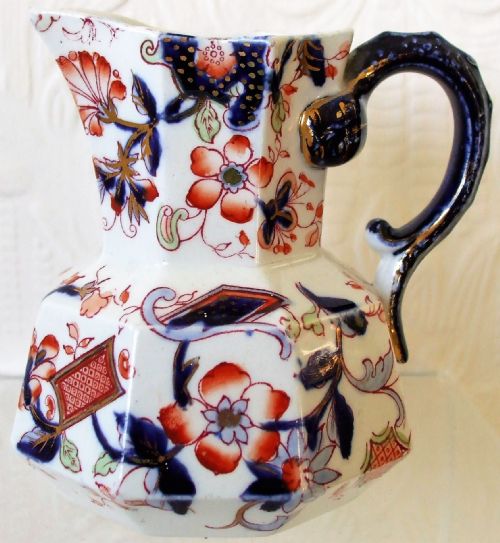
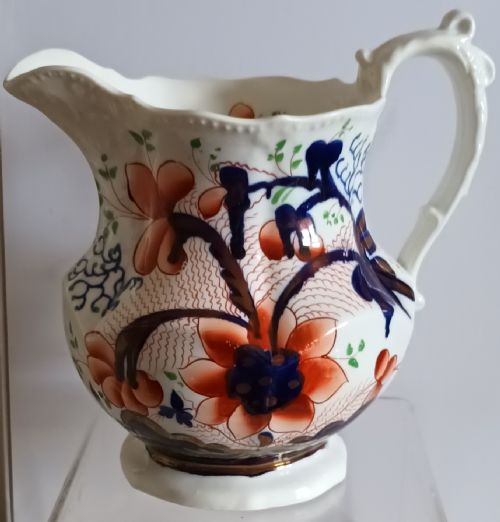
Floral ironstone pottery encompasses robust ceramic vessels produced during the nineteenth century, including the Edwardian era. Buyers encountering these pieces will find mugs, pedestal bowls, decorative plates, and jugs adorned with painted flora and oriental motifs.
Materials and construction
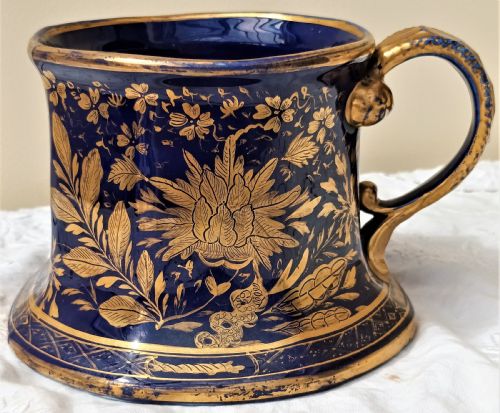
Potters utilised durable ironstone and ceramic bodies, finishing the vessels with thick glaze. Decoration relied on hand-applied enamel colours, transfer printing, and occasional gold leaf or gilding.
The combination of dense earthenware fabrics with vibrant enamel pigments created robust household items capable of enduring daily use while retaining bright surface decoration.
Floral Ironstone Pottery Retail Price Guide 2026
Typical asking prices for floral ironstone pottery among the pieces listed under this phrase on Sellingantiques today, from the lower quarter to the upper quarter. They describe what is for sale here now, not the wider market.
Object forms range from mugs and pedestal bowls to chargers, soup bowls, and posy vases.
Assessing quality
Quality rests in the crispness of the transfer print and the precision of the hand-painted enamel work. Pieces featuring rich gilding or complex oriental-style scenes show greater ambition in the kiln.
Standard domestic plates differ from grand pedestal bowls and chargers through scale and the intricacy of the surrounding botanical borders. The weight and stability of the ironstone body also mark the standard of the potworks.
Keeling and Co.·Mason's Ironstone·Spode Ironstone·John Ridgway·Miles Mason Ironstone
The Floral Ironstone Pottery Glossary
- Ironstone
- A patented ceramic body invented in the nineteenth century for its exceptional strength and resemblance to porcelain. It forms the heavy foundation of these plates and jugs.
- Gilding
- The application of gold leaf or gold paint to ceramic surfaces. It highlights rims, handles, and specific floral details.
- Chinoiserie
- A European artistic style reflecting Chinese motifs and landscapes. It appears frequently on nineteenth-century jugs and plates.
- Enamel
- Opaque glass used for painting colours over the glaze. It provides the bright hues found in floral patterns.
Floral Ironstone Pottery: Frequently Asked Questions
What is ironstone pottery?
Ironstone is a dense, durable ceramic developed in the nineteenth century to provide a tougher alternative to porcelain.
It forms a heavy, opaque body that resists chipping and holds bright enamel decorations effectively.
How are these pieces decorated?
Decoration combines transfer printing with hand-painted enamel colours and occasional gilding.
Potters drew heavily on floral themes and oriental-style motifs, including Chinoiserie and Japan patterns.
Can I use these items daily?
These nineteenth-century vessels were built for practical domestic tasks such as serving soup or holding liquids.
Handwashing protects the delicate enamel colours and gold leaf from fading over time.
How do I spot a Regency piece?
Regency items date from the early nineteenth century and often feature distinct Chinoiserie decoration.
Early pieces frequently bear specific marks from pioneer makers like Miles Mason.