


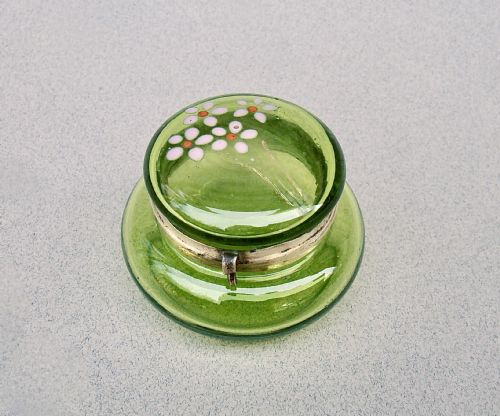


Floral Glass Jar
These floral glass jar pieces combine delicate floral painting with historical glasswork, offering a decorative storage solution for your dressing table or parlour.
Floral Glass Jar
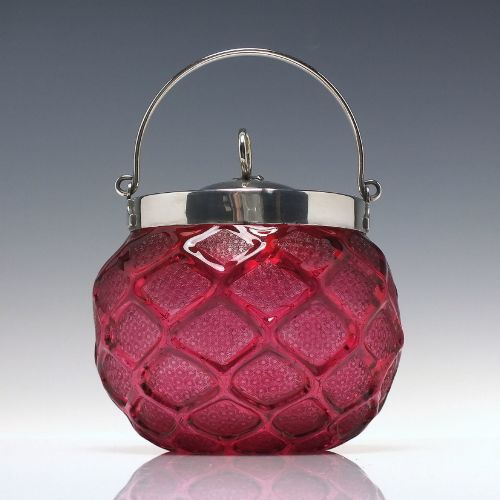
When you search for a floral glass jar, you encounter a selection of Victorian and Edwardian containers, including dressing table jars, trinket boxes, and biscuit barrels. These vessels served practical domestic functions while displaying ornamental glass techniques.
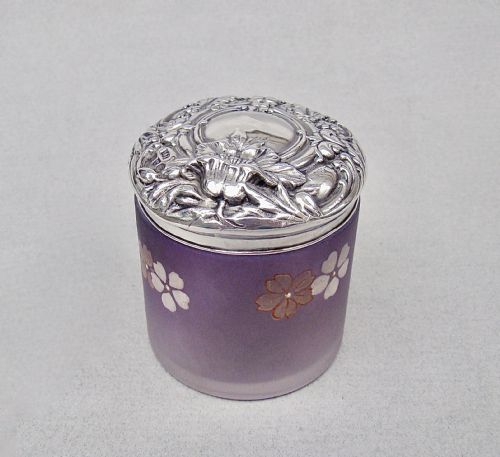
The objects on this page span several decades from the mid nineteenth century into the early twentieth century. You will frequently find pieces featuring enamelled flower decorations applied to coloured or frosted glass bodies.
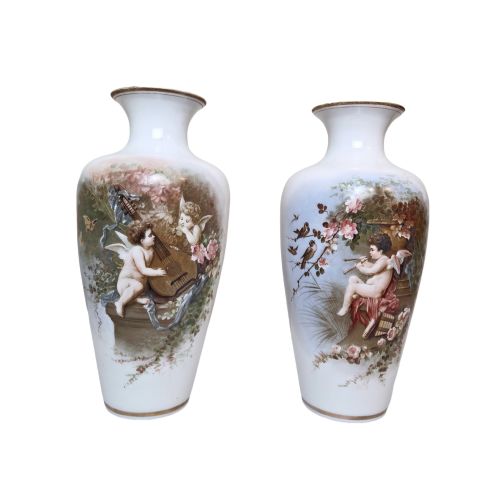
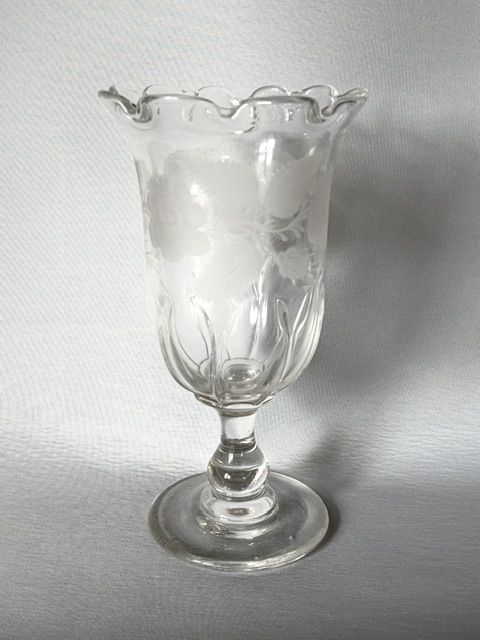
Beyond lidded jars, the selection includes related glass forms such as vases and decorative domes. These share the characteristic floral motifs and period manufacturing methods found across the inventory.
How they were made
Makers utilised glass as the primary medium, often shaping it into vessels like trinket boxes and biscuit barrels. Coloured varieties such as Bristol blue and pale green glass appear alongside frosted and opaline finishes.
Enamel paint was applied to the glass surface to create floral designs and pictorial scenes. Artisans frequently combined this enamelling with gilding or gold leaf highlights to enhance the decorative effect.
Lids and mounts on dressing table jars and biscuit barrels commonly incorporate sterling silver or other metals. These metal elements were often hallmarked, providing clues to the date and origin of manufacture.
Floral Glass Jar Retail Price Guide 2026
Typical asking prices for floral glass jar among the pieces listed under this phrase on Sellingantiques today, from the lower quarter to the upper quarter. They describe what is for sale here now, not the wider market.
What varies in quality
The finesse of the enamel painting determines the visual appeal of each piece. Skilled hand-painting displays crisp botanical detail and careful shading, whereas lesser examples appear flat and hurried.
The integration of materials distinguishes finer items from standard production. Quality is evident where metal mounts, such as sterling silver lids, fit securely and complement the glass body without obscuring the floral decoration.
The Floral Glass Jar Glossary
- Opaline glass
- An opaque or semi-opaque glass with a delicate pastel colouration. It provides a smooth surface that was frequently decorated with enamel flowers during the nineteenth century.
- Biscuit barrel
- A covered ceramic or glass container designed for storing dry biscuits at the dining table. Victorian examples often featured metal rims and lids.
- Enamelling
- The technique of fusing powdered glass onto a surface through firing, or applying oil-based coloured pigments that mimic fired enamel. It allows for vibrant floral artwork on glass vessels.
- Dressing table jar
- A small lidded container used for holding cosmetics, pins, or trinkets. These jars often combined glass bodies with decorative silver or metal covers.
- Frosted glass
- Glass treated to achieve a textured, translucent appearance by acid etching or sandblasting. It diffuses light and creates a soft background for painted botanical motifs.
Floral Glass Jar: Frequently Asked Questions
What is a floral glass jar used for?
These jars were originally designed for functional domestic storage on dressing tables, sideboards, or parlours. They held small personal items, cosmetics, or dry foodstuffs while adding a decorative touch to the room.
Today, collectors utilise them to display period craftsmanship or to store small contemporary items in a traditional setting.
What materials are used in these jars?
The primary body consists of glass, which appears in various forms including opaline, frosted, Bristol blue, and white glass. Enamel paint and gilding provide the characteristic floral surface decoration.
Many lidded pieces also incorporate sterling silver or base metal hardware for the collars, rims, and covers.
How should I clean antique glass with enamel?
Clean these delicate pieces gently using a soft, dry cloth to remove dust. Avoid harsh chemical cleaners, abrasive sponges, or soaking in water, as these can damage the fragile enamel paint and gold leaf.
If washing is necessary, use lukewarm water with a mild soap and dry immediately with a lint-free cloth.