



Floral Fruit Porcelain
Floral fruit porcelain gathers painted bowls, centrepieces, and dishes decorated with garden produce, spanning the eighteenth to the twentieth centuries.
Floral Fruit Porcelain
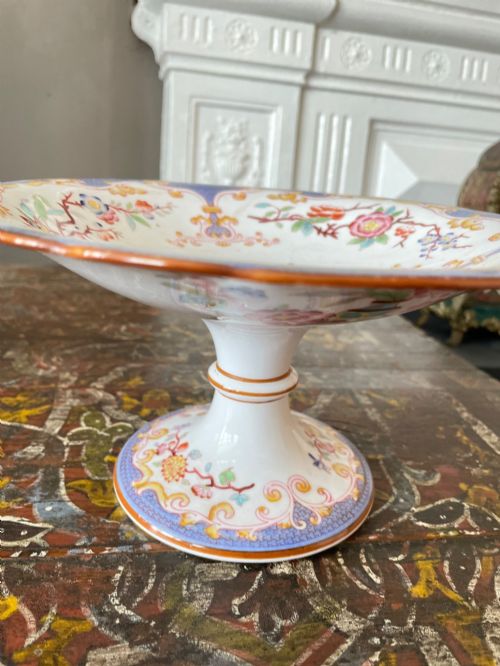
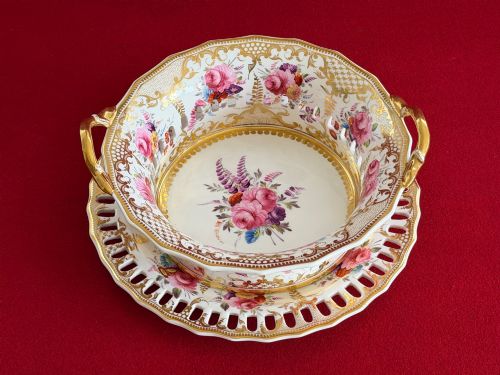
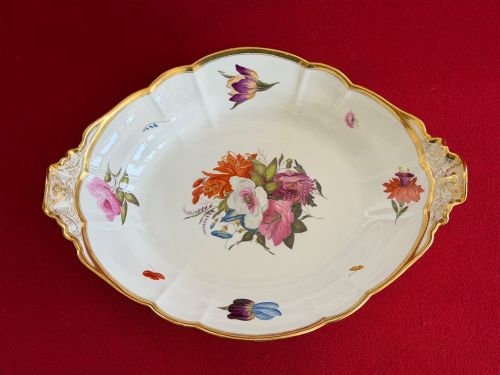
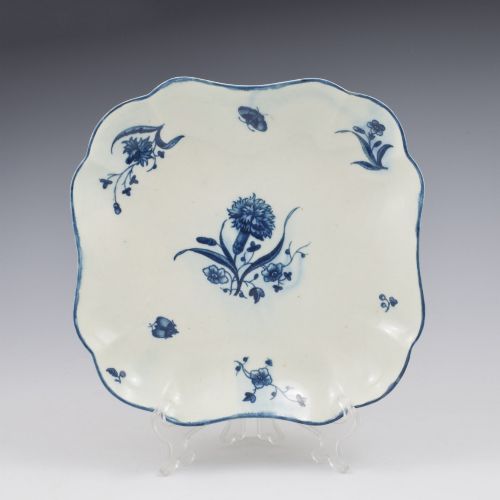
Floral fruit porcelain comprises decorative bowls, cabinet plates, and large centrepieces adorned with hand-painted botanical motifs and garden yields. These items serve as table ornaments or display pieces, reflecting domestic interests in natural history and table presentation across several eras.
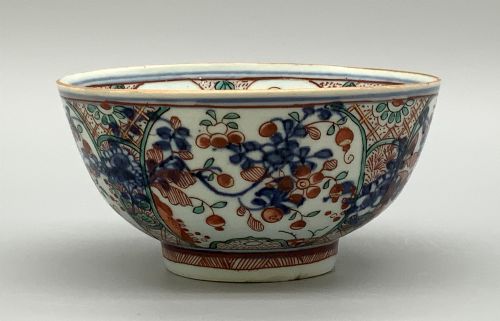
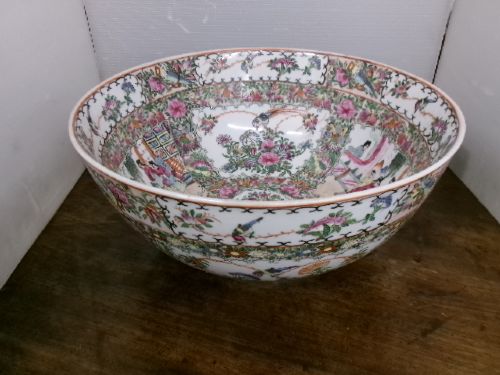
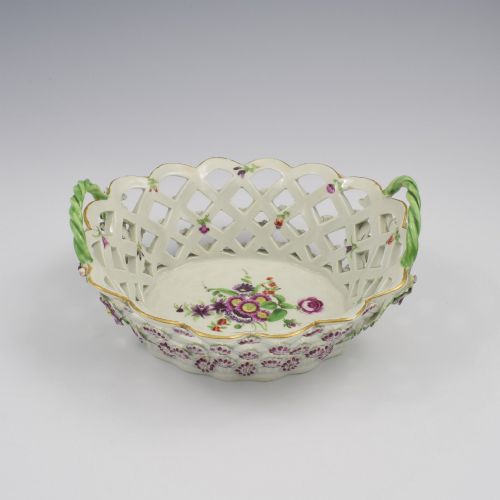
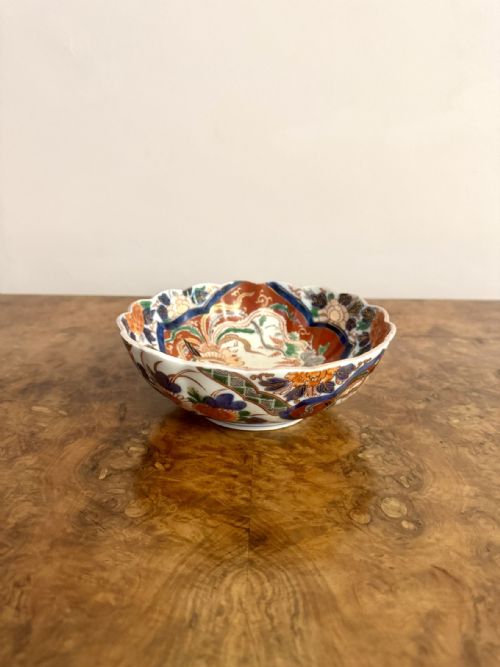
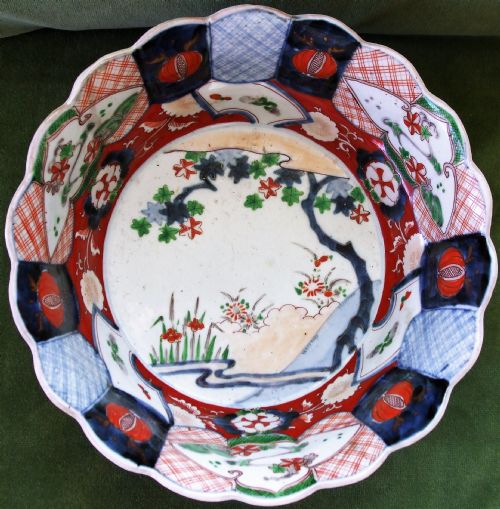
The selections encountered here stretch from eighteenth-century English and continental wares to nineteenth-century Japanese Imari exports and Edwardian German porcelain. Forms range from scallop-edged bowls and boat-shaped dishes to elaborate comports flanked by putti and applied roses.
How they were made
Makers shaped hard-paste and soft-paste ceramic bodies, applying glaze and metallic accents such as gold leaf and gilding to highlight painted surfaces. Artisans employed hand-painted polychrome enamels to render botanical details, fruit clusters, and feathered birds directly onto the fired paste.
Certain pieces incorporate moulded elements, including pierced galleries, cherubs, and applied floral reliefs modelled by hand before glazing and firing in kilns. Workshops utilised transfer printing alongside freehand brushwork, depending on the period and the factory origin.
Floral Fruit Porcelain Retail Price Guide 2026
Typical asking prices for floral fruit porcelain among the pieces listed under this phrase on Sellingantiques today, from the lower quarter to the upper quarter. They describe what is for sale here now, not the wider market.
Listings feature porcelain, earthenware, enamel, and gold leaf across eighteenth-century, Victorian, and Edwardian periods.
What varies in quality
The refinement of the painted brushwork dictates visual success, distinguishing precise botanical studies from routine factory decoration. Finer items exhibit controlled polychrome shading, crisp gilt detailing, and subtle modelling in applied figures and floral reliefs.
Weight and structural balance separate ambitious centrepieces from standard domestic wares. Larger German and English centrepieces demonstrate structural ambition through pierced galleries and sculptural putti integrated cleanly into the main vessel.
Royal Worcester·Royal Doulton·Royal Crown Derby·C.G. Schierholz and Sohn
The Floral Fruit Porcelain Glossary
- Centrepiece
- A large decorative vessel placed at the middle of a table, often featuring figural supports or elevated bowls for display. These items anchor formal table arrangements.
- Imari
- A style of Japanese porcelain exported to Europe, characterised by underglaze blue, iron red, and gilt highlights. The palette reproduces traditional patterns developed in the Hizen province.
- Comport
- A raised dish or bowl used historically for serving fruit or desserts. They stand upon a footed base or pedestal.
- Gilding
- The application of gold leaf or powdered gold to ceramic surfaces for decorative emphasis. It accentuates rims, handles, and moulded details.
- Putti
- Representations of small winged infants or cherubs modelled in relief or in the round. They frequently support or decorate nineteenth-century continental centrepieces.
Floral Fruit Porcelain: Frequently Asked Questions
What are floral fruit porcelain centrepieces?
These large decorative vessels were designed to hold fruit or floral arrangements for display on dining tables and sideboards. They often feature elevated bowls supported by sculptural figures.
Craftsmen modelled these pieces in porcelain and earthenware, incorporating painted botanical scenes and applied floral ornamentation.
How do I date a porcelain dish?
Dating relies on maker marks, glaze characteristics, and stylistic traits associated with specific periods like the Victorian era or the Meiji period. Examining the painting technique also helps identify the era.
Earlier eighteenth-century pieces display different paste compositions and enamel palettes compared to twentieth-century factory wares.
Where were these porcelain items made?
Production centres include English potteries, German factories such as Dresden and Plaue, French workshops, and Japanese kilns producing export wares. Each region employed distinct clay bodies and decorative styles.
Continental factories frequently favoured figural supports, whereas Japanese kilns utilised traditional Imari palettes.
How should I display a porcelain bowl?
Display these items on sturdy flat surfaces away from heavy traffic to protect delicate rims and applied decorations from accidental knocks. Stable placement ensures safe exhibition.
Keeping pieces out of direct sunlight preserves the vibrancy of the hand-painted enamels and gilt highlights over time.