




Floral Enamel Urns
Floral enamel urns bring together vibrant botanical decoration and vitreous glass surfaces across various periods.
Floral Enamel Urns
When searching for floral enamel urns, buyers encounter decorative vessels produced across the eighteenth, nineteenth, and early twentieth centuries. These pieces encompass forms such as vases, ginger jars, and jardinieres originating from diverse traditions including Chinese, Japanese, and European workshops.
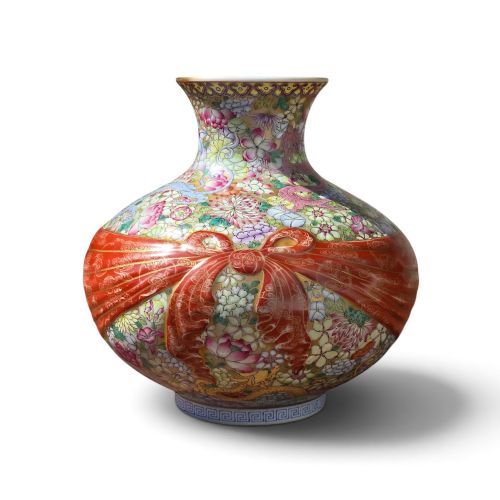
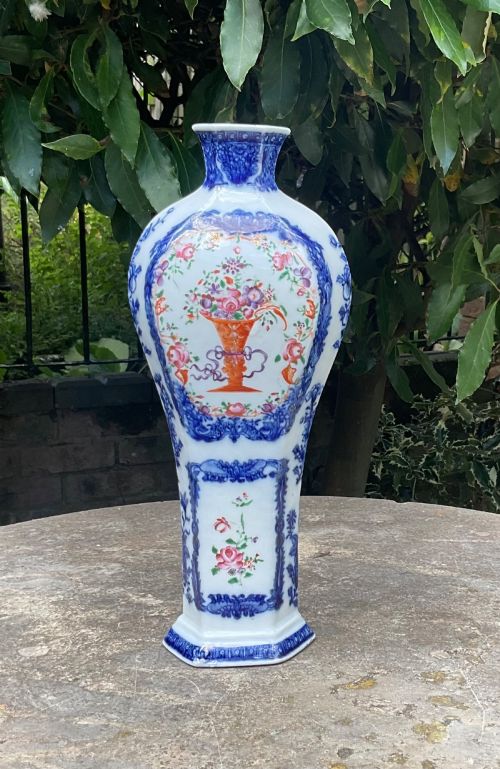
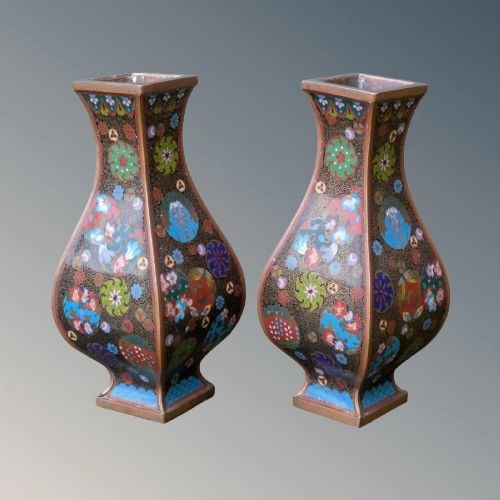
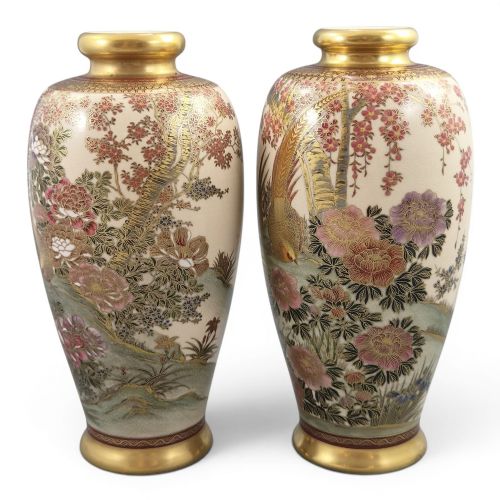
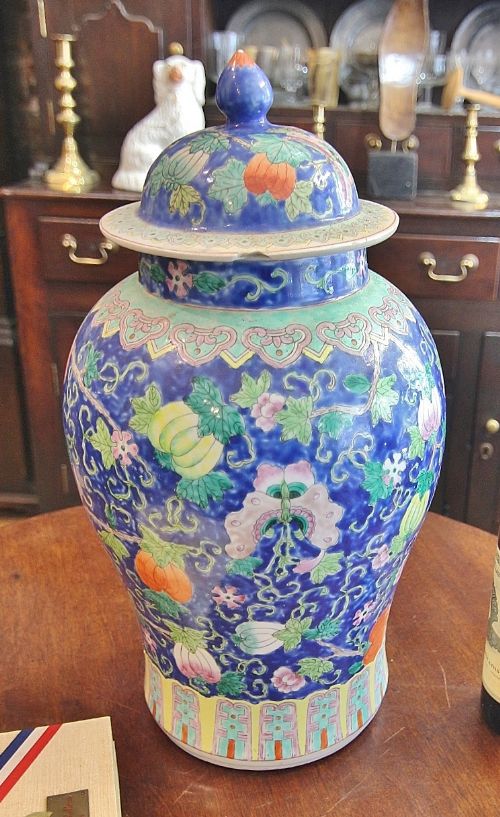
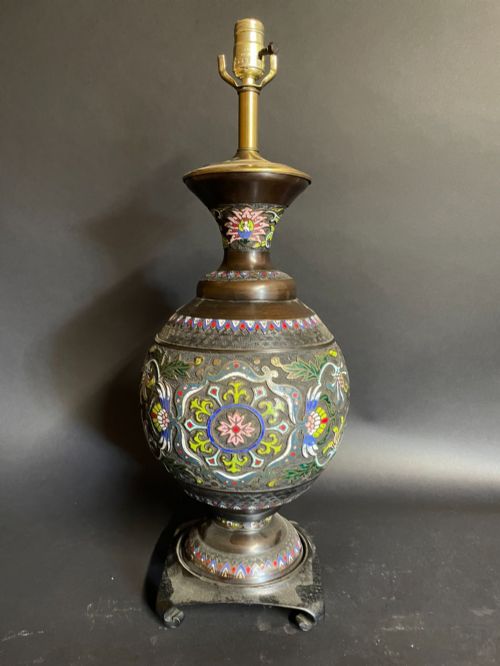
The objects displayed on this page heavily feature cloisonné enamel, porcelain, earthenware, and glass construction. Surfaces display botanical motifs ranging from hand-painted floral arrangements to intricate wire-worked enamel patterns.
Vessels span multiple periods, with Victorian, Edwardian, and Meiji era examples appearing frequently. Forms vary from small miniature display pieces to large floor-standing jardinieres and converted table lamps.
How they were made
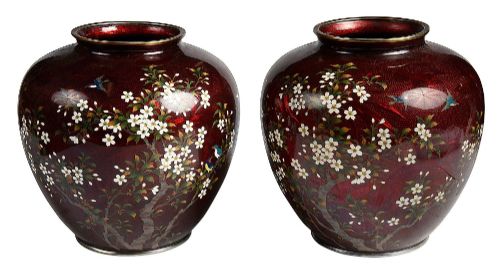
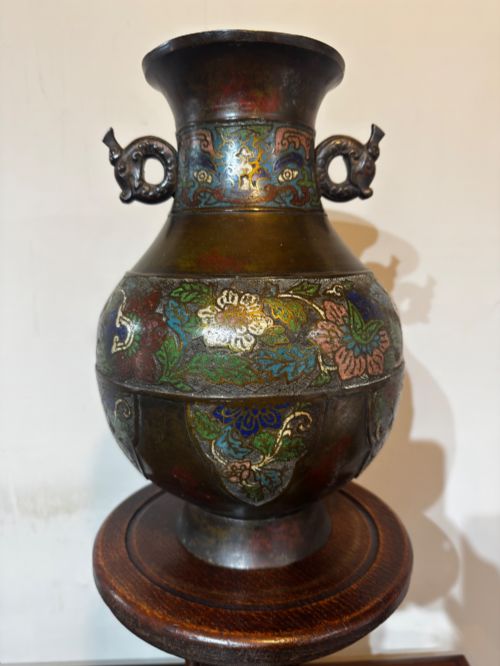
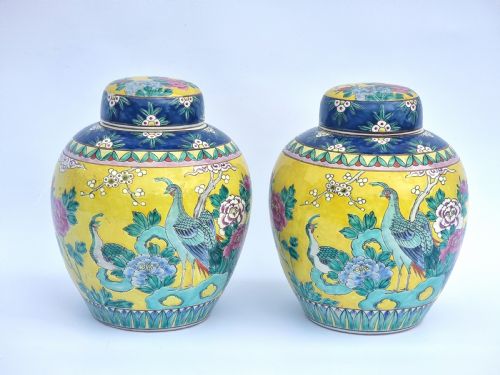
Manufacturers applied vitreous enamel pastes onto metal bases such as copper, bronze, and brass, often separating colour fields with thin metal wires in cloisonné and champlevé techniques. Ceramic bodies utilised earthenware and porcelain painted with polychrome enamels and sometimes highlighted with gold leaf.
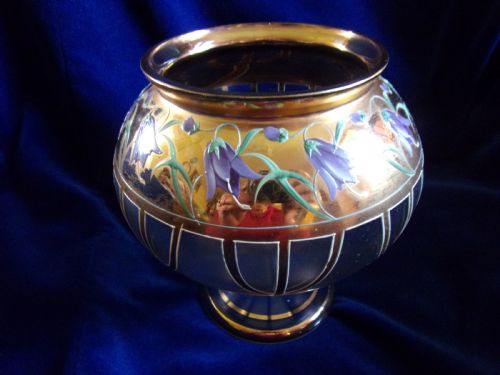
Glass pieces received polychromatic enamel decoration directly onto the blown or moulded surface, occasionally incorporating gilding and acid-etched details. Artisans fired these compositions multiple times to fuse the glass powders and pigments to the underlying substrate.
Listings feature items from the eighteenth, nineteenth, and twentieth centuries, constructed in cloisonne enamel, bronze, porcelain, and glass.
What varies in quality
The skill of the artisan dictates the precision of the enamel work, visible in the uniformity of wire cells and the smooth distribution of coloured pastes without pitting or bubbling. Superior examples display subtle shading in floral motifs and clean finishing on interior and base metal surfaces.
In ceramic and glass pieces, hand-painted clarity and the crispness of gilded highlights differentiate standard production items from exhibition-grade works. The weight of the bronze or copper body and the complexity of the overall design contribute further to the standing of an individual piece.
Maruni Kobe·Manpei·Hakusan·Hododa·Samson Paris·Moser·Daum·Royal Doulton Lambeth·Minton·Kinkozan
The Floral Enamel Urns Glossary
- Cloisonné
- Enamelling technique where thin metal wires form raised partitions on a metal base to hold coloured pastes before firing. This method creates defined geometric and floral compartments across the vessel surface.
- Champlevé
- Enamelling process involving troughs or cells gouged directly into a bronze or copper body to receive vitreous paste. The remaining metal walls form the outlines of the design.
- Satsuma
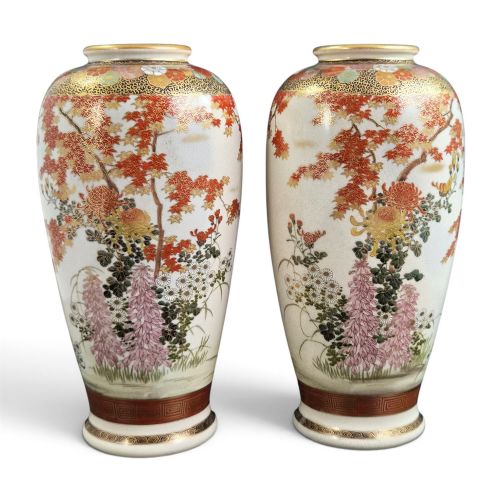
- Japanese earthenware pottery featuring a crackle-glaze ivory body decorated with polychrome enamels and gilding. Pieces often depict dense floral gardens and mon symbols.
- Garniture
- A matching set of three or more vases or urns designed for symmetrical display on a mantelpiece or sideboard. These sets frequently share identical floral enamel motifs in graduating sizes.
- Jardiniere
- A large ornamental pot or urn intended to hold growing plants or floral arrangements. Examples in the evidence utilise heavy bronze and cloisonné enamel construction.
Floral Enamel Urns: Frequently Asked Questions
What are floral enamel urns used for?
These vessels functioned primarily as decorative display items within period interiors, often arranged on mantelpieces or tables as matching pairs and garnitures. Some larger examples served as jardinieres for holding plants or cut flowers.
Later adaptations saw certain vases converted into table lamps while retaining their original enamel bodies. Their primary purpose remained aesthetic, showcasing intricate botanical artwork and metalwork craftsmanship.
How do I identify a Meiji period piece?
Meiji period Japanese pieces frequently feature precise cloisonné wirework or finely painted Satsuma earthenware with dense floral patterns. Many incorporate signature plaques or maker marks on the base corresponding to late nineteenth and early twentieth-century production.
The use of archaic bronze elements combined with champlevé enamel also points toward this era of Japanese craftsmanship. Close examination of the weight and the subtlety of the enamel shading helps confirm the period.
Where were these urns manufactured?
Production centres spanned multiple continents, including significant output from Japanese workshops in Kyoto and Kobe, as well as Chinese imperial and export kilns. European manufacturing hubs in France, Britain, and Bohemia also produced extensive quantities of enamelled glass and porcelain.
Each region employed distinct material combinations, such as copper-backed cloisonné in Asia compared to blown glass and stoneware traditions in Europe. These geographic origins define the stylistic vocabulary found across the items.
How should I clean my enamel urn?
Enamel surfaces require gentle dusting with a soft, dry cloth to prevent accumulation of particulate matter in recessed wire cells or painted crevices. Moisture and commercial chemical cleaners can damage exposed metal components or vulnerable glass enamels.
Bronze and brass mounts benefit from minimal intervention, preserving the natural patina accumulated over decades or centuries. Keeping pieces away from direct sunlight protects the fugitive polychromatic pigments from fading.