




Floral Embossed Frame
These floral embossed frame pieces bring delicate botanicals and period craftsmanship directly to your walls and mantelpieces.
Floral Embossed Frame
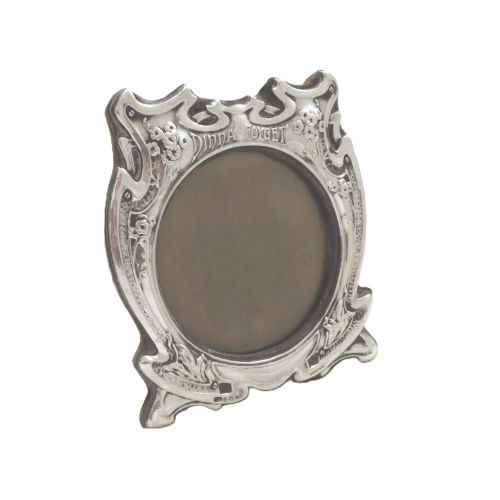
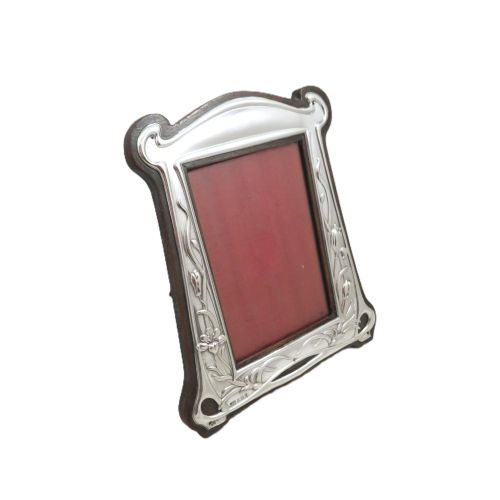
A floral embossed frame is a decorative border designed to hold photographs, paintings, or mirrors, shaped from metal or wood with raised botanical motifs. When you search for a floral embossed frame, you encounter items intended to display cherished portraits or reflect light across a room.
The selections on this page span several distinct eras, bringing together Victorian, Edwardian, and Art Nouveau aesthetics alongside nineteenth-century French and Arts and Crafts examples. You are most likely to meet silver photo frames and brass or copper wall mirrors carrying these embossed plant patterns.
Objects range from small desk photograph holders to large giltwood overmantel mirrors and wall mirrors. Origins vary from British workshops to French studios and Peruvian makers, each applying floral decoration to distinct domestic objects.
How they were made
Metals such as sterling silver, brass, copper, and pewter were shaped using embossing techniques to raise the floral designs from the background material. Wooden pieces incorporate carved gesso or giltwood details to achieve the same raised botanical effect.
Backings often utilise wood and velvet to support the glass and mirror plates securely within the decorative surrounds. Artisans combined these structural materials with delicate watercolour paintings or polished glass to finish the pieces.
Floral Embossed Frame Retail Price Guide 2026
Typical asking prices for floral embossed frame among the pieces listed under this phrase on Sellingantiques today, from the lower quarter to the upper quarter. They describe what is for sale here now, not the wider market.
Materials seen in this collection include sterling silver, brass, copper, velvet, glass, gesso, and wood across multiple historical periods.
What varies in quality
The depth and crispness of the embossed floral detail distinguish finer examples from simpler production. Superior pieces show sharp botanical definition in the metalwork or gesso without flattening or blurring across the motifs.
The choice of primary material shifts the character and weight of the object, with solid sterling silver and heavy cast brass representing different standards from plated or lighter metals. Original backing materials and intact glass also contribute to the integrity of the piece.
The Floral Embossed Frame Glossary
- Embossing
- A technique where a design is raised above the surface of the material by hammering or pressing from behind. This method creates the tactile floral patterns seen across the metal frames.
- Gesso
- A plaster mixture applied to wood surfaces and carved or moulded into relief details. It provides a smooth base for gilding on decorative frames.
- Giltwood
- Wood that has been coated with a thin layer of gold leaf. It gives mirrors and frames a bright, reflective golden surface.
- Overmantel mirror
- A large mirror designed to hang specifically above a fireplace mantel. These pieces often feature extensive decorative framing.
- Aesthetic movement
- A late nineteenth-century design style emphasising visual beauty over narrative subject matter. Objects from this period often incorporate refined artistic motifs.
Floral Embossed Frame: Frequently Asked Questions
What periods do these frames come from?
The pieces span the nineteenth and twentieth centuries, including Victorian, Edwardian, and Art Nouveau eras. Specific examples date from around eighteen-ninety through to nineteen-fifty.
Makers utilised styles ranging from Arts and Crafts copperwork to Peruvian colonial revival silver borders. Each period brought distinct interpretations to the floral embossed designs.
How were these frames used?
Smaller silver and pewter examples were placed on desks and tables to display portrait photographs and miniature watercolours. Larger brass, copper, and giltwood versions functioned as wall mirrors and overmantel pieces.
They served both a practical purpose as holders for glass and mirrors and a decorative role in interior styling. The floral motifs added an organic element to domestic spaces.
What materials make up these frames?
Makers employed sterling silver, silver, brass, copper, pewter, and giltwood as primary construction materials. Wooden structures frequently incorporated gesso to shape the raised floral elements.
Secondary materials include glass, velvet backings, and wood supports. Some examples also incorporate painted watercolours within the frame border.
How do I identify Art Nouveau frames?
Art Nouveau pieces from nineteen hundred and surrounding years display characteristic flowing lines and stylised natural forms. The floral embossing often follows organic, undulating curves rather than strict symmetry.
Inscribed titles or specific hallmarks can also help date these silver and gesso examples to the turn of the twentieth century.