



Floral Ceramic Barrel
These floral ceramic barrel pieces span centuries of fine ceramic artistry, offering both functional storage and striking decorative presence for the home.
Floral Ceramic Barrel
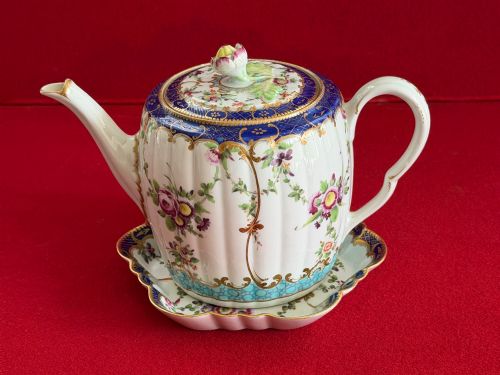
A floral ceramic barrel is a cylindrical ceramic vessel adorned with plant and flower motifs, taking forms such as biscuit barrels, garden seats, teapots, and mugs. These pieces originate from various eras including the Georgian period, the Victorian era, and the early twentieth century.
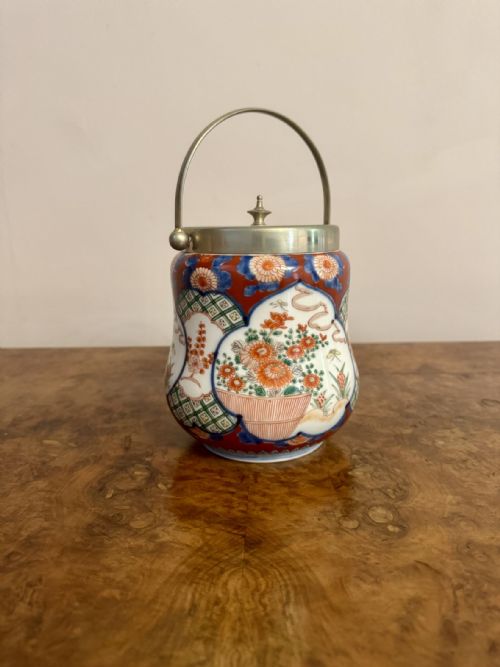
You are most likely to encounter Victorian biscuit barrels and Edwardian examples featuring glazed earthenware or porcelain bodies. These items often incorporate silver plate mounts and lids alongside their painted floral decoration.
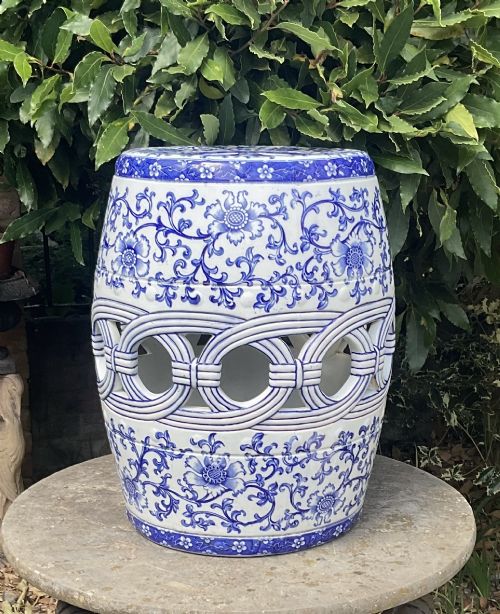
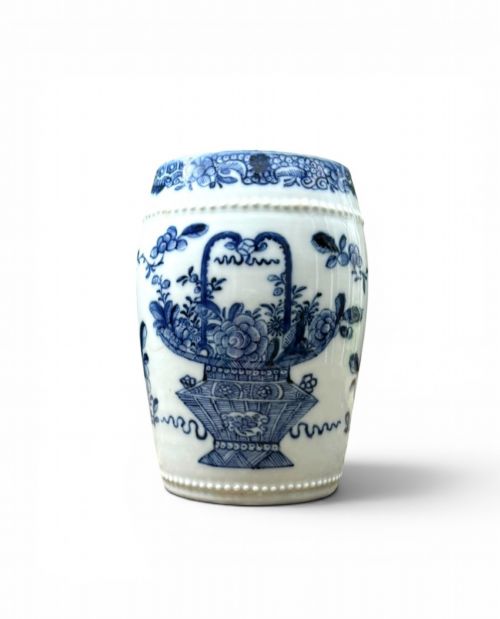
The category also encompasses larger garden seats and specialised vessels from Chinese export traditions and English potteries. Each variation reflects the prevailing aesthetic tastes of its specific period of production, from Chinoiserie influences to traditional floral patterns.
How they were made
Makers utilised ceramic materials such as porcelain, earthenware, and glazed earthenware, shaping them into distinctive cylindrical forms on the potter's wheel or in moulds. Cobalt underglaze and hand-painted enamels provided the colourful floral decoration seen across these objects.
Metal components like silver plate were frequently added to create functional rims, handles, and hinged lids, particularly on biscuit barrels. Some pieces received additional embellishment through careful gilding applied over the fired ceramic glaze.
Floral Ceramic Barrel Retail Price Guide 2026
Typical asking prices for floral ceramic barrel among the pieces listed under this phrase on Sellingantiques today, from the lower quarter to the upper quarter. They describe what is for sale here now, not the wider market.
Listings feature periods spanning the eighteenth century through to the Edwardian era, utilising materials such as porcelain, earthenware, and silver plate.
What varies in quality
The refinement of the ceramic body and the precision of the painted floral motifs dictate the upper tiers of quality. Finer examples display meticulous hand-painted detail and superior glaze application.
The integration of metalwork, including the weight and finish of silver plate mounts, separates standard production items from finer collaborative pieces between ceramic and metal artisans.
Minton·Crown Devon·Carlton Ware
The Floral Ceramic Barrel Glossary
- Biscuit barrel
- A covered ceramic container designed for holding dry biscuits or crackers at the dining table. They frequently feature decorative metal mounts and lids.
- Earthenware
- A porous pottery body fired at lower temperatures, requiring a vitreous glaze to hold liquids. It serves as the foundation for many decorated vessels.
- Silver plate
- A thin layer of silver fused to a base metal, commonly utilised for the rims, handles, and hardware of storage jars and biscuit barrels.
- Cobalt underglaze
- A blue pigment applied to the raw ceramic body before glazing and firing, capable of withstanding high kiln temperatures without fading.
- Flow blue
- A nineteenth-century printing technique where the cobalt blue ink intentionally blurred slightly during firing, creating a soft and hazy effect on the ceramic pattern.
Floral Ceramic Barrel: Frequently Asked Questions
What is a floral ceramic barrel used for?
These vessels were originally created for practical household storage, such as keeping biscuits dry on the dining table or serving liquids from specialised dispensers. Larger examples served as garden seats or decorative focal points in domestic interiors.
Today, they function primarily as decorative antiques that add historical character and colour to living spaces while retaining their traditional utility.
How do I date a ceramic barrel?
Dating relies on examining the ceramic paste, the style of the floral painting, and any associated metal mounts or hallmarks. Victorian and Edwardian pieces often show distinct manufacturing techniques compared to earlier Georgian or eighteenth-century examples.
Comparing the decorative motifs, such as flow blue transfer printing or hand-painted imari designs, helps place the object within its correct historical period.
Are these barrels made of porcelain or earthenware?
Makers utilised various ceramic materials depending on the period and origin, including fine porcelain, standard earthenware, and glazed earthenware. English potteries and Chinese export workshops each favoured specific clay bodies for their distinct aesthetic and functional properties.
The choice of material often influences the weight, translucency, and durability of the finished vessel.
How do I care for an antique ceramic barrel?
Antique ceramics require gentle handling, particularly pieces that combine delicate glazed surfaces with silver plate mounts. Dust them regularly with a soft, dry cloth and avoid harsh chemical cleaners that might damage the glaze or metal.
Keep them away from direct sunlight and extreme temperature fluctuations to preserve the integrity of the ceramic body and any applied gilding.