




Floral Carved Wall Glass
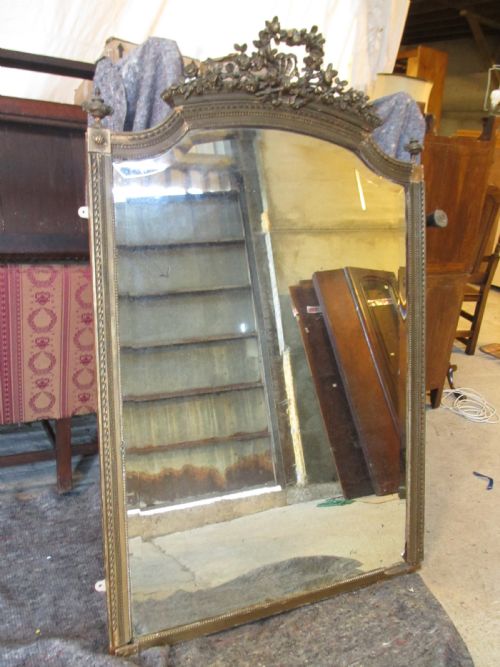
These floral carved wall glass pieces bring ornate wooden frames and reflective surfaces together to brighten period interiors.
Floral Carved Wall Glass
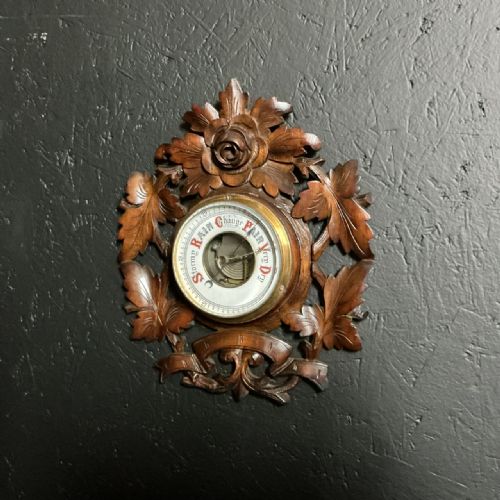
Floral carved wall glass encompasses wall mirrors, pier glasses, overmantel mirrors, and wall barometers spanning the seventeenth to the twentieth centuries. The pieces most commonly met on this page belong to the nineteenth century, alongside examples from the eighteenth and early twentieth centuries.
Makers and workshops across Britain, France, Italy, Venice, Holland, and Germany shaped these items in diverse regional vocabularies. Styles range from French and Italian Rococo to William and Mary, Venetian, Napoleon III, Black Forest, and Art Nouveau.
The primary forms serve both functional and decorative purposes within domestic interiors, hanging from walls or resting above mantelpieces. Walnut, oak, mahogany, and painted wood provide the structural base for intricate floral and foliate ornamentation.
Materials and construction
Craftsmen carved walnut, oak, mahogany, and other hardwoods directly to create the foundational frames and detailed floral motifs. Gesso and gold leaf were frequently applied over wooden substrates to achieve gilded surfaces on giltwood examples.
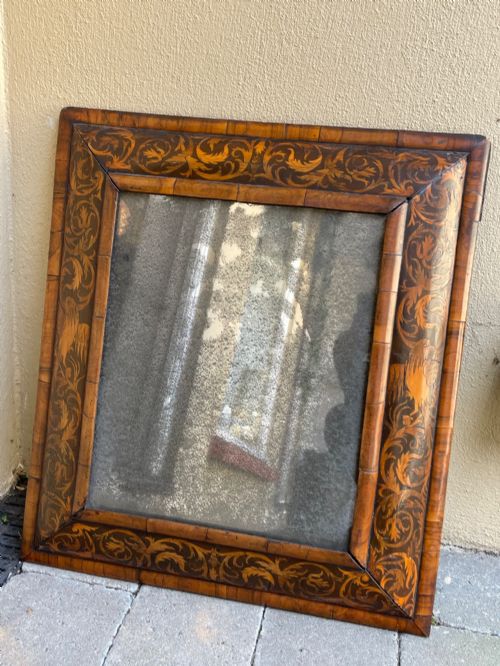
Glass plates were set into these carved housings, sometimes accompanied by reverse painting, etching, or inset hand-painted foliate panels. Marquetry inlay and paint added further surface decoration to walnut and softer wood bodies.
Floral Carved Wall Glass Retail Price Guide 2026
Typical asking prices for floral carved wall glass among the pieces listed under this phrase on Sellingantiques today, from the lower quarter to the upper quarter. They describe what is for sale here now, not the wider market.
Listings feature walnut, oak, mahogany, giltwood, gesso, and painted wood across periods spanning from 1700 to the Art Deco era.
Quality and execution
Depth and crispness of the hand-carved floral details distinguish finer examples from simpler production. The finesse of the gilding or paintwork, whether gold leaf or applied pigments, dictates the visual impact of the frame.
The integration of the glass plate within the wooden structure, alongside the preservation of original surfaces and panels, marks the distinction between standard and superior pieces.
The Floral Carved Wall Glass Glossary
- Giltwood
- Wood that has been coated with gold leaf or powder. This finish was widely utilised on ornate frames to reflect candlelight and daylight.
- Gesso
- A plaster mixture applied to wood frames as a smooth base for gilding or painting. It allows intricate relief work to be moulded before finishing.
- Pier glass
- A tall mirror designed to hang on the wall between windows. These pieces often feature painted or carved decorative elements.
- Overmantel mirror
- A large mirror intended for placement above a fireplace mantel. They frequently span wider proportions to suit chimney breasts.
- Marquetry
- The art of applying pieces of veneer to a structure to form decorative patterns. It appears on wooden frames of various periods.
Floral Carved Wall Glass: Frequently Asked Questions
How do I hang a heavy wall glass?
These mirrors and barometers often possess substantial wooden frames requiring secure wall fixings suited to the specific weight of the piece. Professional installation into solid masonry or direct wall studs ensures safety.
Distributing the load evenly across sturdy brackets prevents strain on antique joints and hanging loops.
Are the glass plates original?
Many pieces retain their original mirrored glass, which may exhibit minor foxing, spotting, or light surface wear accumulated over centuries. Replacement glass occurs when earlier plates suffered breakage or degradation.
Inspect the silvering and edges to understand the history and replacement status of the reflective plate.
How do I clean an antique frame?
Dust carved wooden and gilded surfaces gently with a soft, dry brush to avoid disturbing fragile gold leaf or gesso. Moisture and chemical cleaners damage historic finishes.
Consult a conservator if deeper cleaning is required on delicate painted or gilded elements.
What defines Rococo style frames?
Rococo frames feature asymmetrical scrolls, shell motifs, and naturalistic floral carvings that eschew rigid symmetry. This aesthetic flourished across eighteenth-century France, Italy, and Venice.
Later Victorian and nineteenth-century pieces frequently revived these flowing organic forms.