





Floral Art on Panel
Floral art on panel brings together painted boards and textile works, offering rich botanical detail for interior spaces.
Floral Art on Panel
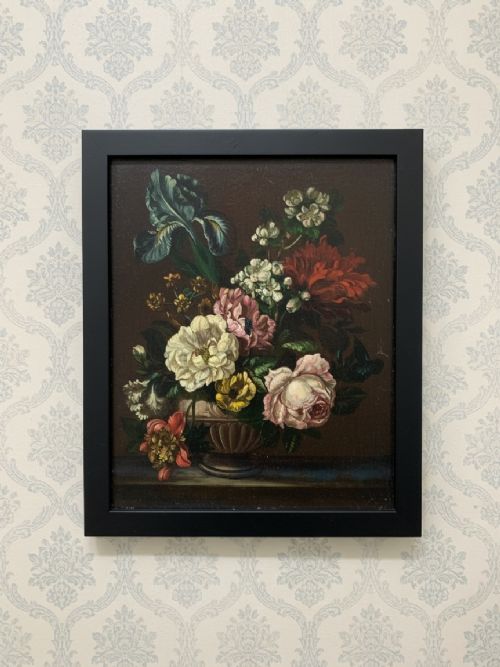
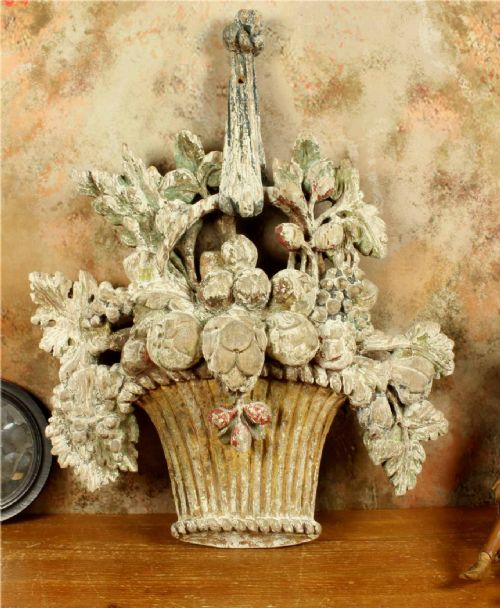
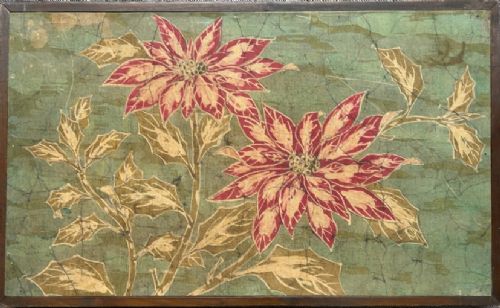
Floral art on panel encompasses framed paintings on wood, carved wooden reliefs, and textile panels depicting botanical motifs. These items originate from periods ranging from the sixteenth century through the mid-twentieth century, with notable representation from the eighteenth and nineteenth centuries.
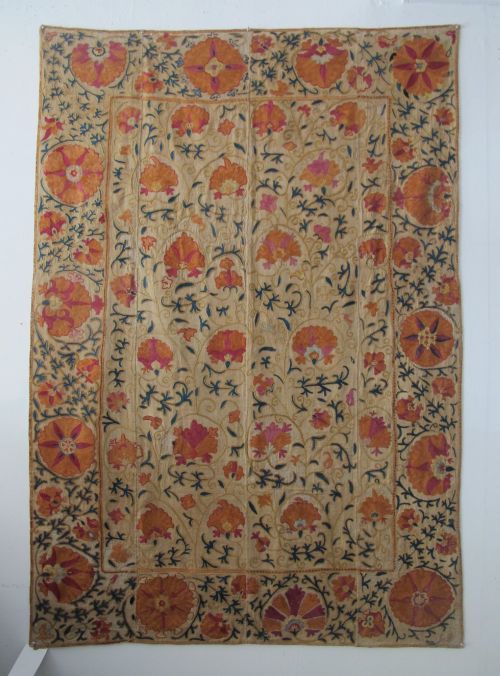
The form varies from Dutch oil paintings on oak panels and tempera works to silk embroideries, Suzanis, and carved temple panels. Buyers encounter diverse regional traditions, including English needlework pictures, Chinese decorative panels, and Central Asian textiles.
Wall art and framed textile pieces dominate the selection, offering structured formats designed for display. These objects bring historical craft techniques directly into domestic interiors through durable panels and stretched fabrics.
How they were made
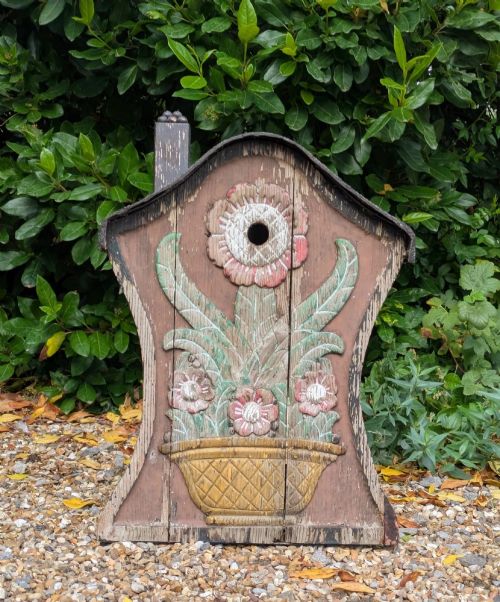
Makers utilised rigid supports such as oak and hardwood panels for paintings, applying oil paint and tempera directly to prepared wooden surfaces. Carved panels relied on detailed relief work in wood and gilt, shaping floral and botanical forms with precision tools.
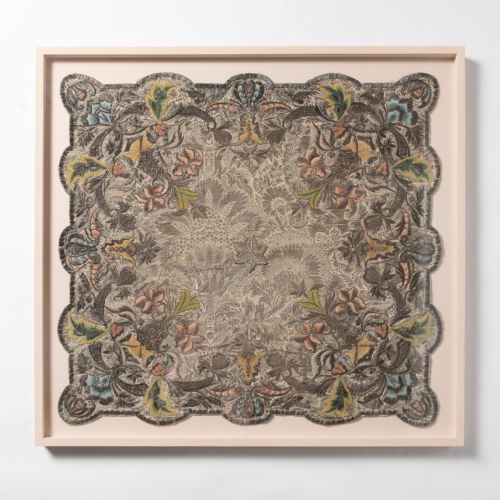
Textile panels combined silk, cotton, wool, and linen grounds worked with intricate needlework, embroidery, and batik techniques. Artisans also integrated lead and glass in specific architectural pieces, combining hand-painted floral elements with traditional glazing methods.
Floral Art on Panel Retail Price Guide 2026
Typical asking prices for floral art on panel among the pieces listed under this phrase on Sellingantiques today, from the lower quarter to the upper quarter. They describe what is for sale here now, not the wider market.
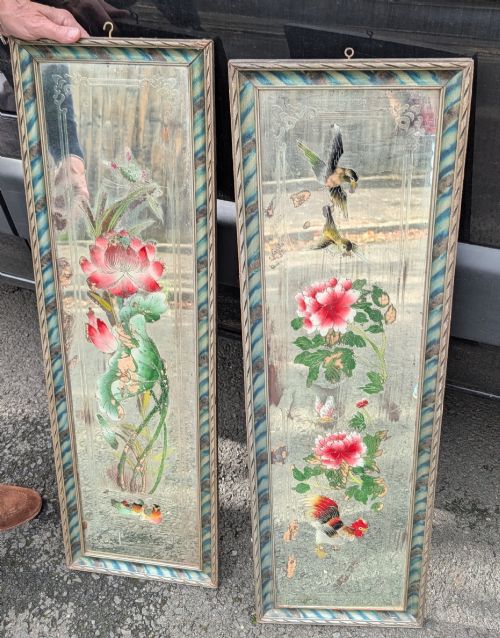
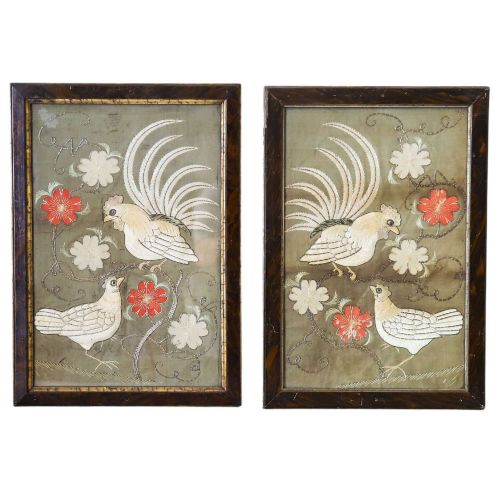
Several panels preserve surprisingly cheerful depictions of garden birds and mandarin ducks stitched by hands long forgotten.
What varies in quality
The execution of detail distinguishes finer examples, particularly in the rendering of botanical subjects and the precision of needlework stitches or wood carving. Superior pieces maintain crisp lines and well-preserved pigments or threads, showing minimal loss over centuries.
Material selection dictates the longevity and visual impact of the panel, with fine silk threads, dense cotton grounds, and stable seasoned oak providing superior structure. The integrity of the original ground or frame further influences the overall standard of the piece.
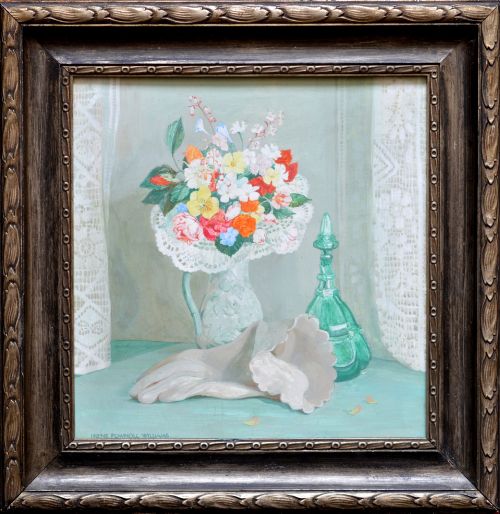
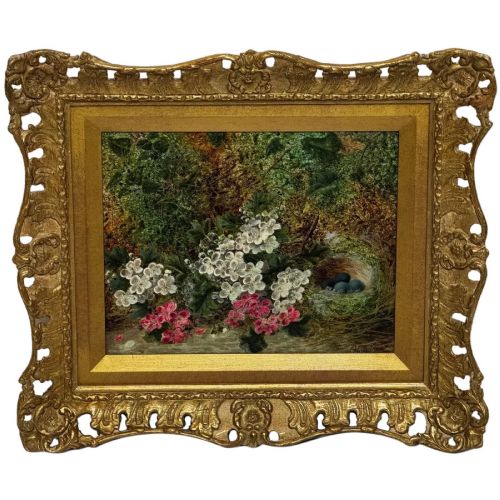
Oliver Clare·Irene Christobelle Pownoll Williams
The Floral Art on Panel Glossary
- Panel
- A flat piece of wood or other rigid material used as a support for paintings or carvings. Wooden panels provide a stable base for oil and tempera works.
- Suzani
- A type of embroidered tribal textile from Central Asia, typically featuring large floral designs on a cotton or silk ground. These heavy embroideries were traditionally made as part of a bride's dowry.
- Tempera
- A permanent, fast-drying painting medium consisting of coloured pigment mixed with a water-soluble binder medium. It creates a matte finish often seen on older board paintings.
- Needlework
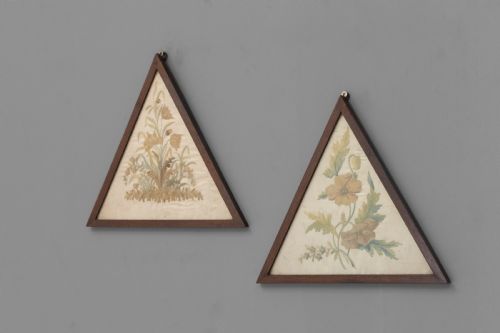
- Decorative sewing and textile arts created using a needle and thread on a canvas or fabric ground. Examples range from simple samplers to elaborate framed pictures.
- Carving
- The act of shaping wood or other materials by scraping away portions to create a three-dimensional design. Floral reliefs utilise this technique to project leaves and blossoms from the background.
Floral Art on Panel: Frequently Asked Questions
What is floral art on panel?
Floral art on panel covers decorated wooden boards and framed textiles featuring botanical imagery. These works include oil paintings, carved reliefs, and embroidered wall hangings.
Created across several centuries in Europe and Asia, these pieces combine natural subjects with traditional craft materials like silk, wood, and oil paint.
How should I hang these panels?
Most framed panels and textile art pieces arrive ready for standard wall mounting using appropriate picture hooks. Ensure the wall surface supports the weight of denser wooden or leaded glass items.
Keep textile panels and painted boards away from direct sunlight and damp environments to protect the organic materials and pigments over time.
How do I date a panel?
Dating relies on examining the material of the support, the preparation of the ground, and the style of the botanical artwork. Wood panels, framing methods, and textile weaves offer clues to the period of origin.
Comparative study of regional techniques, such as seventeenth-century tapestries or nineteenth-century needlework, helps establish a reliable timeframe.
Are these pieces painted on canvas?
The listings collected under this search use rigid wooden panels or fabric stretched over structured grounds rather than standard artist canvas. Boards made of oak or other hardwoods serve as the base for many paintings.
Textiles utilise cotton, silk, linen, or wool grounds, frequently mounted on firm backings to allow secure wall display.