







Floral Art on Metal
Floral art on metal brings together botanical motifs and durable media, capturing plant forms in copper, brass, and enamel.
Floral Art on Metal
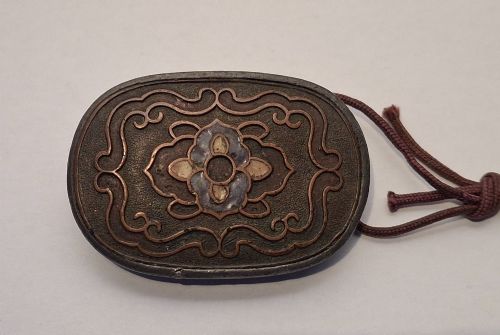
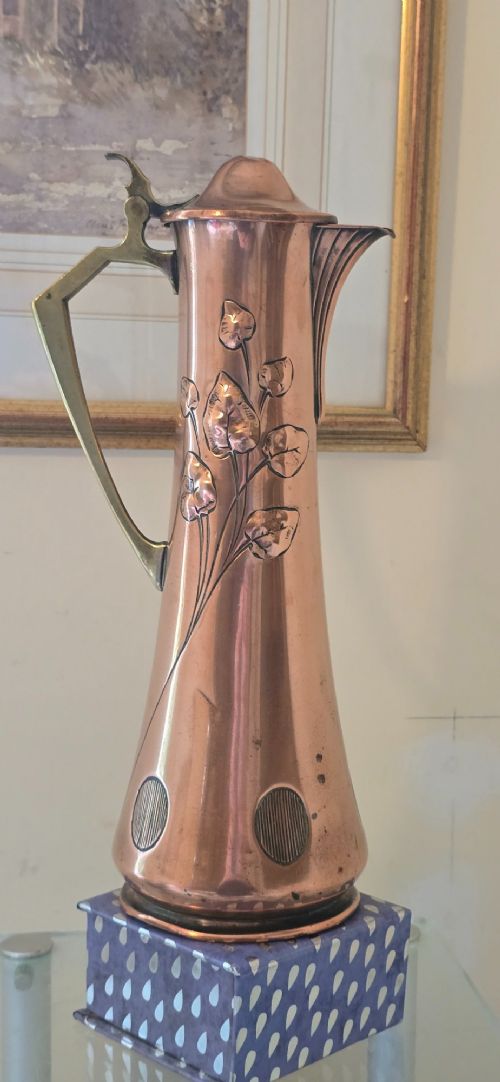
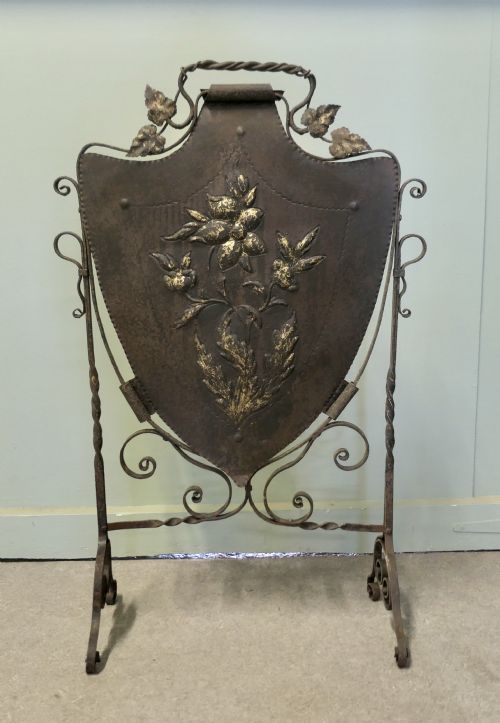
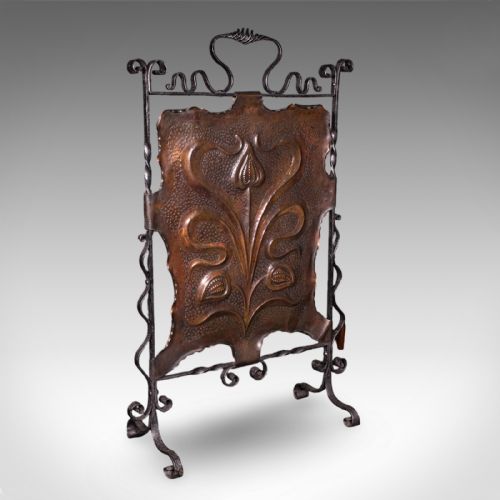
Floral art on metal encompasses a variety of decorative objects, from vessels and wall mirrors to fire screens and caskets produced across the nineteenth and twentieth centuries.
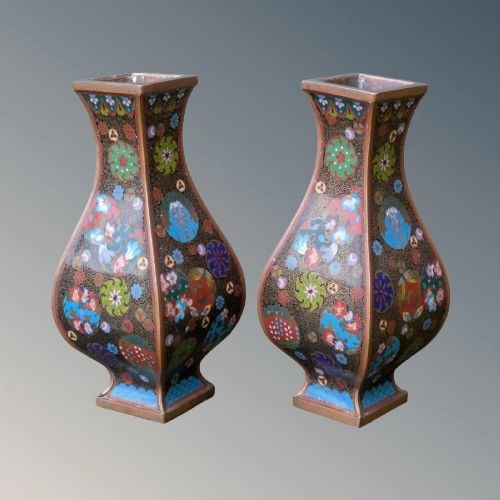
Vases, ewers, and decorative bowls dominate this selection, frequently embellished with botanical reliefs or intricate enamel depictions of flowers.
Makers from the Victorian, Edwardian, and Meiji periods applied plant motifs to media such as copper, brass, pewter, and bronze to achieve lasting decorative utility.
How they were made
Metals such as copper, brass, and pewter were shaped through hammering, casting, and repoussé work to create raised floral reliefs and smooth surfaces.
Enamelling techniques, including cloisonné, champlevé, and plique-à-jour, introduced vibrant colour by fusing glass pastes within wire cells or recessed metal partitions.
Gilding, silver plating, and patination finished many pieces, enhancing the contrast between the metallic body and the delicate floral design.
Floral Art on Metal Retail Price Guide 2026
Typical asking prices for floral art on metal among the pieces listed under this phrase on Sellingantiques today, from the lower quarter to the upper quarter. They describe what is for sale here now, not the wider market.
Some nineteenth-century metalworkers hid tiny floral signatures inside lidded ginger jars just to surprise observant handlers.
What varies in quality
The crispness of the floral relief and the precision of the metalwork distinguish standard production wares from finer workshop creations.
In enamelled pieces, the uniformity of the cell work and the depth of the colour application separate skilled craftsmanship from simpler output.
Joseph Sankey·Charles Korschann·Tamura Yukio·Orivit
The Floral Art on Metal Glossary
- Cloisonné enamel
- A metalwork technique where thin wire partitions are soldered to a base and filled with enamel paste before firing.
- Repoussé
- A metalworking method where the artisan hammers the metal from the reverse side to form a raised design on the front.
- Plique-a-jour
- An enamelling technique similar to cloisonné, but without a backing metal, allowing light to shine through the translucent glass.
- Champleve enamel
- A technique where troughs or cells are carved into the metal surface and filled with enamel prior to firing.
Floral Art on Metal: Frequently Asked Questions
What is floral art on metal?
These items comprise decorative and functional objects adorned with plant designs rendered in media like copper, brass, bronze, and enamel.
Originating largely from nineteenth and twentieth-century European and Japanese workshops, they combine metalcraft with botanical subjects.
How were metal vases decorated with flowers?
Artisans used hammering and casting to raise floral patterns directly from the metal body, or applied detailed enamel work.
Techniques like cloisonné placed coloured glass pastes into defined wire cells, creating permanent, vibrant botanical scenes.
Where should I place a metal fire screen?
Fire screens were traditionally positioned in front of hearths during warmer months to hide unlit grates and add decoration to the room.
Today, they function well as standalone decorative panels against living room walls or empty fireplaces.
How do I care for antique metalwork?
Dust surfaces gently with a soft, dry cloth to prevent the accumulation of dirt within recessed floral details and crevices.
Avoid chemical polishes that can strip away original patinas, protective platings, and delicate enamel work.