

Floral Art Oil
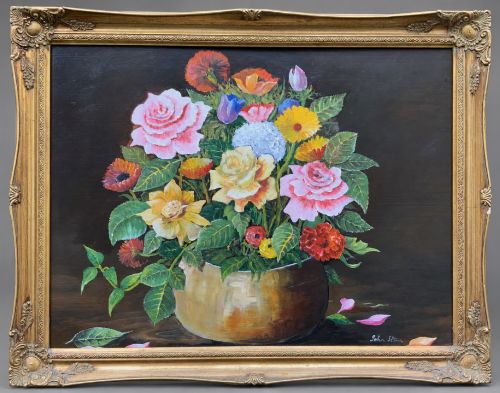
Floral art oil brings richness to a wall, offering painted arrangements of roses, carnations and hedgerow blooms that hold their colour across the decades.
Floral Art Oil
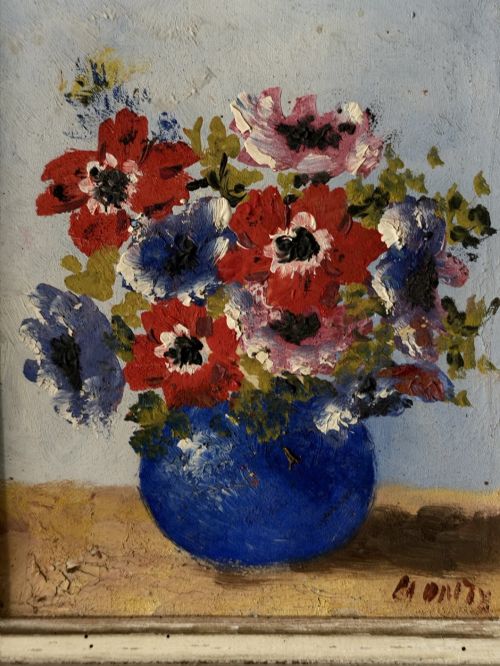
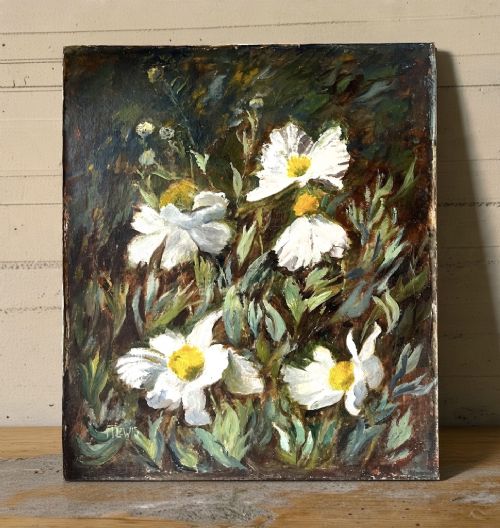
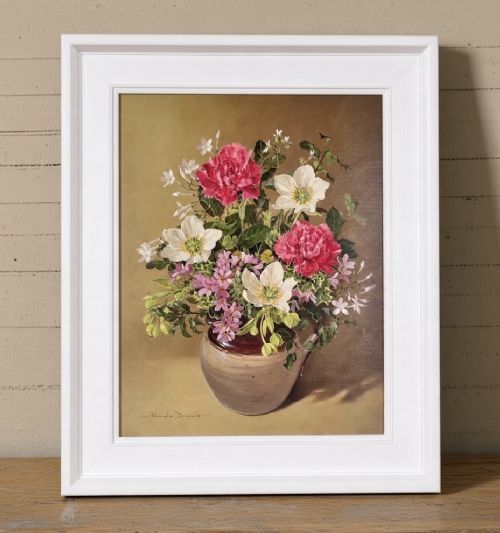
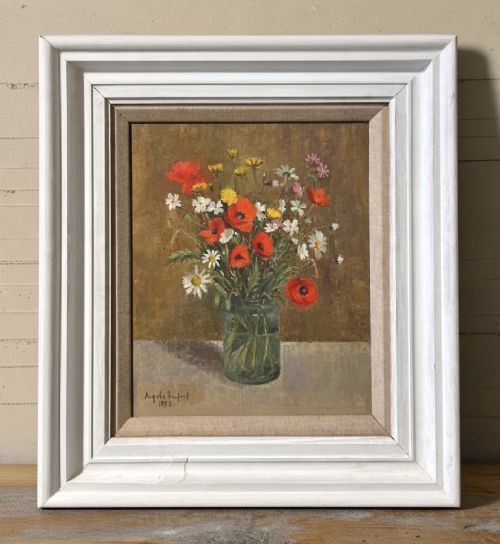
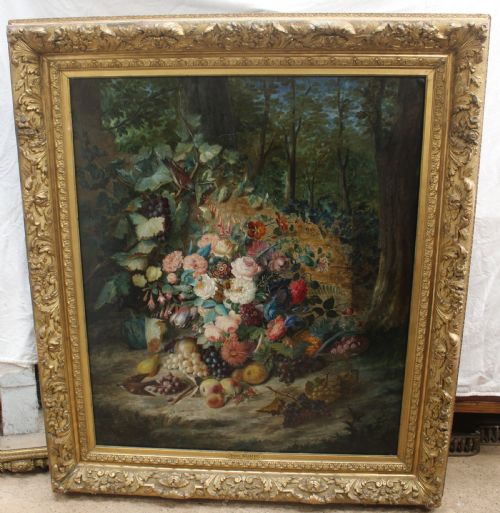
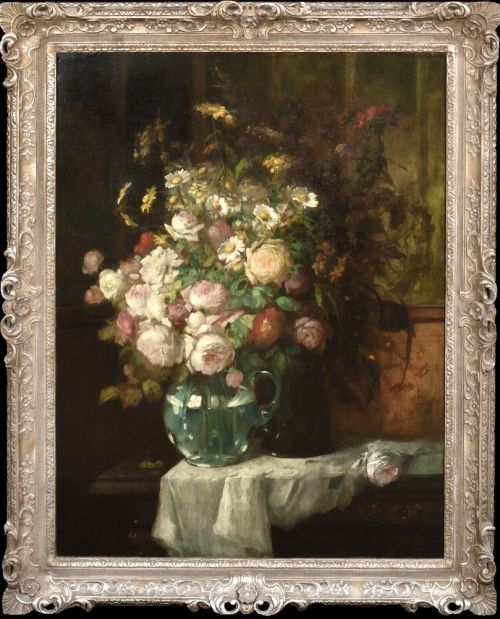
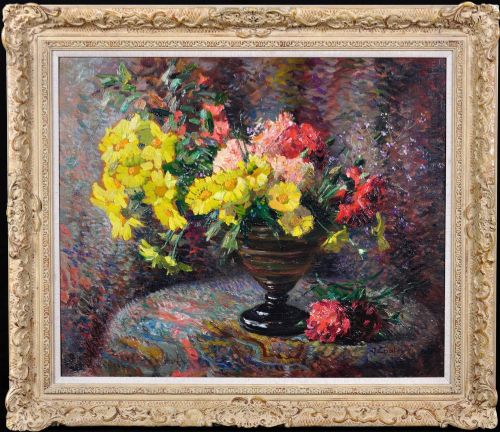
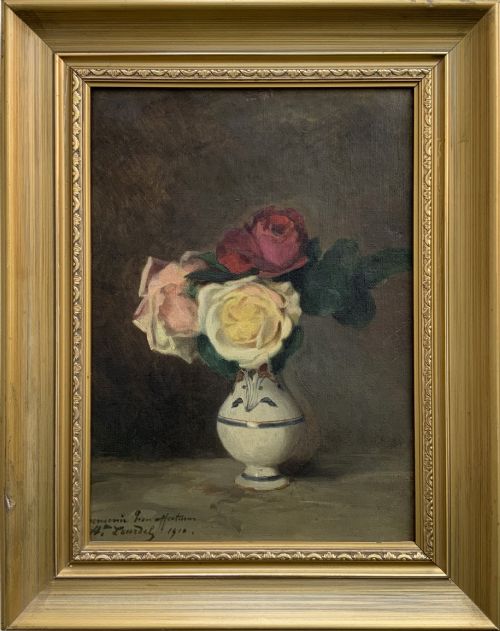
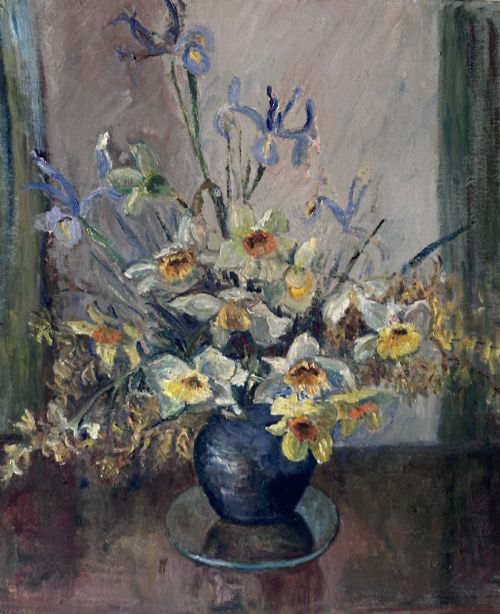
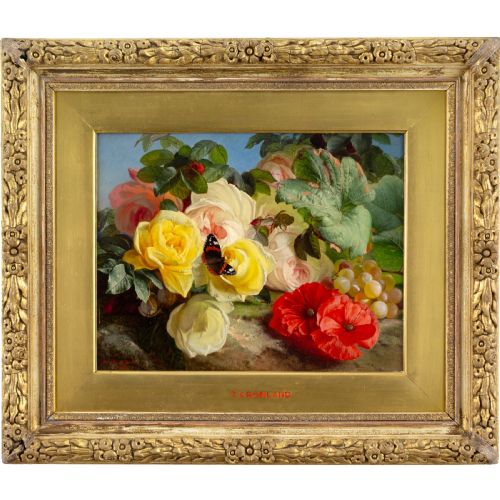
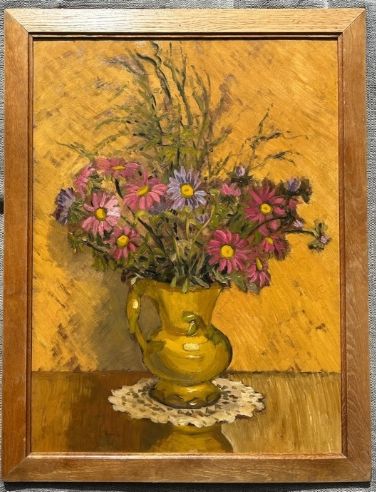
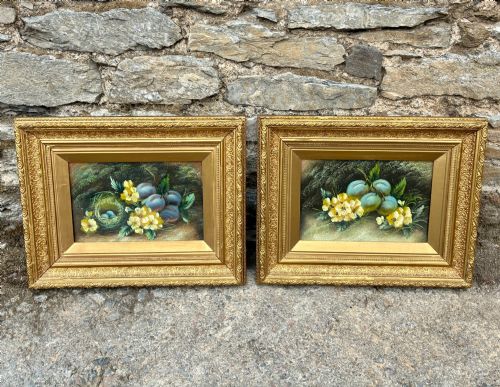
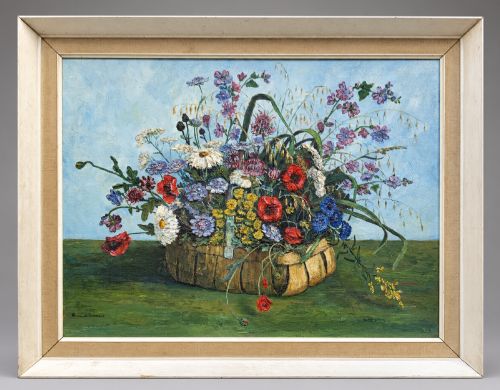
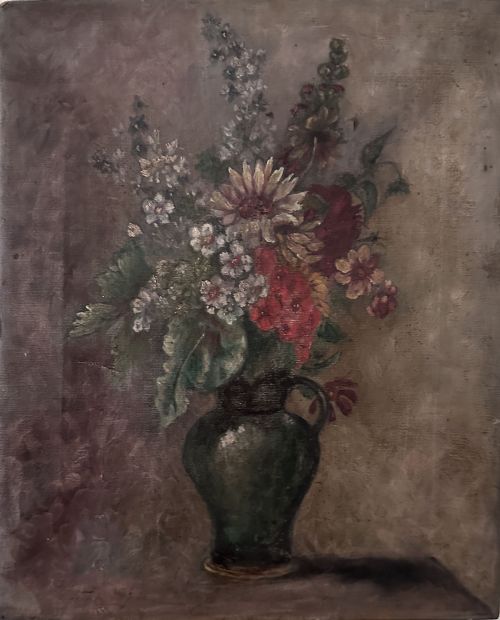
Floral art oil covers painted studies of blossoms, arrangements and still life compositions rendered in oil paint. These works span centuries, moving from Dutch Golden Age style compositions to Victorian naturalism and mid-century impressionism.
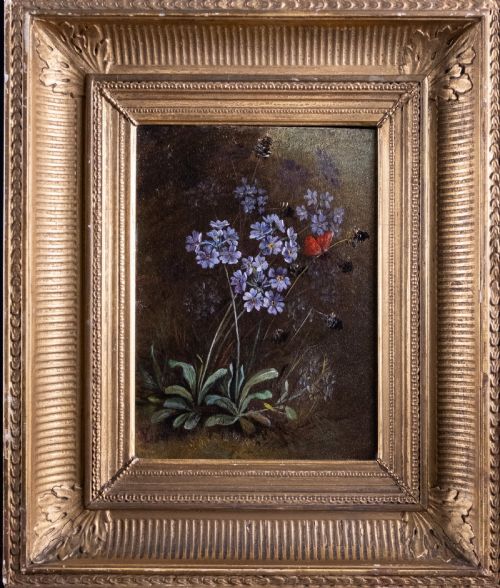
Buyers encounter everything from intimate cabinet pieces to large wall pieces depicting baskets of wild flowers, ceramic vases and banquet displays. The common thread is the pigment and medium, capturing petals and leaves through layered brushwork.
How they were made
Painters used oil paint applied to stretched canvas, wooden board or wood panel, sometimes building texture with heavier impasto. Ground layers of gesso often prepared the rigid supports, while canvases provided a flexible weave for looser, impressionist strokes.
Floral Art Oil Retail Price Guide 2026
Typical asking prices for floral art oil among the pieces listed under this phrase on Sellingantiques today, from the lower quarter to the upper quarter. They describe what is for sale here now, not the wider market.
Listings feature supports including canvas, wood panel and board, spanning periods from the seventeenth century to the mid-century era.
What varies in quality
Quality rests in the handling of light across petals and the structural drawing of stems, vessels and surrounding surfaces. A strong composition balances the weight of the blooms against the background, whereas weaker examples lack depth and spatial conviction.
The precision of brushwork and the harmony of the palette distinguish competent studio works from master studies. Original gilt frames in good preservation also elevate the standing of a painting.
Theude Grönland·Kenneth Cozens·Oliver Clare·Edward Ladell·Konstantin Stoitzner·Emma Fordyce MacRae·Gaspar Peeter Verbruggen·Edwin Steele·William Thomas Wood·Victor Simonin·Owen Bowen·Gertrude Hayes
The Floral Art Oil Glossary
- Oil paint
- A slow-drying paint made by combining pigments with a drying oil, typically linseed oil. This medium allows for rich blending and deep colour saturation.
- Gesso
- A paint mixture consisting of a neutral binder mixed with chalk, gypsum, and pigment, used to prepare wood panels or canvases for painting. It provides a smooth, stable ground for the oil layers.
- Impasto
- A technique where paint is laid on an area of the surface in very thick layers, usually thick enough that the brush or painting-knife strokes are visible. It adds tactile dimension to floral arrangements.
- Panel
- A flat piece of wood used as a support for a painting instead of canvas. Panels offer a rigid surface that resists the flexing common in fabric supports.
Floral Art Oil: Frequently Asked Questions
How should I clean an oil painting?
Dust the surface gently with a soft, dry brush to prevent particulate accumulation. Avoid using water, household cleaners or solvents.
Professional conservation is recommended for deeper cleaning or removal of aged varnish. Specialist restorers can safely address discolouration without disturbing the underlying pigment.
Are these paintings supplied with frames?
Many works retain their period frames, such as gilt gesso mouldings or wooden surrounds. These housings often date from the same era as the canvas.
Descriptions note whether a frame is original to the piece. Buyers should check individual listings to confirm framing details before purchase.
How do I date a floral oil painting?
Dating relies on stylistic clues, framing techniques, and the material of the support, such as canvas versus wood panel. Costume, interior elements or signatures can also point to a specific decade.
Comparative analysis with documented works by the same artist or school helps narrow the timeline. Period indicators on the reverse often provide additional chronological evidence.
Where should I hang floral art oil?
Display these works away from direct sunlight and excessive moisture to protect the canvas and oil pigments. Stable indoor environments prevent the wood and gesso from warping.
Choose wall spaces that offer eye-level viewing to appreciate the brushwork and texture. Adequate indirect lighting enhances the depth of the dark backgrounds typical of still life traditions.