


Floral Art Glass
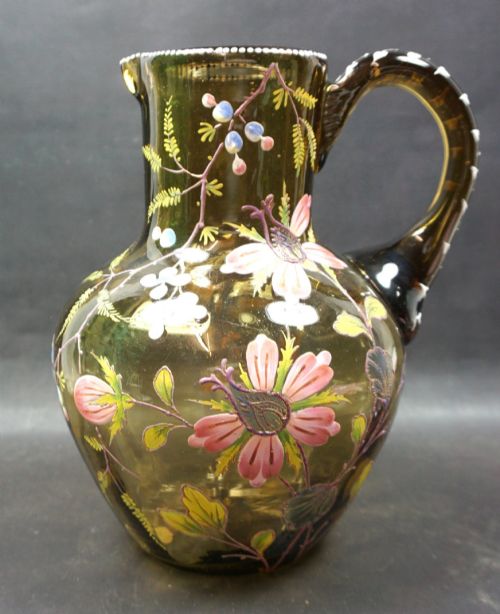
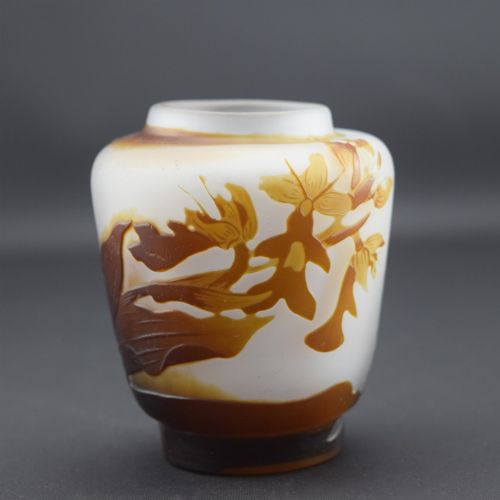
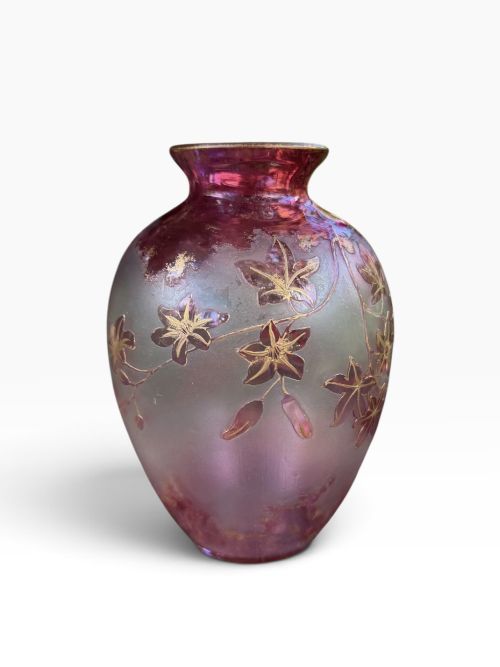
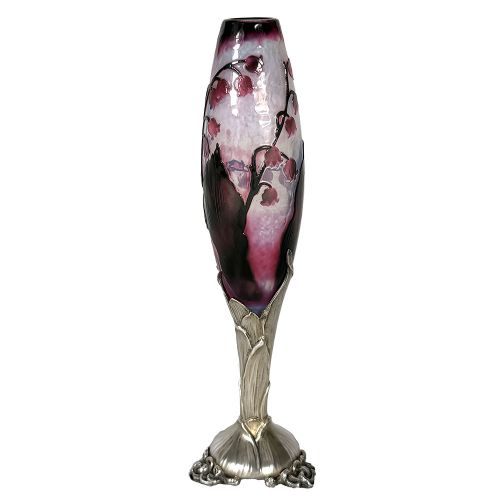
These floral art glass pieces bring botanical subjects into domestic interiors through diverse decorative techniques spanning multiple periods.
Floral Art Glass
When searching for floral art glass, buyers encounter a range of functional objects intended primarily for display and everyday utility. Vases, scent bottles, and drinking vessels form the core of these selections, alongside lighting and decorative jars.
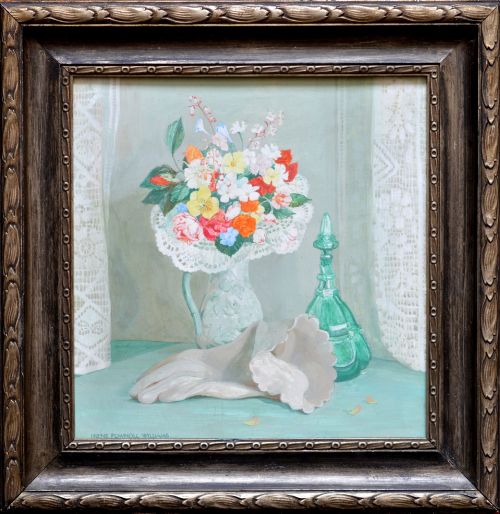
The objects span from the late nineteenth century into the mid-twentieth century, capturing the height of Art Nouveau and Art Deco design movements. Pieces originating from French and European makers predominate, showcasing botanical motifs such as lilies, poppies, and cornflowers.
Vases dominate the selection, appearing in various forms from small cabinet pieces to large floor-standing examples. Smaller items like perfume bottles and dram glasses bring similar decorative plant motifs to more intimate domestic spaces.
How they were made
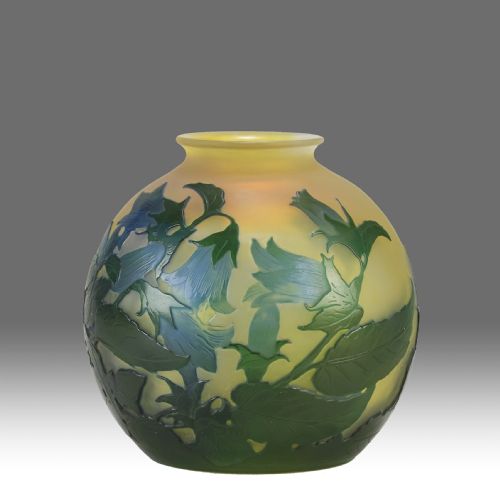
Makers utilised glass as the primary medium, shaping vessels through blowing and moulding techniques before applying further ornamentation. Acid-etching and wheel-carving allowed artisans to cut away layers of glass to reveal contrasting colours beneath, creating relief designs.
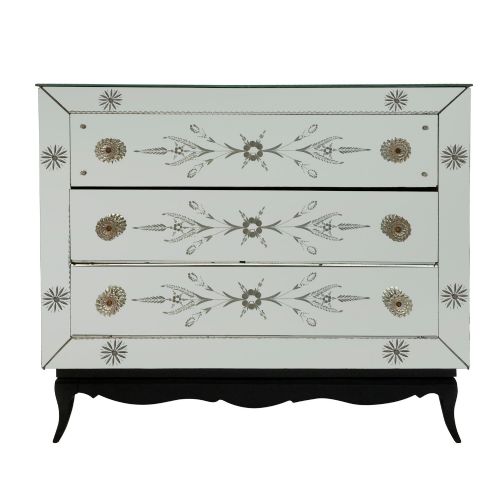
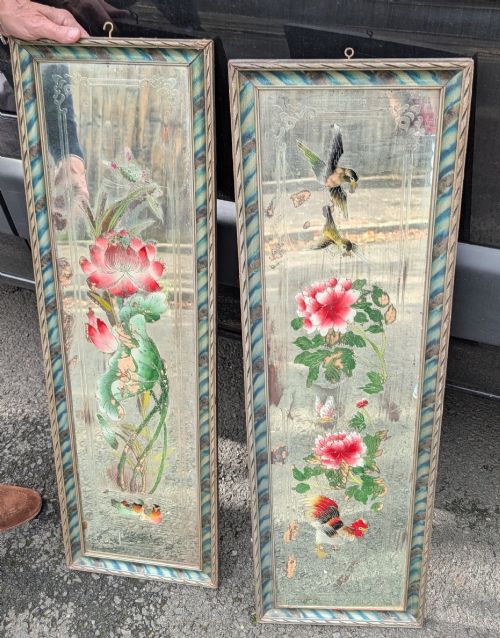
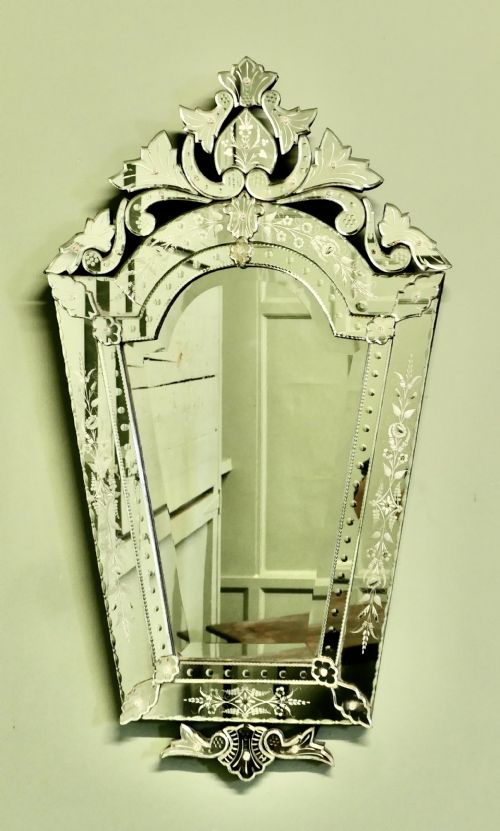
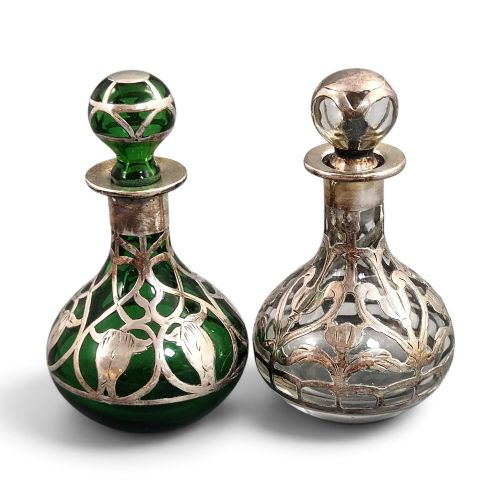
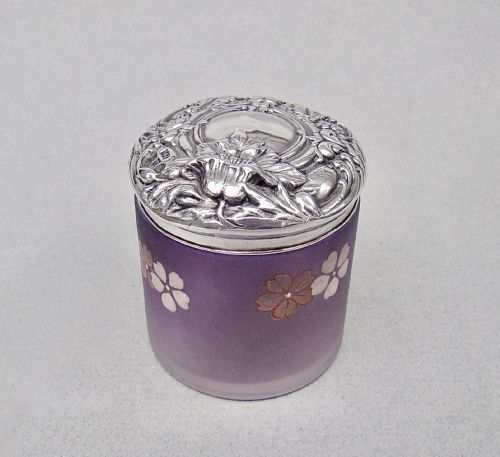
Surface decoration frequently involved enamel painting and gilding to add rich colour and metallic highlights to floral subjects. Silver mounts, sterling silver overlays, and brass fittings were added to selected glass bodies to provide structural mounts and contrasting borders.
Floral Art Glass Retail Price Guide 2026
Typical asking prices for floral art glass among the pieces listed under this phrase on Sellingantiques today, from the lower quarter to the upper quarter. They describe what is for sale here now, not the wider market.
Listings feature items from the Victorian, Edwardian, and mid-twentieth century periods, executed in glass, cameo glass, frosted glass, and enamel.
What varies in quality
The standard of execution in cameo and wheel-carved glass depends on the depth and precision of the carved botanical relief. Greater definition in petals and stems separates finer studio output from standard commercial production.
The integration of metal elements, such as silver overlays and mounts, influences the overall sophistication of an object. Well-balanced proportions between the glass body and applied metalwork indicate superior manufacturing standards.
Baccarat·Georg Adam Scheid·Daum·Argy Rousseau·Emile Gallé·Gorham·Thomas Webb and Sons·Daum Frères
The Floral Art Glass Glossary
- Cameo glass
- Glass formed with multiple layers of different colours, which are then carved or acid-etched to create a raised design. This technique requires considerable skill to achieve subtle colour transitions across floral motifs.
- Acid-etched glass
- Glass treated with hydrofluoric acid to eat away exposed surfaces and produce a textured or patterned design. It permits precise replication of intricate botanical details.
- Pate de verre
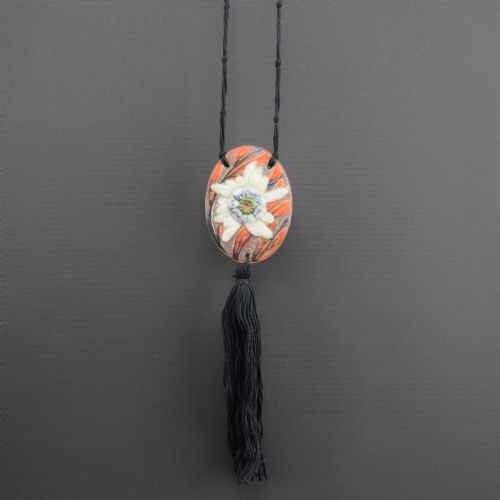
- A glass-casting method where crushed glass is mixed with a binder and fired in a mould to create objects with a dense, sugary texture. The resulting pieces display mottled translucent colours well suited to natural subjects.
- Silver overlay
- Sterling silver applied directly to the exterior of a glass object in decorative patterns. The metal is bonded to the glass surface, often depicting winding floral stems.
- Phänomen glass
- An iridescent glass type characterised by combed or threaded surface patterns created while the material remains hot. It produces fluid, organic effects popular during the Art Nouveau period.
Floral Art Glass: Frequently Asked Questions
What periods do these pieces date from?
The items span from the late nineteenth century through the Edwardian era and into the Art Deco period of the nineteen-thirties.
Most examples concentrate around nineteen-hundred, capturing the peak years of Art Nouveau glass production across Europe.
How should I display these glass items?
Vases and scent bottles benefit from placement near natural light sources to illuminate the coloured layers and cameo carving.
Display cabinets with glass shelves allow adequate illumination around smaller vessels and glassware sets.
Are these objects signed by makers?
Many studio pieces feature etched or enamelled signatures on the base or lower body from the producing house or artist.
Unsigned examples still attribute securely to specific workshops through distinctive techniques, colour palettes, and floral motifs.
How do I care for silver-mounted glass?
Silver overlays and mounts require gentle cleaning with appropriate metal polish applied carefully to avoid contact with the glass surface.
Normal dusting and occasional washing in lukewarm water maintain the condition of both the glass and metal components.