

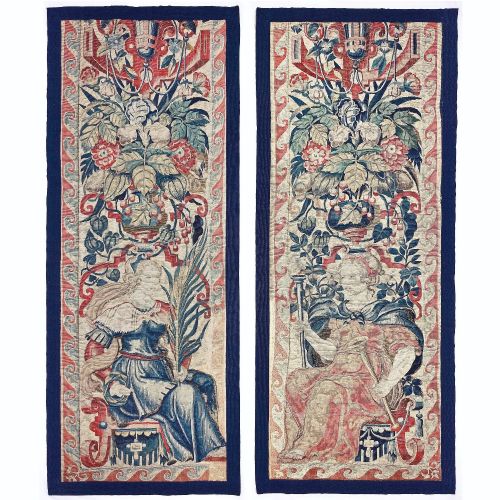
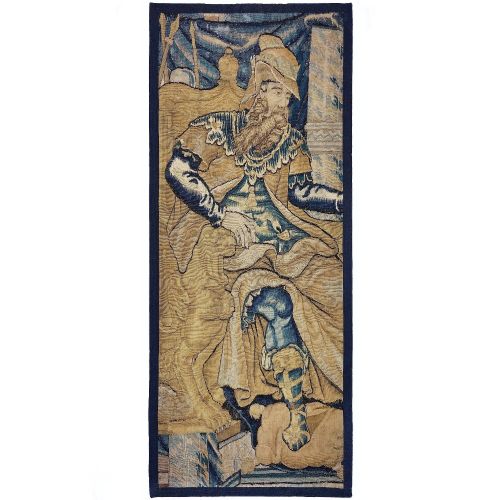
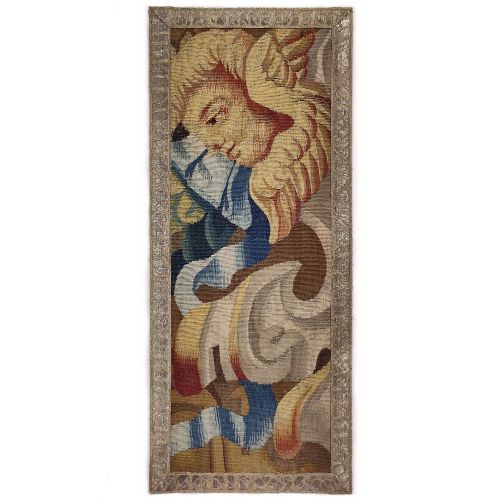
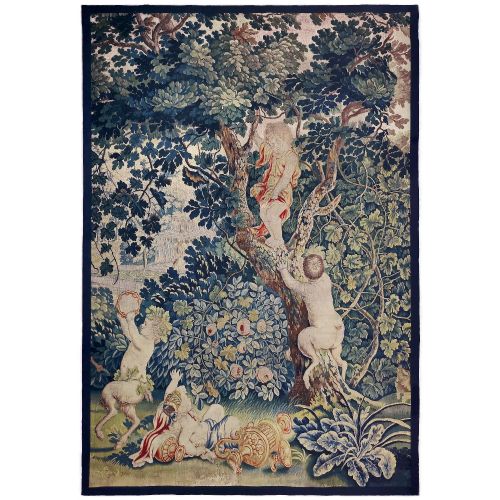

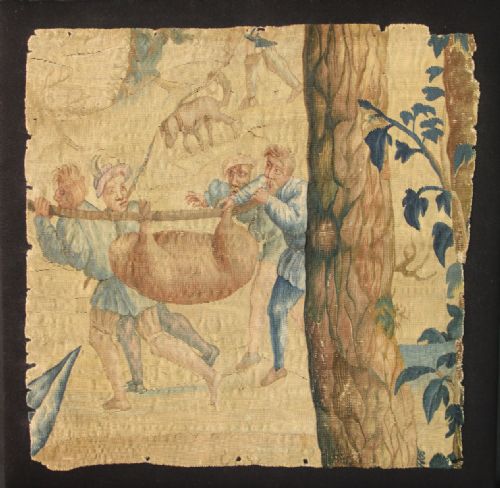


Flemish Woven Tapestry
These flemish woven tapestry pieces bring seventeenth and eighteenth century textile art into interiors as large wall hangings, panels, and folding screens.
Flemish Woven Tapestry
When you search for flemish woven tapestry, you encounter heavy textile art originating from the sixteenth, seventeenth, and eighteenth centuries. These works include large wall hangings, narrow borders, cushion covers, and folding screens.
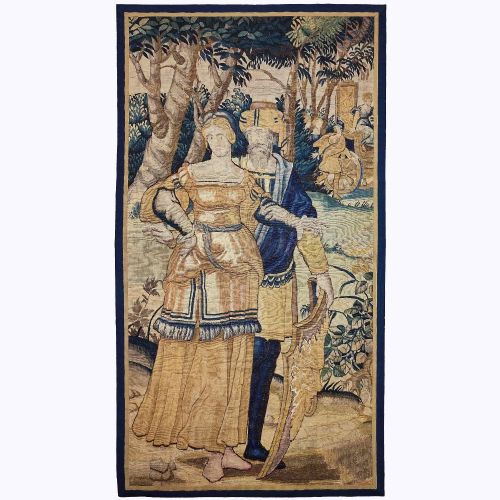
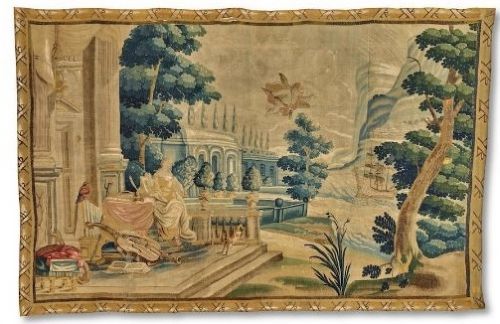
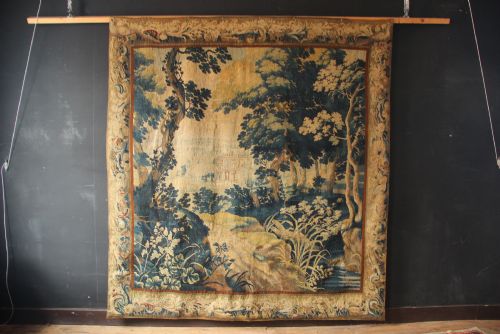
The most common form on this page is the verdure tapestry, which depicts dense foliage, trees, birds, and game parks. Mythological scenes and figurative panels also appear from sixteenth century and seventeenth century workshops.
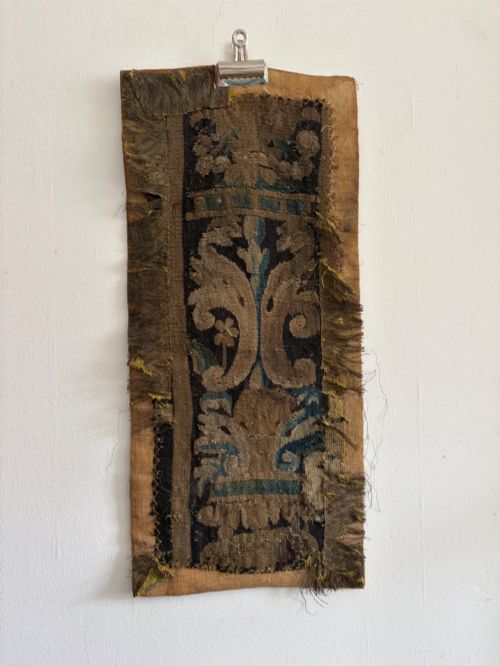
Makers in centres such as Audenarde and Brussels produced these works using traditional weaving techniques. Surviving examples range from grand scale wall tapestries to small fragments mounted on linen.
How they were made
Weavers constructed these textiles using a combination of wool, silk, and linen yarns on wooden looms. Silk threads provided finer detail and highlights within the foliage and figures, while wool and linen formed the heavier structural warp and weft.
Folding screens incorporate supplementary materials such as wood and brass alongside the textile panels. Border fragments often receive modern conservation support by being mounted directly onto linen for stability.
Flemish Woven Tapestry Retail Price Guide 2026
Typical asking prices for flemish woven tapestry among the pieces listed under this phrase on Sellingantiques today, from the lower quarter to the upper quarter. They describe what is for sale here now, not the wider market.
Listings feature works spanning the sixteenth, seventeenth, and eighteenth centuries, incorporating materials such as wool, silk, linen, wood, and brass.
What varies in quality
Scale and narrative complexity set grand mythological pieces apart from smaller verdure panels or border fragments. The density of the weaving and the inclusion of silk threads determine the fineness of the surface detail.
Completeness alters the character of each piece, distinguishing intact wall hangings from cut fragments, cushion covers, and composite pairs.
The Flemish Woven Tapestry Glossary
- Verdure
- A tapestry style dominated by botanical motifs, trees, foliage, and landscapes. These pieces frequently feature birds or game parks hidden among the leaves.
- Warp
- The vertical threads held in tension on a loom before weaving begins. In these historic textiles, warp threads are typically composed of sturdy wool or linen.
- Weft
- The horizontal threads passed through the warp to create the visible design. Weavers utilised dyed wool and silk for these transverse threads.
- Fragment
- A surviving portion of a larger textile work. Fragments often consist of cut border sections or cropped scenic panels.
- Panel
- A distinct section of a larger wall hanging or an independent textile artwork. Panels display unified pictorial or botanical compositions.
Flemish Woven Tapestry: Frequently Asked Questions
How do I hang a large flemish woven tapestry?
Large wall hangings require even weight distribution across the upper edge to prevent distortion of the historic weave. Traditional methods involve sewing a sturdy canvas sleeve to the reverse and sliding a flat wooden batten through it.
Keep these textiles away from direct sunlight and damp walls to preserve the wool and silk fibres. Professional conservation mounting onto linen provides additional support for fragile or fragmented pieces.
What is a verdure tapestry?
A verdure tapestry depicts a lush landscape filled with stylized trees, foliage, plants, and often birds or animals. These forest scenes were immensely popular across seventeenth and eighteenth century Flemish workshops.
They function visually as indoor woodlands, bringing natural motifs into domestic rooms. Examples range from expansive wall pieces to mounted fragments and folding screens.
How are sixteenth century pieces different from eighteenth century ones?
Sixteenth century works often feature figurative and mythological narratives woven with dense detail. They reflect the Renaissance aesthetic of dramatic storytelling through complex human and architectural forms.
Eighteenth century pieces lean heavily toward verdure landscapes and pastoral game park scenes. The focus shifts from grand historical drama toward botanical abundance and atmospheric garden views.
Can I use a tapestry cushion cover daily?
Historic cushion covers require gentle handling due to their age and delicate textile construction. Silk and wool yarns from the seventeenth century are vulnerable to abrasion from frequent friction.
Display them primarily for decorative purposes on armchairs or beds rather than heavy seating use. Rotate and air them periodically to maintain the condition of the fabric.