

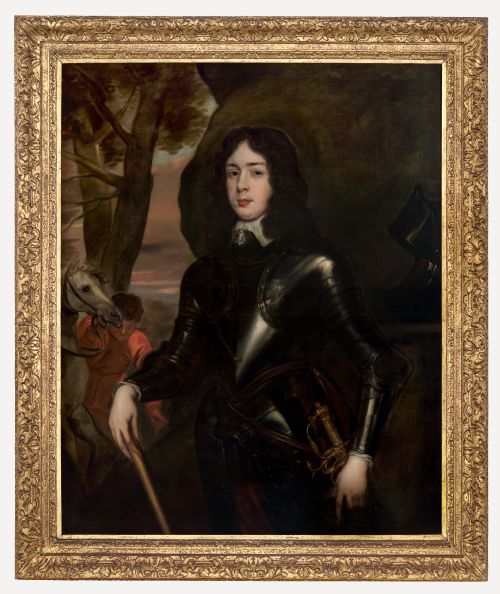


Flemish Style Portrait
These flemish style portrait works bring the rich presence of seventeenth-century courtly life and tavern scenes directly into a room.
Flemish Style Portrait
A flemish style portrait captures the distinct gravity and rich textures of Northern European painting, drawing heavily on seventeenth-century traditions. Buyers encounter everything from formal depictions of royalists in armour to spirited tavern scenes executed in oil on canvas.
The selections span significant historical periods, running from seventeenth-century originals and followers up to nineteenth-century revivals and later interpretations. Alongside classic canvas works, the listings occasionally include related forms such as carved oak dining chairs from the early twentieth century.
Subjects range widely across social strata, depicting gentlemen in red robes, musicians, and figures drawn from mythology or genre scenes. These paintings connect directly to the aesthetic idioms established by major historical workshops and their subsequent followers.
What varies in quality
Quality rests in the handling of light, shadow, and facial expression, distinguishing a lively studio production or skilled follower from a stiffer later copy. The nuance found in the rendering of armour, fabrics, and background details marks the distinction.
The integrity of the canvas, the stability of the oil paint layers, and the preservation of the original or period frame heavily influence the standing of any given piece. Stronger works maintain their depth of tone and atmospheric clarity across centuries.
The inventory bridges multiple schools, including the Dutch Golden Age, Flemish Baroque, and Northern Renaissance Revival.
Sir Anthony van Dyck·David Teniers The Younger·Joachim Bueckelaer·Peter Paul Rubens·Ludolf de Jongh·Bartholomeus Van der Helst
The Flemish Style Portrait Glossary
- Oil on canvas
- A painting medium where pigments suspended in drying oils are applied to a woven fabric support. This combination allows for rich colour blending and subtle tonal gradations.
- Flemish Baroque
- A style of painting flourishing in Flanders during the seventeenth century, characterised by dynamism, exuberant colour, and dramatic lighting. It follows closely from the innovations of artists like Rubens and van Dyck.
- Dutch Golden Age
- A period in Dutch history spanning the seventeenth century wherein painting reached extraordinary heights of realism, genre scenes, and portraiture. Artists of this era mastered subtle domestic interiors and individual character studies.
- Giltwood
- Wood that has been treated with a thin layer of gold leaf or gold paint. This finish frequently adorns period frames to enhance the visual weight of the artwork within.
- Genre painting
- The pictorial representation of scenes from everyday life, involving ordinary people engaged in common activities. Such works often depict tavern interiors or village gatherings.
Flemish Style Portrait: Frequently Asked Questions
Are these works actual seventeenth-century originals?
The selection includes genuine seventeenth-century pieces alongside nineteenth-century revivals created in the historical manner. Each listing specifies the period or school associated with the work.
Buyers should examine the specific attribution notes to understand whether a piece originates from the period or follows a historical master.
What is an Anglo-Flemish attribution?
This term indicates an artistic exchange or production involving both English and Flemish influences, common during periods of courtly patronage. Such works often reflect the stylistic weight of painters active in Britain and Flanders.
They carry the formal composition typical of court portraiture combined with Northern European techniques.
How should I care for an antique oil painting?
Keep oil paintings away from direct sunlight and dramatic fluctuations in temperature or humidity to protect the canvas and paint layers. Gentle dusting with a soft, dry brush is generally sufficient for surface maintenance.
Avoid using liquid cleaners or attempting restoration without professional guidance.
What subjects are most common in this style?
Portraits of officers in armour, gentlemen in formal robes, and musicians dominate the figurative works. Genre scenes featuring tavern interiors and mythological narratives also appear frequently.
These subjects reflect the core interests of Flemish and Dutch workshops across multiple centuries.