





Flat Top Chest
These flat top chest examples span robust travel trunks to low painted coffers, prized for surface character and storage utility.
Flat Top Chest
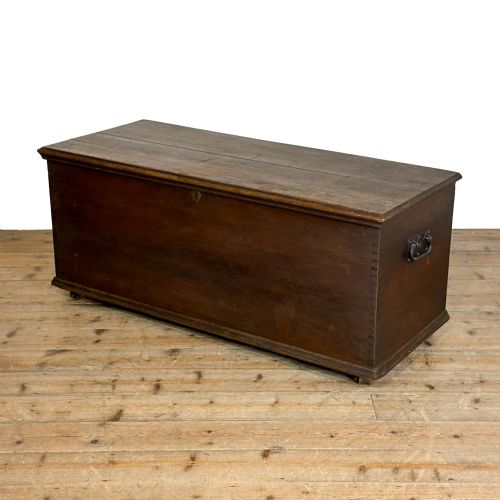
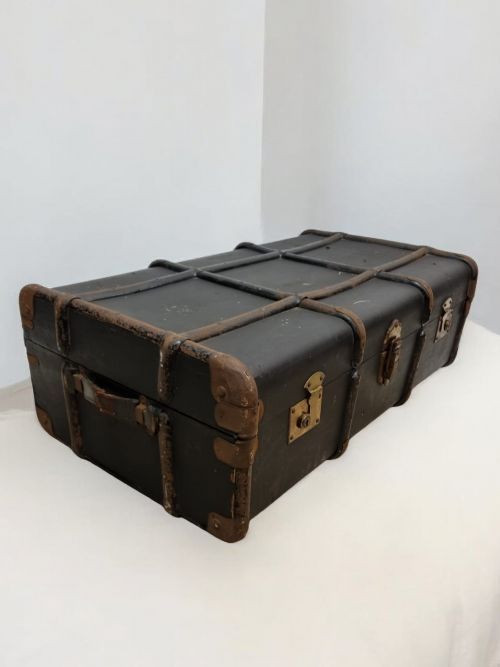
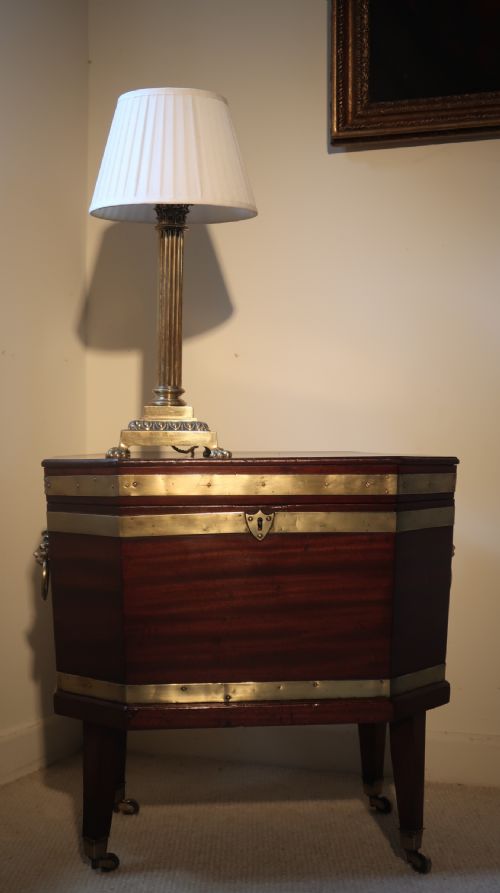
A flat top chest on this page usually takes the form of a travel trunk, blanket box, or low coffee table configuration. These pieces range from 18th century wine coolers to Edwardian and Art Deco maritime luggage, with pine and various woods forming the primary carcasses.
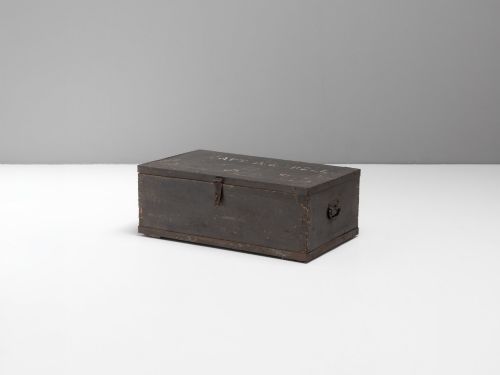
Buyers seeking a flat top chest will most frequently encounter late Victorian and early 20th century pine travelling trunks alongside mid 19th century Scandinavian painted examples. These utilitarian forms transition easily into contemporary interiors as functional storage or low tables.
Origin and period dictate the character of each flat top chest, moving from 18th century George III octagonal wine coolers to robust 1930s steamer trunks. The selection bridges maritime heritage and rustic country utility with straightforward domestic practicality.
How They Were Made
Construction relies heavily on timber carcasses of pine, elm, and diverse woods, joined for durability during travel and domestic use. Surfaces often receive coats of paint or wax, preserving the underlying grain while offering protection against wear.
Hardware plays a structural and decorative role, incorporating brass, iron, and metal fittings alongside canvas and leather reinforcements. Specialised travel trunks feature fitted interiors and original hardware designed to withstand rigorous journeys.
Flat Top Chest Retail Price Guide 2026
Typical asking prices for flat top chest among the pieces listed under this phrase on Sellingantiques today, from the lower quarter to the upper quarter. They describe what is for sale here now, not the wider market.
Some trunks have travelled further than their owners ever did, carrying quarter-century anniversary stamps across stormy seas.
What Varies in Quality
Quality rests in the integrity of the original hardware, the preservation of painted or waxed surfaces, and the survival of internal fittings. Trunks retaining complete brass locks, leather handles, and canvas coverings demonstrate superior survival through active service.
The sophistication of the joinery and the selection of timber separate standard utility boxes from finer examples such as George III wine coolers or branded Parisian luggage. Untouched patination and unaltered surfaces elevate the standing of any piece within this range.
Louis Vuitton·Aux Etats Unis
The Flat Top Chest Glossary
- Steamer trunk
- A low profile luggage chest designed to fit beneath passenger ship berths during transatlantic crossings. These pieces typically feature flat tops and reinforced wooden slats.
- Coffer
- A heavy wooden box traditionally used for storing valuables or textiles. They often display robust construction with iron or brass mounts.
- Cellarette
- A lockable container used for storing wine bottles near the dining table. 18th century examples often adopt formal architectural shapes.
- Travelling trunk
- A durable piece of luggage constructed for transit by rail or sea. They incorporate materials like canvas, leather, and metal hardware for added protection.
- Patina
- The surface texture and coloration developed by wood, paint, and metal through age and handling. This quality reflects the history of active use.
Flat Top Chest: Frequently Asked Questions
What is a flat top chest?
A flat top chest is a rigid storage container featuring a level lid, encompassing travel trunks, sea chests, and blanket boxes. These items were built to contain clothing or goods during transit and domestic storage.
Over time, many of these robust utility boxes have transitioned into living spaces as coffee tables or accent furniture. Their flat surfaces make them practical for everyday display while offering internal capacity.
How do I date a trunk?
Dating relies on examining the construction methods, materials, and hardware styles present on the piece. Pine, elm, and iron fittings often point towards specific nineteenth or early twentieth century manufacturing traditions.
Makers' stamps, brass locks, and canvas coverings also provide clear chronological markers. Comparing these details against known period examples helps establish an approximate decade of production.
Can I use a trunk as a coffee table?
Using a flat top chest as a coffee table is a common and practical way to incorporate antique luggage into a modern room. Their level lids provide a stable surface for books and objects while concealing clutter inside.
Low proportions found on specific Victorian and Edwardian boxes suit seating heights particularly well. Ensuring the surface finish is sealed protects the timber from daily domestic use.
What materials were used?
Construction materials primarily include solid woods like pine and elm, complemented by iron, brass, and metal hardware. External surfaces are frequently wrapped in canvas or leather, and finished with paint or wax.
These durable materials were selected to withstand the rigours of travel by sea and rail. The combination of timber and metal creates the distinct utilitarian aesthetic associated with these chests.